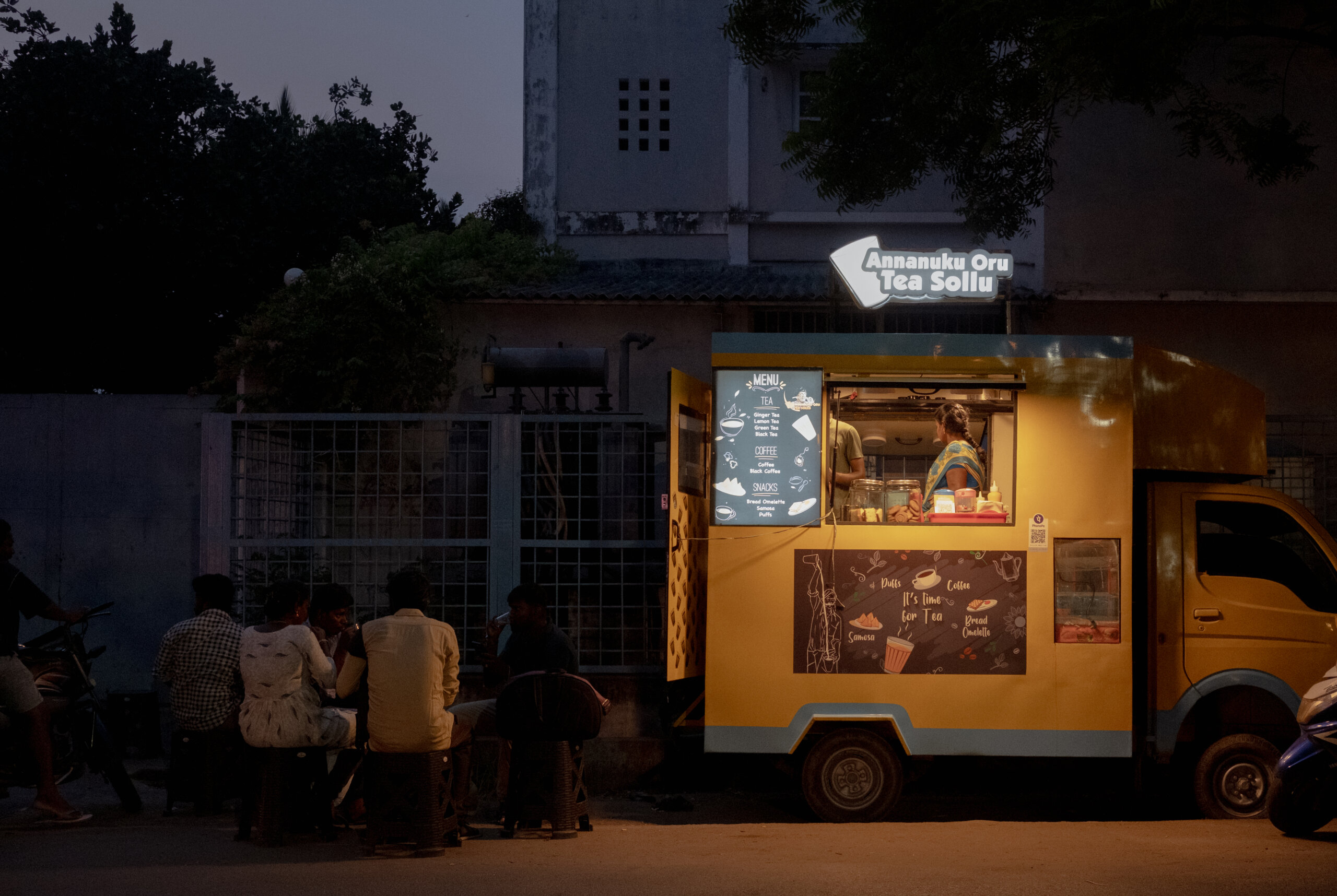
Pondicherry used to have my heart. A visit almost every year for five years, to the seaside union territory to dive deeper into its nuances, its people, its multi-facetedness that draws visitors in from all over the country and the world—that’s how I’d spend at least a week each July. I would look forward to walking through the French Colony to take in colonial buildings’ facades and visually document the purposefully planted flora, drinking in the traditional pillars and courtyards in the Tamil Quarter, people watching—the ones who arrive for beauty and the ones who arrive for the Ashram’s peace—for hours, staying in heritage properties for the stories and the snob, and looking for the best place to grab a hot chocolate to dip my flaky, buttery croissant in.
I yearn to revisit. So strong was my affinity for Puducherry that I considered moving there and taking root. Alas, this wasn’t meant to be; turns out I took my safety for granted and didn’t anticipate the lengths a man can go to when he doesn’t know how to accept a ‘no’.
Long story short: I have a stalker who followed me all the way to Pondicherry. This led to a series of events that made me reconsider my visits to a place I genuinely loved. C’est la vie, I guess.
That removed, I had a lovely time during my last visit. If I take away the panic and the disturbing turn of events, I’m left with memories and moments that I’ve wanted to share for years, but something held me back. Perhaps it was the energy required to pen this post, or a loss of inspiration. Or perhaps it is that I’m done writing about ‘things to do’, ‘what to eat’, ‘where to go’.
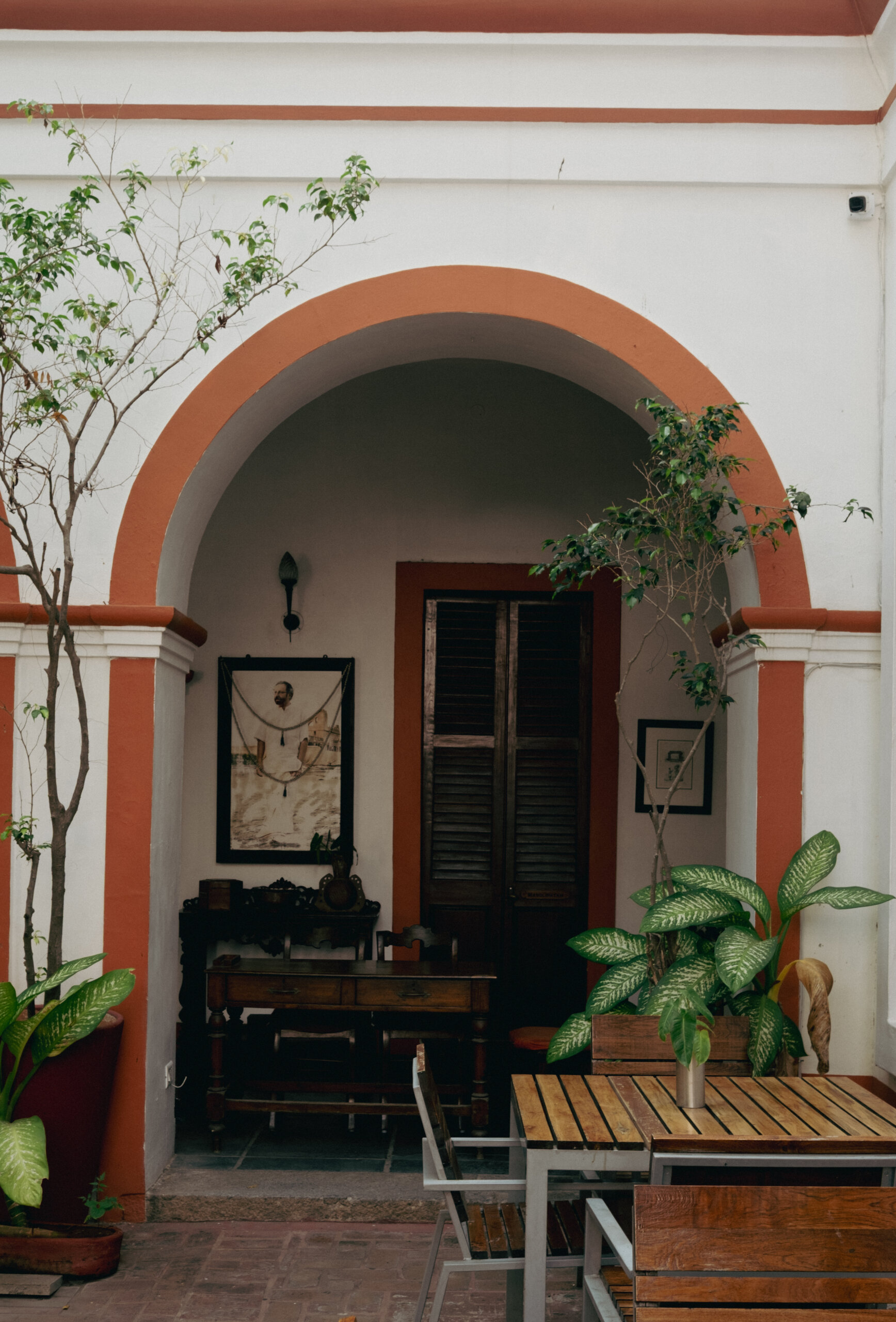
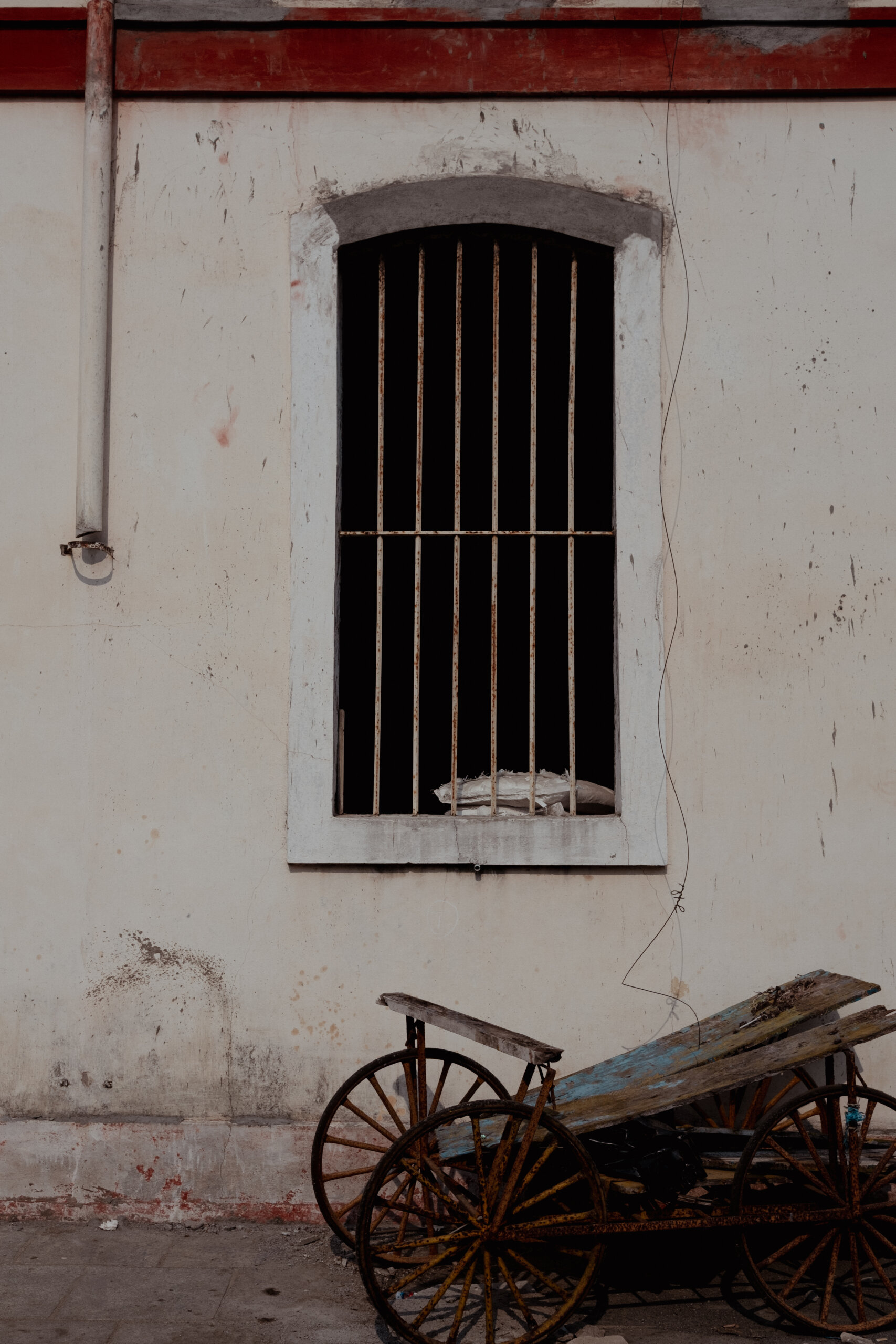
Writing—like travel, art, cinema, and everything else—is deeply political. And someday, I will be able to write about Pondicherry from that lens—a perspective that requires us to move from viewing the place as a mere tourist destination to considering it as a multi-cultural geography with its unique challenges of being a former colonial port-town, and its position and stance on everything that’s unfolding in Auroville, its neighbouring township.
For now, this post serves as a checklist of accomplishments from the wishlist I made in my previous post about dining out in Pondicherry. A gastronomic photo essay, some notes, and passing thoughts, more than anything.
Suggested read: Pondicherry Food Trail – Part Une
Bay of Buddha
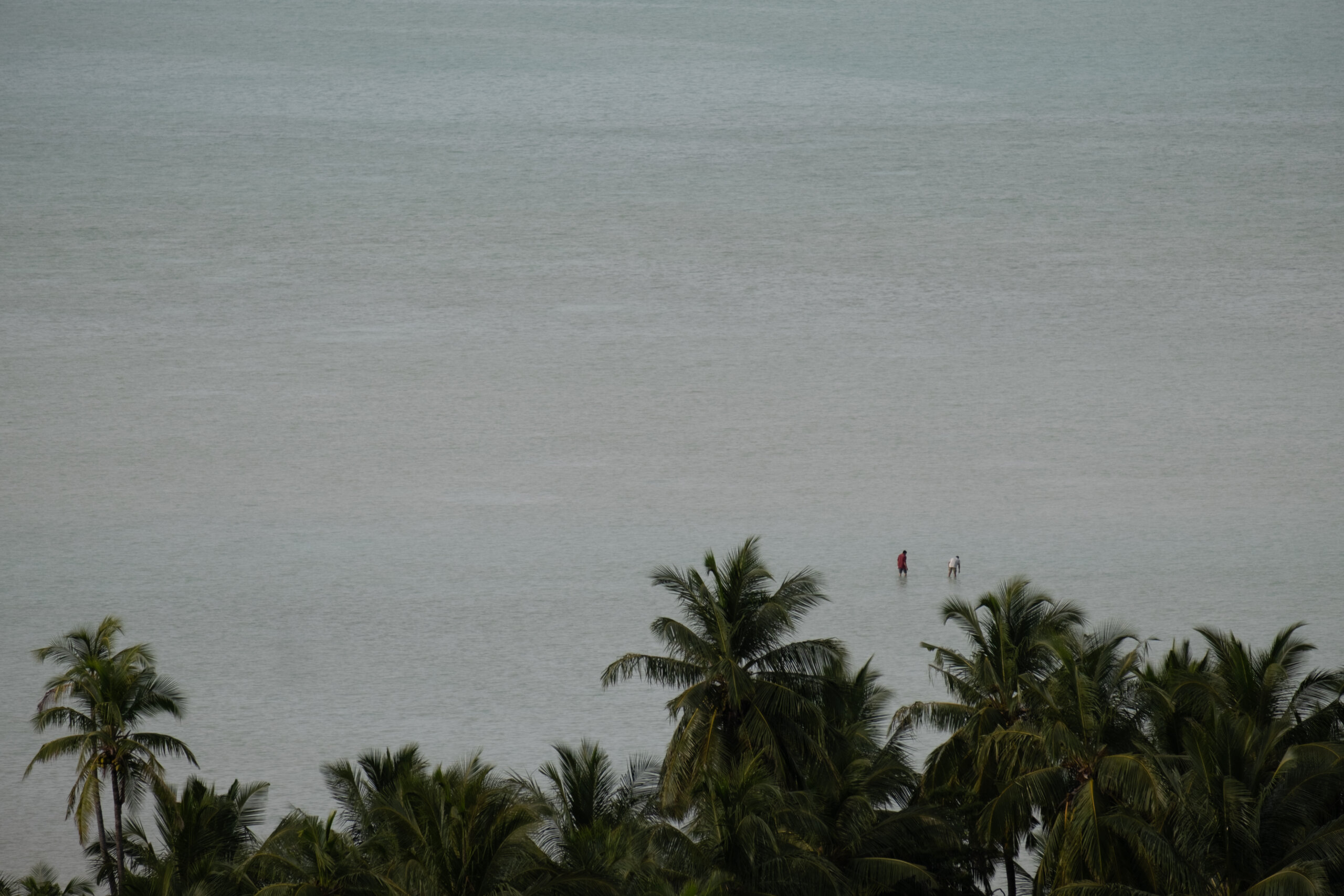
On a warm evening, I found my feet taking me to the Bay of Buddha, on the Promenade, with little resistance on my part. On the rooftop, the restaurant overlooks the beach and the walkway—the dark waves of the Bay of Bengal lapping against rocks, sometimes crashing against them, leaving white froth and salty spray in their wake. The same waters gave passage to the colonial powers who would reshape the erstwhile fishing village of Puducherry into a port town of significant importance to the French, Dutch, and British.
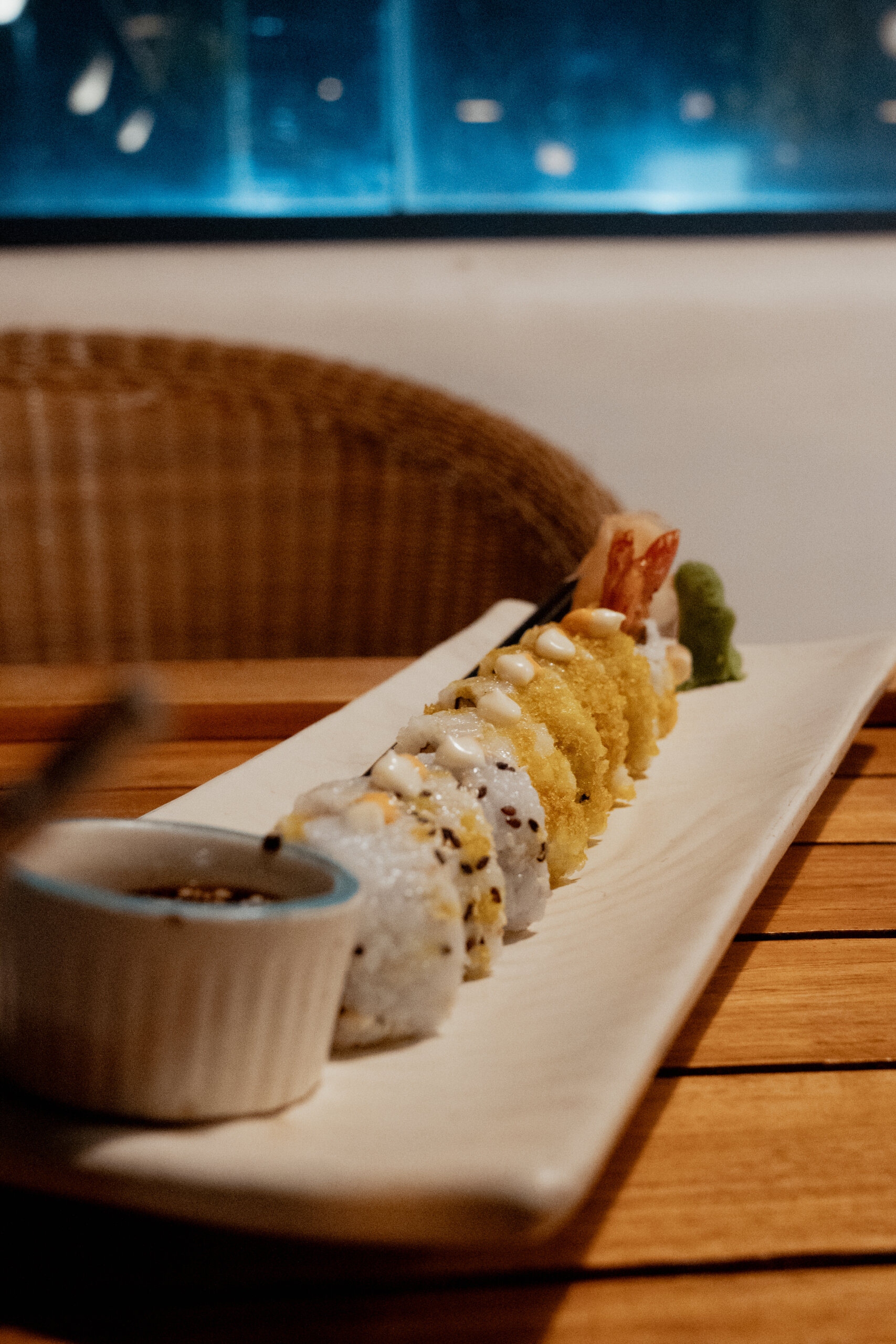
Asian cuisine has been part of the Pondicherry gastronomic experience for longer than most people realize. Puducherry and parts of coastal Asia are tied by a colonial thread—French rule. Ports were viable colonial settlements, since all colonial powers came to India and other eventually colonised lands for one thing and one thing only—trade, be it spices, indigo, minerals, or human.
Vietnam was a French colony, and no place bears this legacy more clearly than the ancient city of Hoi An, also known as Pho Co Hoi An. No surprises, then, where bánh mì, the Vietnamese twist to the baguette, has its roots. Families from Pondicherry would travel across the seas as part of the French administration, either for trade or as part of the armed forces. For those who grew up in Pondicherry, cha gio—Vietnamese roll filled with vegetables and meat—was a street-food staple. Today, Paris Restaurant is the sole carrier of this quintessentially Vietnamese dish.
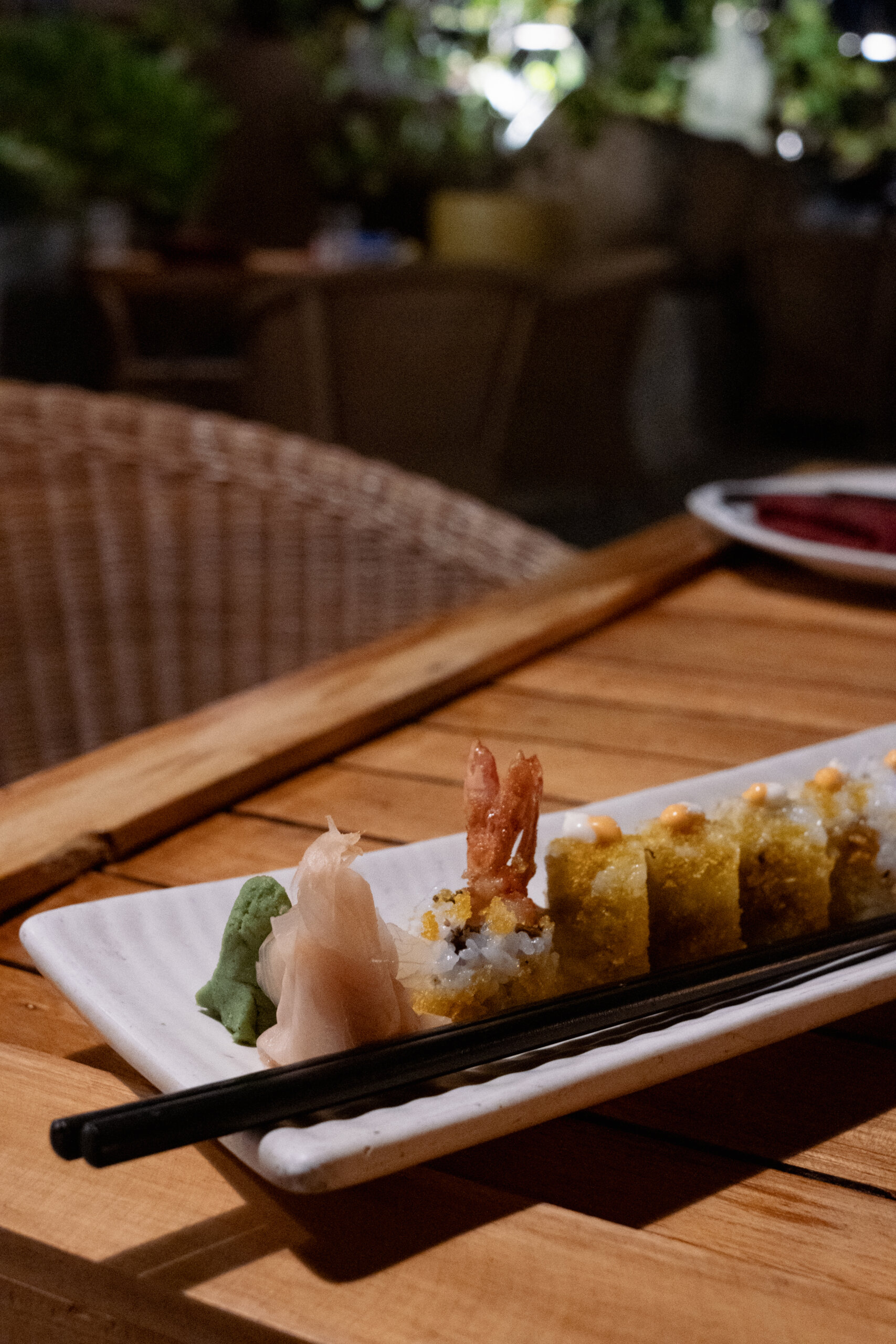
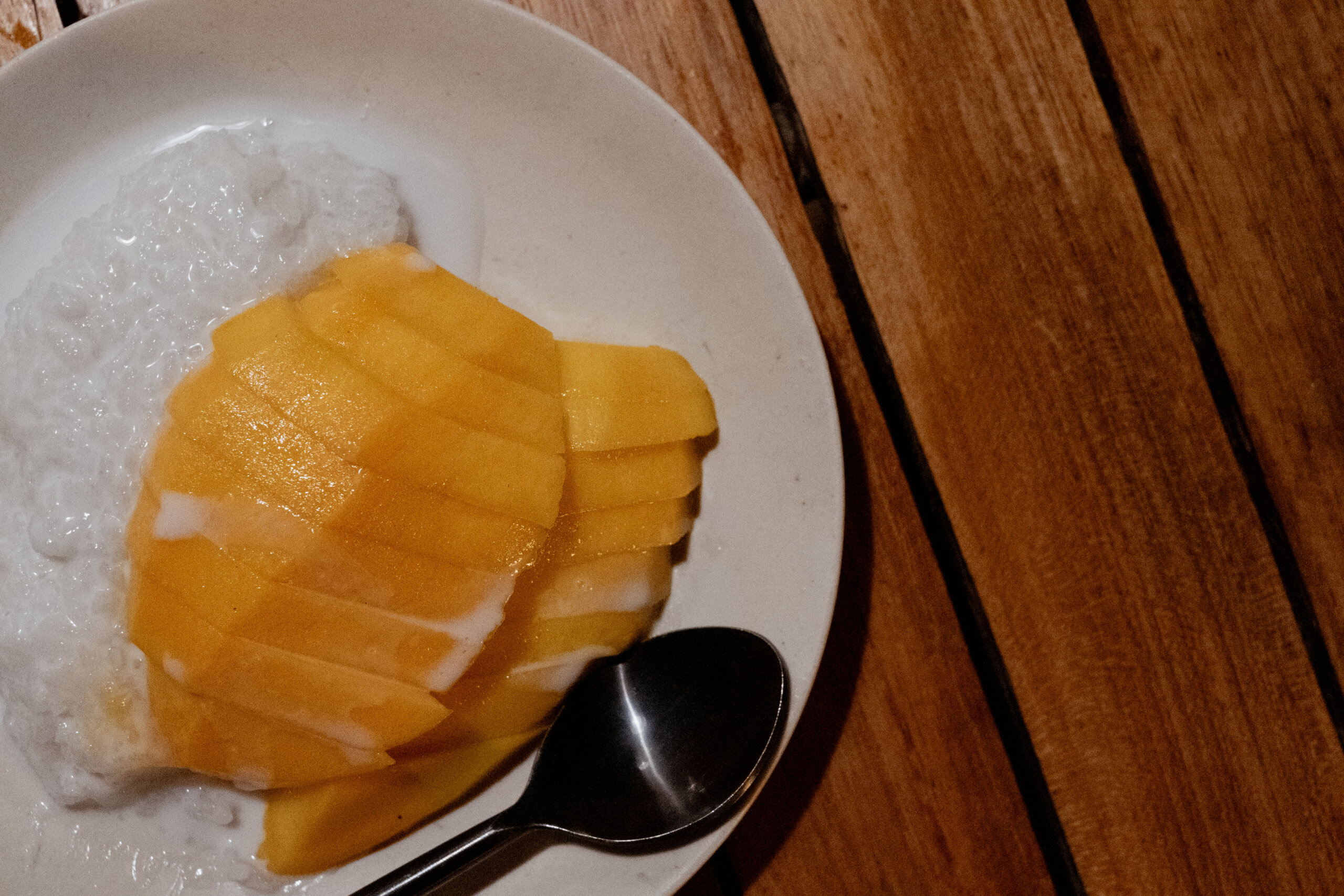
As I tucked into the Salmon & Prawn Sushi, followed by a delectable dessert of Sticky Rice with Mango, I wondered about the transference and mingling of cultures—especially food, the most portable part of any culture—and the delicate dance between the colonizers and the colonised, and what is revered as retained culture in the light of colonial atrocities meted out in Puducherry.
Suggested read: About a tea house in Hoi An, Vietnam
Bread & Chocolate
Much good has been said about this vegetarian bakery that now has two branches – one in Pondicherry’s White Town, the other in Auroville.
Auroville has been the talk of the town for a while now. The utopian township started by Mirra Alfassa (“The Mother”) is meant to be a spiritual commune free from politics, private property, and money. Ironically, it’s now at the epicentre of politics—between residents and indigenous peoples, between government development projects and The Mother’s vision.
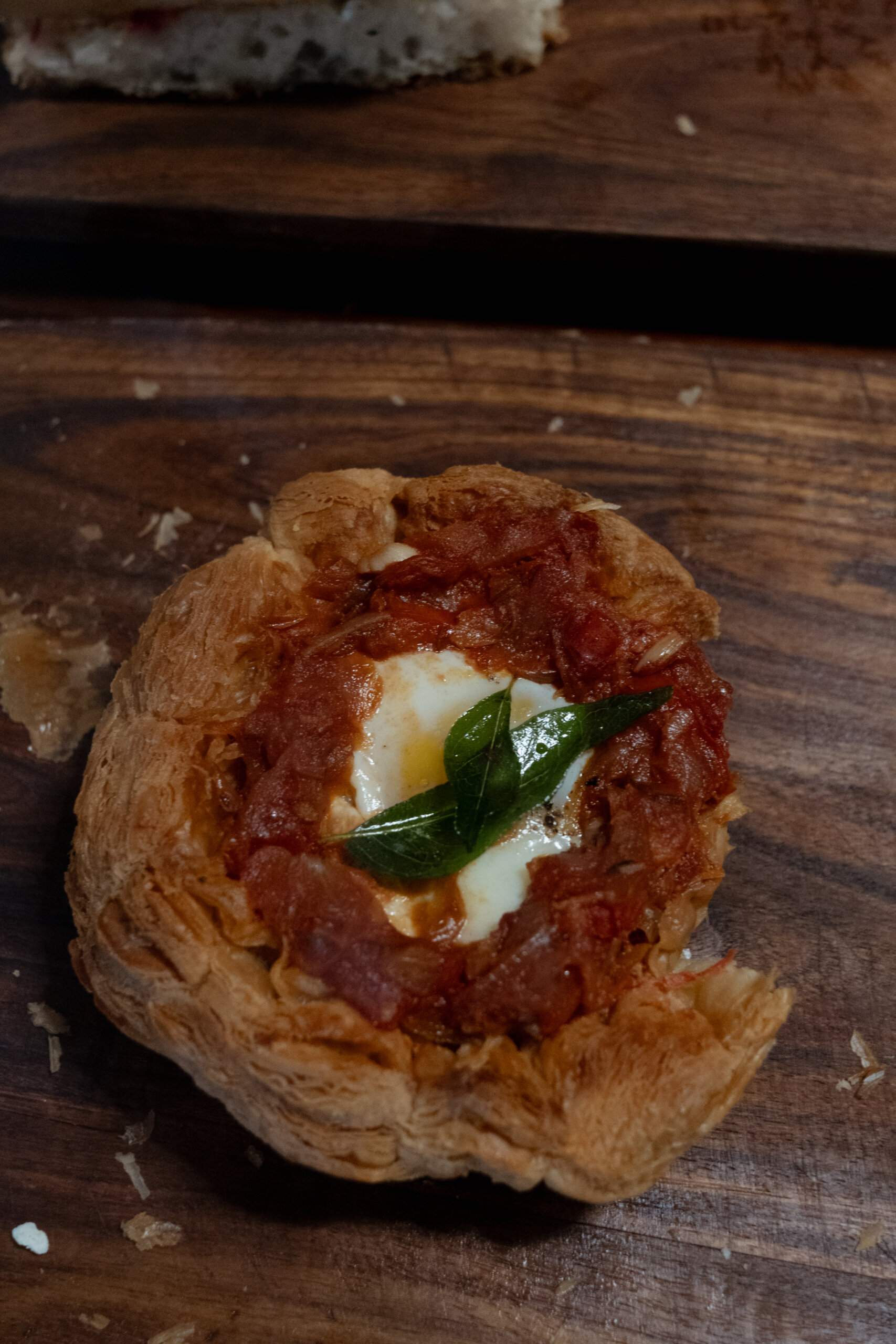
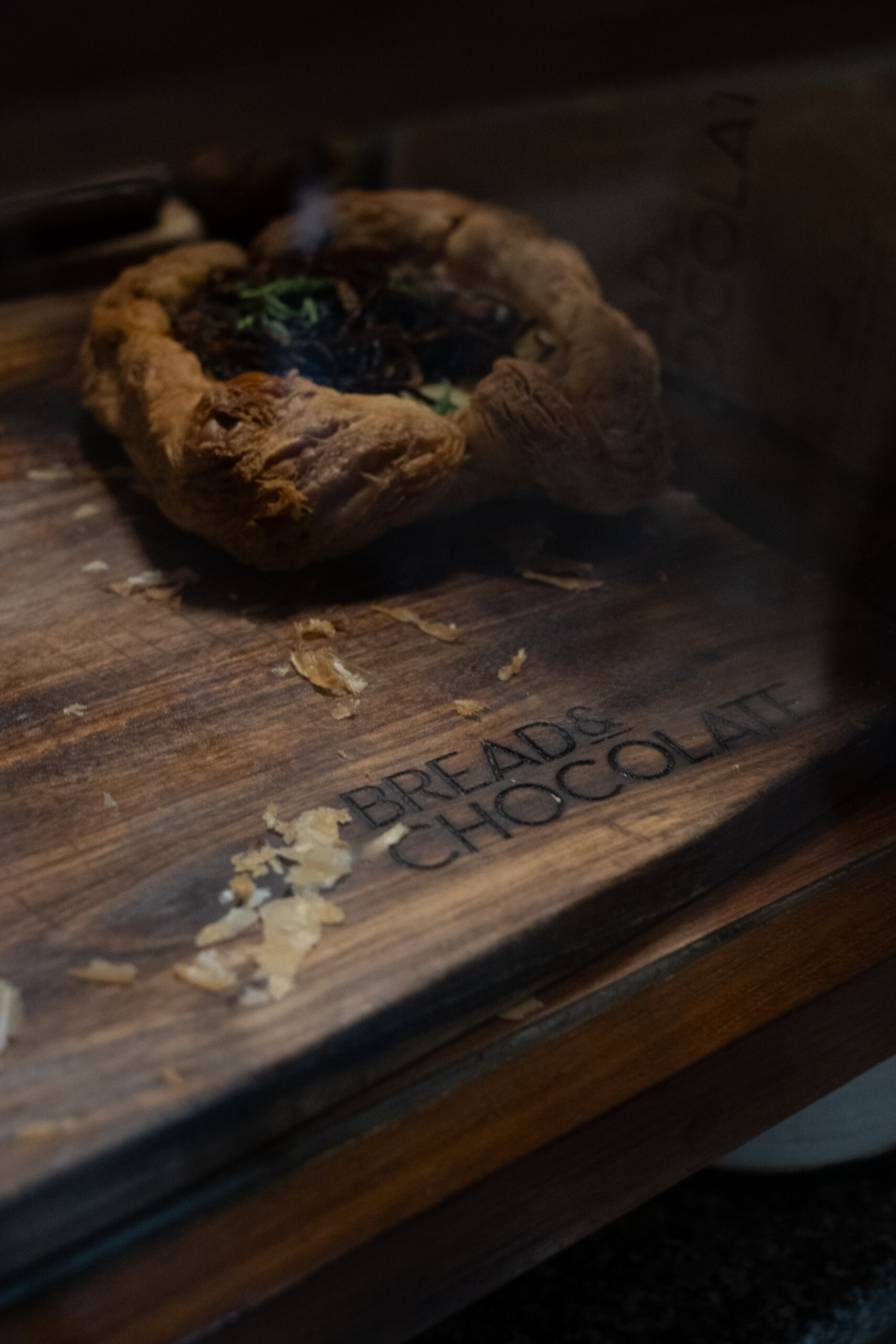
Food cannot be separated from politics. Auroville prides itself on its 20+ farms, high-quality ingredients, and its nurturing of nature. But all of this seems to be under threat, especially as the ruling BJP government has been a strong proponent of redevelopment projects that undermine Auroville’s strong ties to nature, and the seeming influence of the RSS in its cultural programming, through Jayanti Ravi, an IAS officer from Gujarat, who became the Secretary of the Auroville Foundation in 2021. Residents and visitors alike can clearly feel the undercurrent of right-wing Hindutva agenda that’s being pushed by BJP-RSS ideology champions.
Auroville also faces the challenge of meeting food demand with the supply at hand, both in quantity and variety. Foreign and non-local palates demand ingredients suited to them, which the township must try to fulfil, or introduce local produce through education—recipes, newsletters, and restaurant menus featuring local foods. There’s also the challenge of adequate manpower, a gap that Auroville tries to fill through volunteership and collaboration with educational institutions.
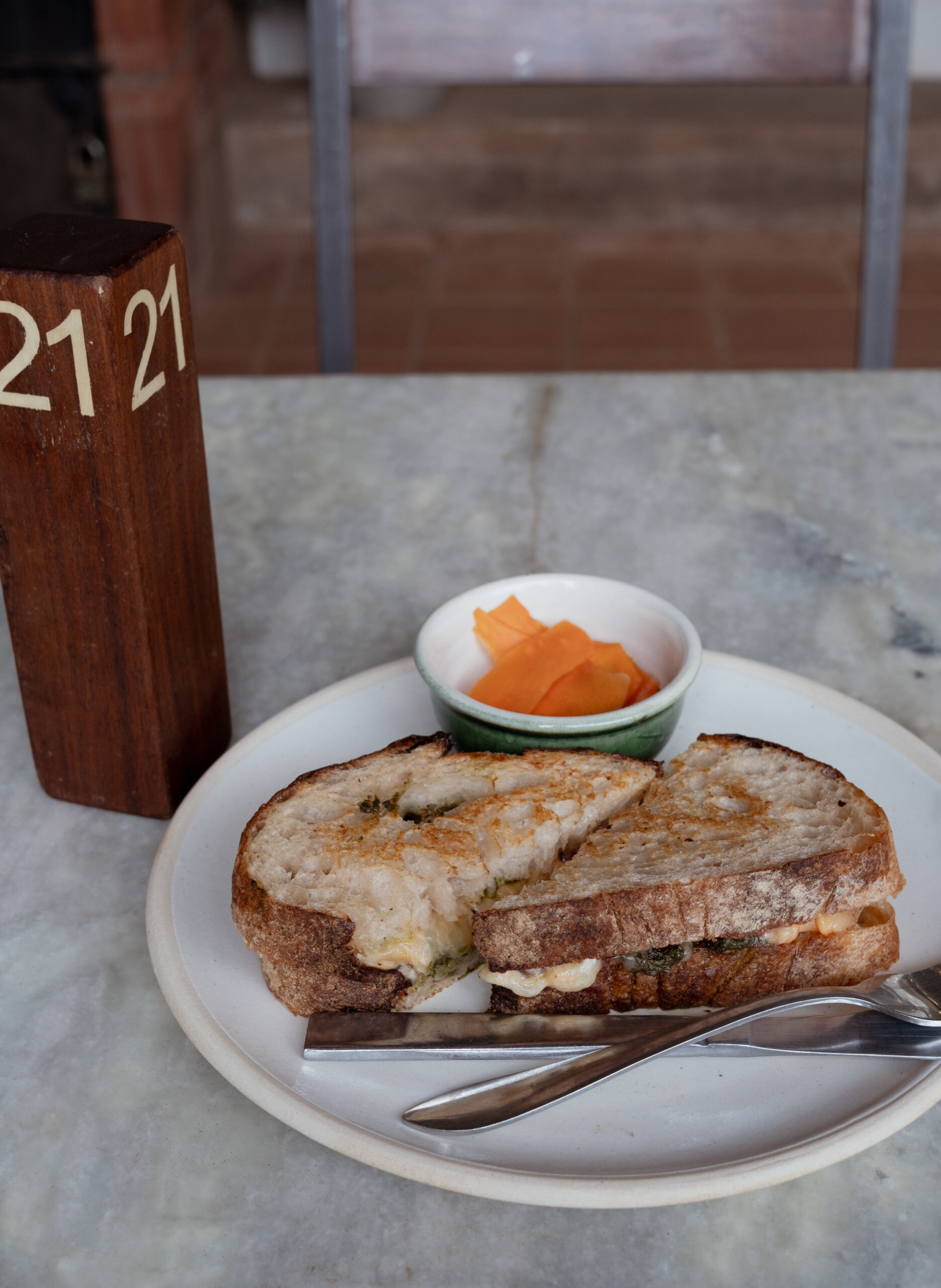
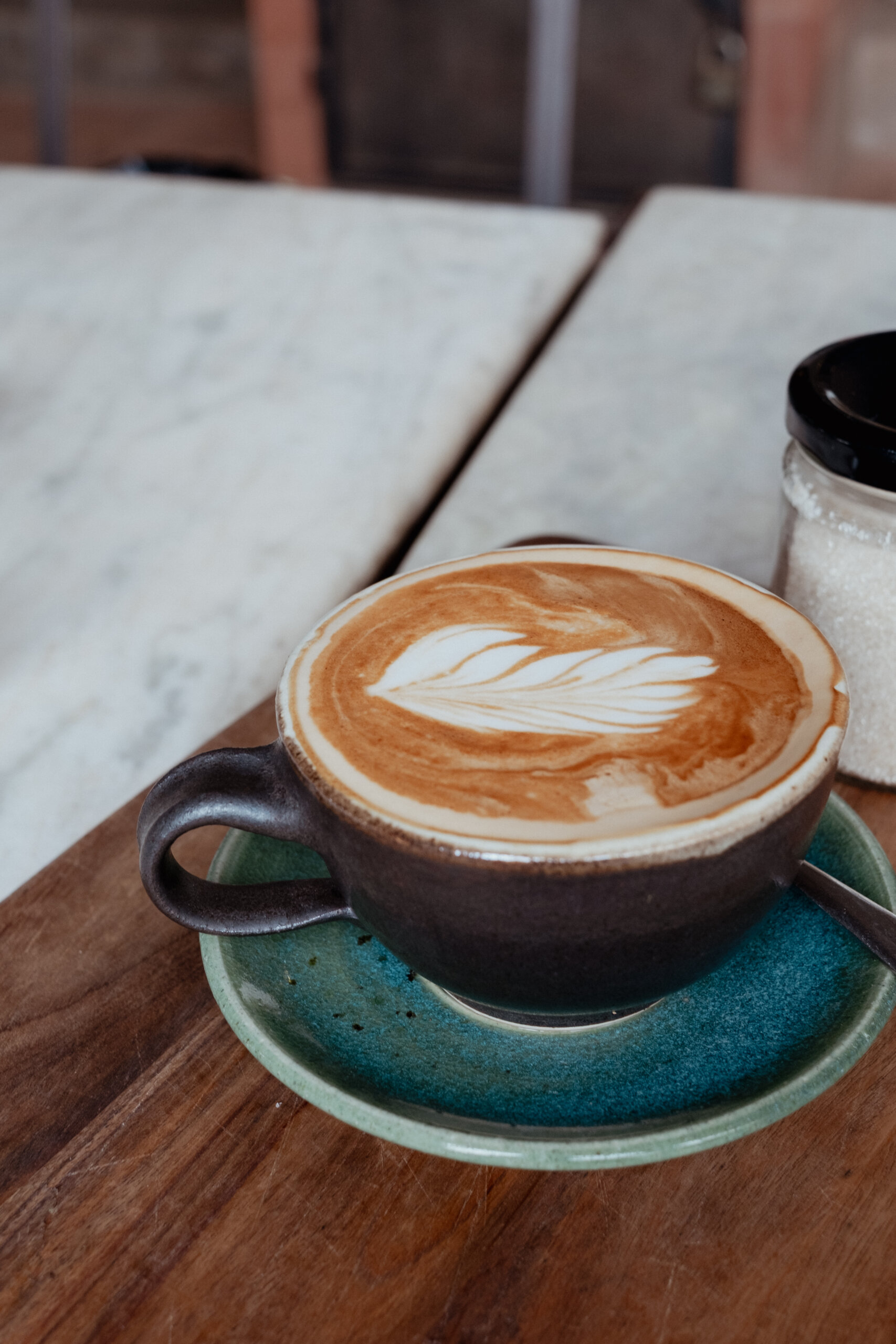
In light of all these challenges, Bread & Chocolate does an adequate job in serving new diners and patrons alike. The food isn’t too bad—I liked my Honey Cappuccino more than the cheese sandwich. This could also be because my stalker texted me before I dug into my breakfast, saying he’s in Pondicherry and wants to meet. That alone was enough to kill my appetite. What’s a girl gotta do to enjoy a lazy breakfast without worrying for her safety!
Cafe Des Arts
Perhaps one of the most Instagrammed places in Pondicherry, Cafe Des Arts is housed in a 19th-century Franco-Tamil mansion, with cheeky graffiti on the exterior walls and colonial furniture liberally scattered throughout the interiors.
I typically travel to Pondicherry during the off-season—June-August. During this time, crowds have tapered, retreating to their home bases for respite from Pondicherry’s intense heat and sharp rains.
Cafe Des Arts is painfully aware of its popularity. While the food doesn’t disappoint, that’s not what draws people to the restaurant in droves.
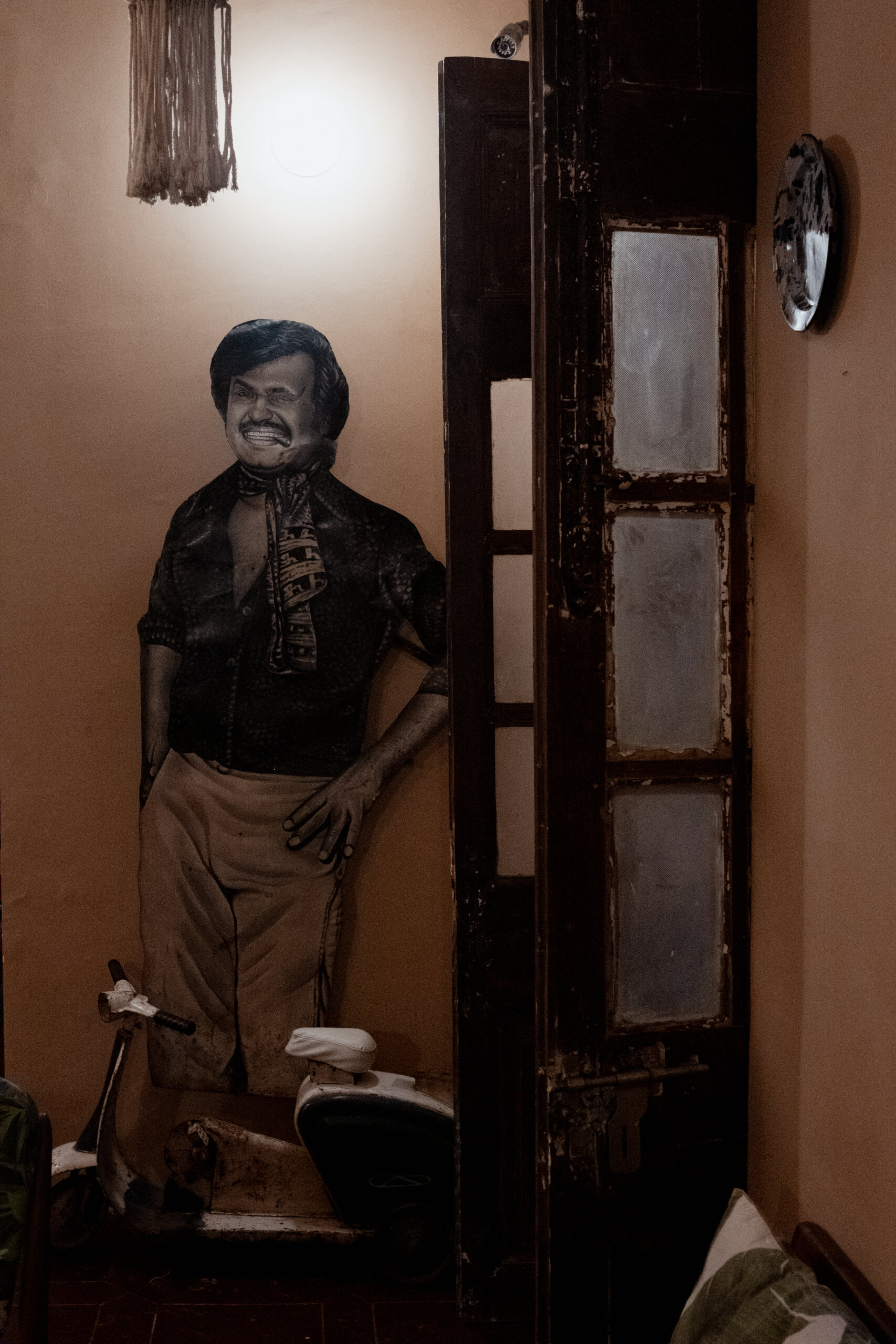
It’s the photographability, the Instagrammable quality that oozes from every inch of the space. I’ve seen queues all the way down the street, people waiting to set foot inside to take at least one social media-worthy image, while others are content to pose beside the black-and-white murals against mustard-yellow walls. Eventually, the management banned photography inside the restaurant.
Because I visited when the crowd was sparse, I was allowed to photograph the interiors at leisure.
It’s something to think about, our chasing of Gram-worthy spots. I often pause to ponder over the psychology behind this now-normalized act—is it because the photo serves as a visual checklist, a documentation of places visited? Or is it some social currency to feel relevant among peers? Is it herd mentality that makes hordes of tourists stand in long queues in the blistering heat to take a few images? What part of the psyche drives this behaviour? And how does this affect the restaurant—does the establishment face labour, food quality, and service issues when the number of patrons swells? How do they make do between busy seasons and shoulder seasons?
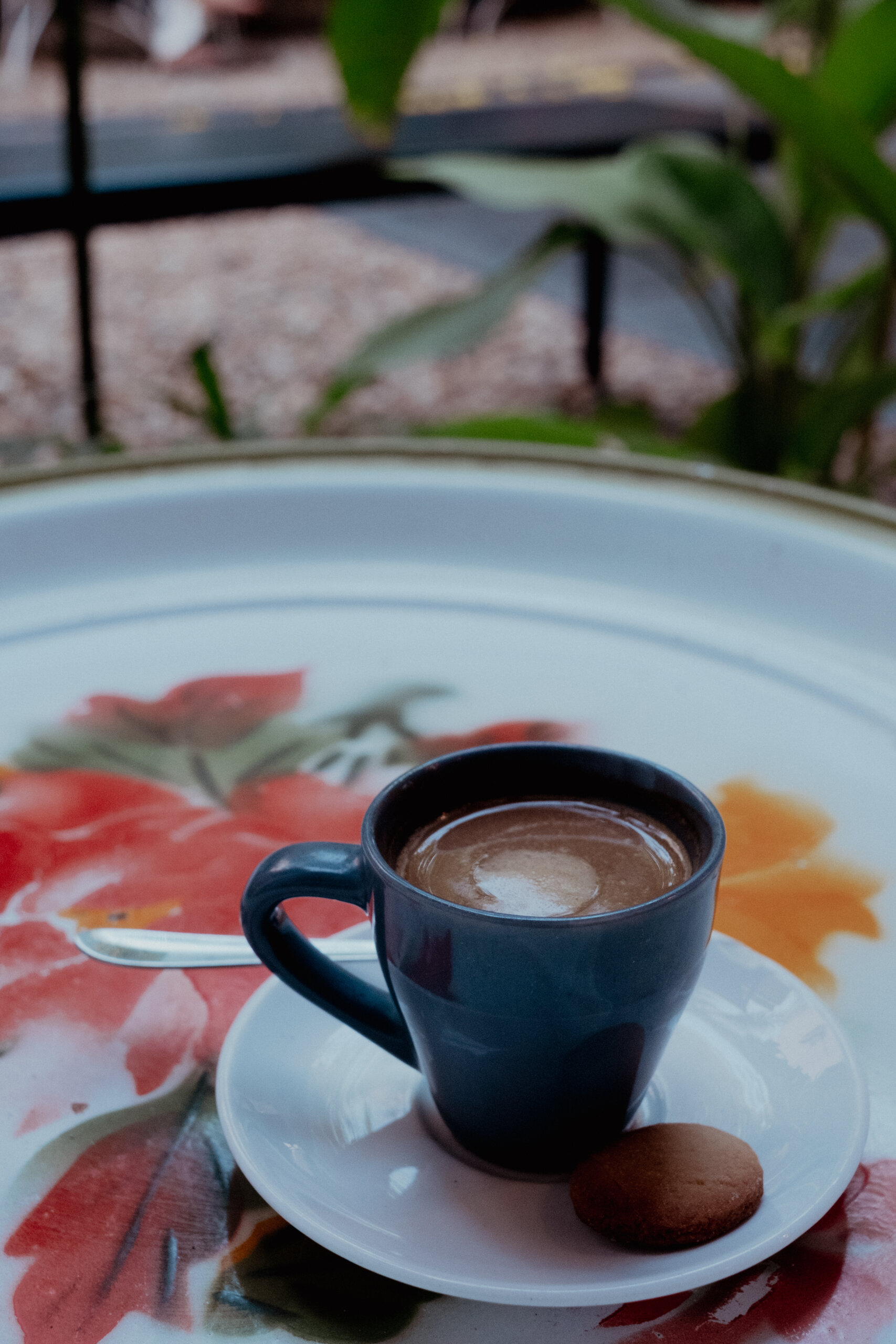
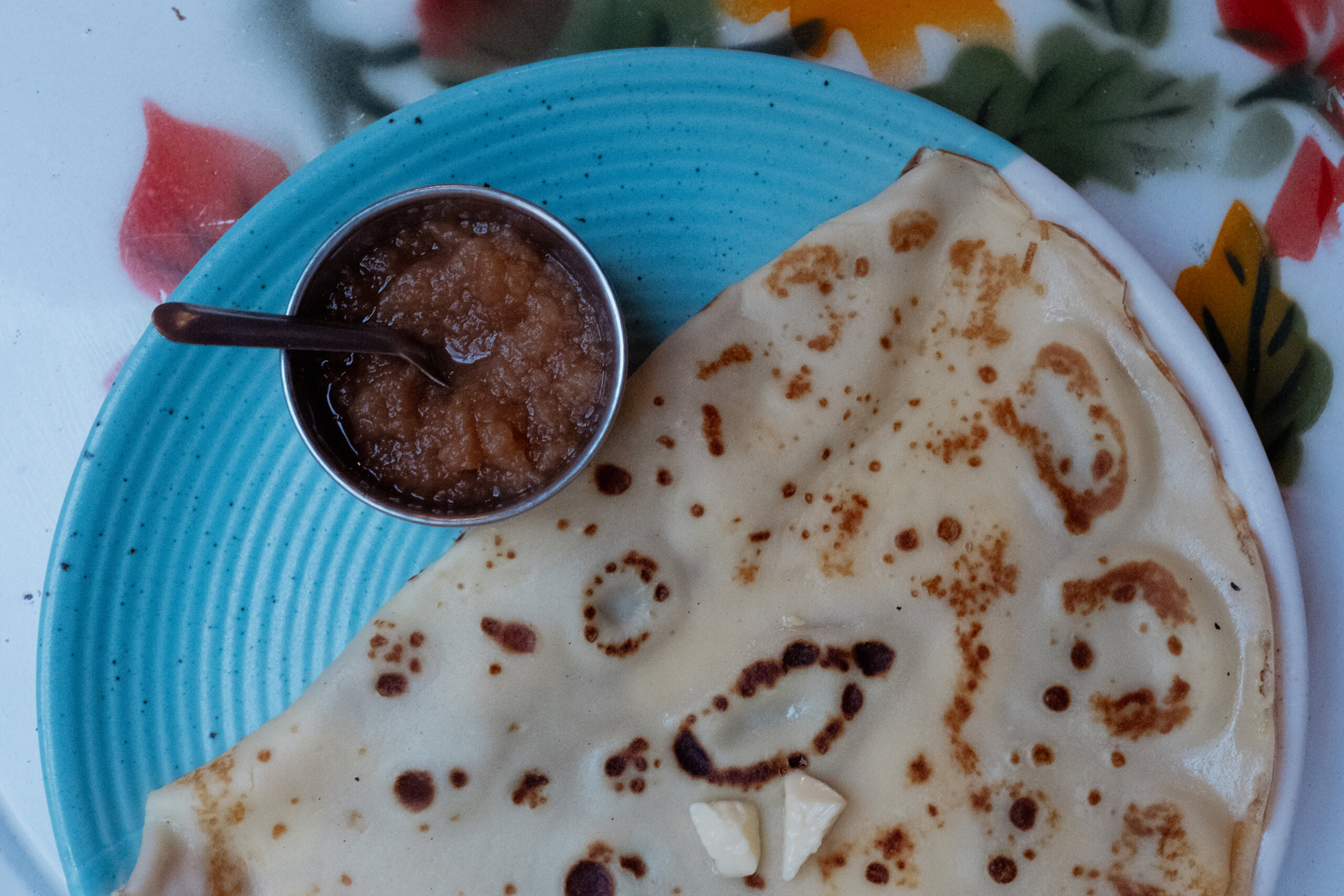
As I sip my Cafetino and dig into my Crepe with Apple Compote, my mind whirs with these questions. Someday, I shall seek out the answers. But today, I shall battle against flies who relish the compote just as much as I do.
Cafe Xtasi
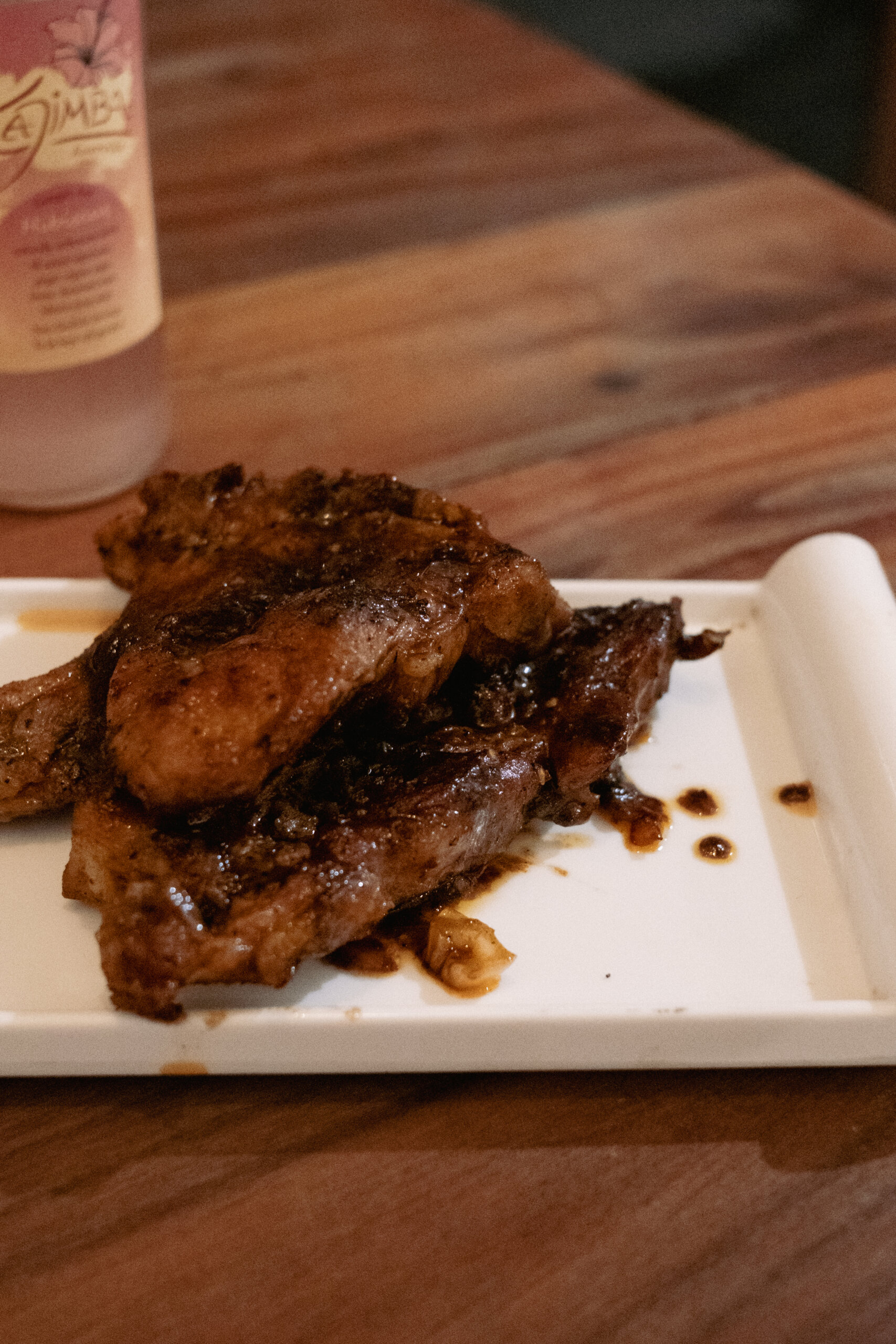
Many moons ago, Cafe Xtasi was known for its oven-baked pizzas and its fall-off-the-bone pork chops.
Those moons have come and gone, and with them, they’ve taken the quality that was once inseparable from the cafe. What goes up must come down, I guess.
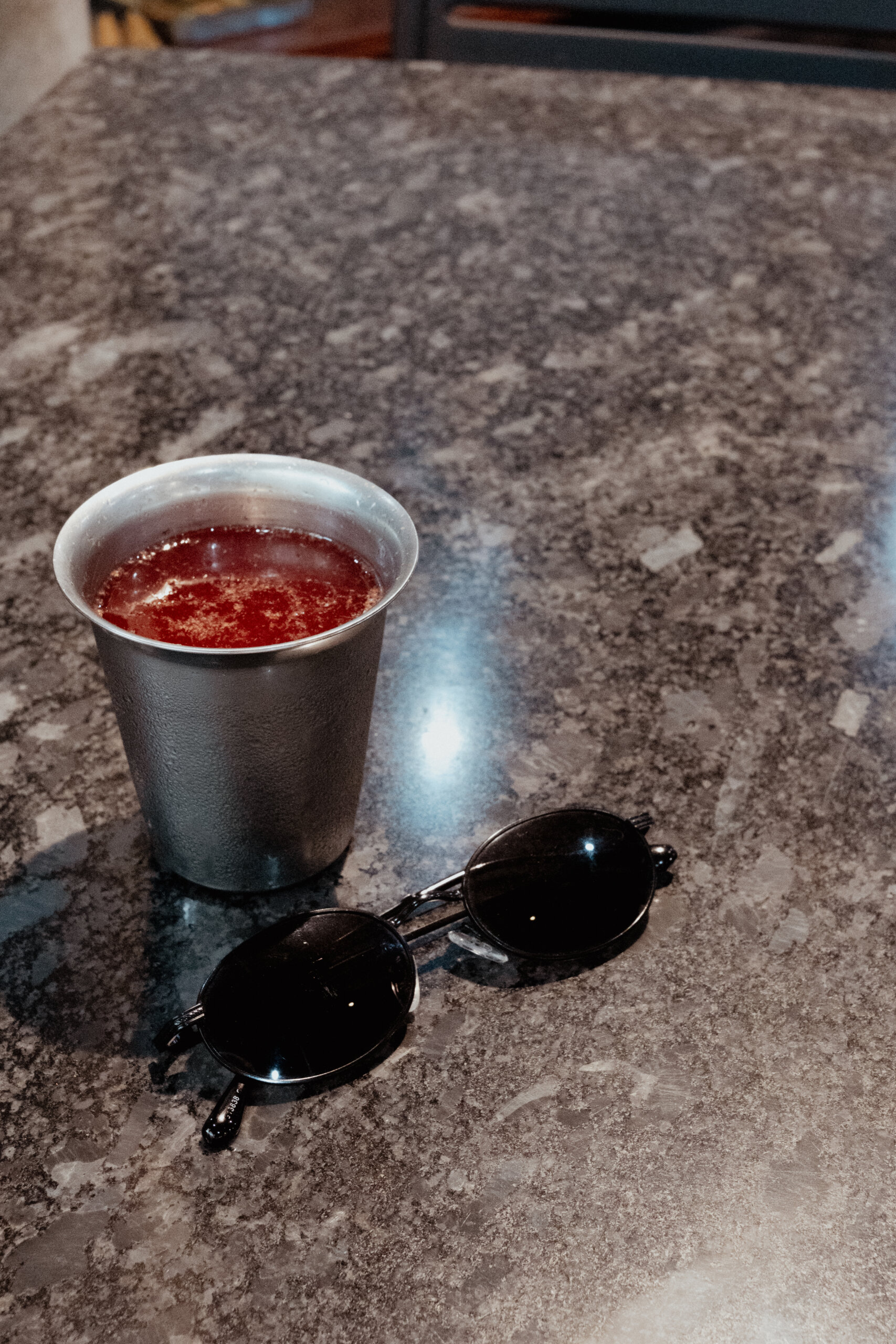
I still went ahead and ordered the barbecue pork chops and a hibiscus ginger ale—the drink was more to help me keep my cool than to quench my thirst; I was face-to-face with my stalker, trying to appeal to his human sensibilities. Much to my dismay and frustration, I was unable to reason with him. So I did the next best thing: I abandoned the chewy fat on the chops and walked out, making sure to block the man on every avenue of communication.
Chez Francis
A leisurely lunch at Chez Francis was the perfect opportunity to plan the rest of my one-week itinerary, sans the time I’d spend on doing research for a writing assignment I had taken up.
The interiors are pleasing to the eye—terracotta red against barely-cream walls peppered with vintage photographs and other viable collectibles.
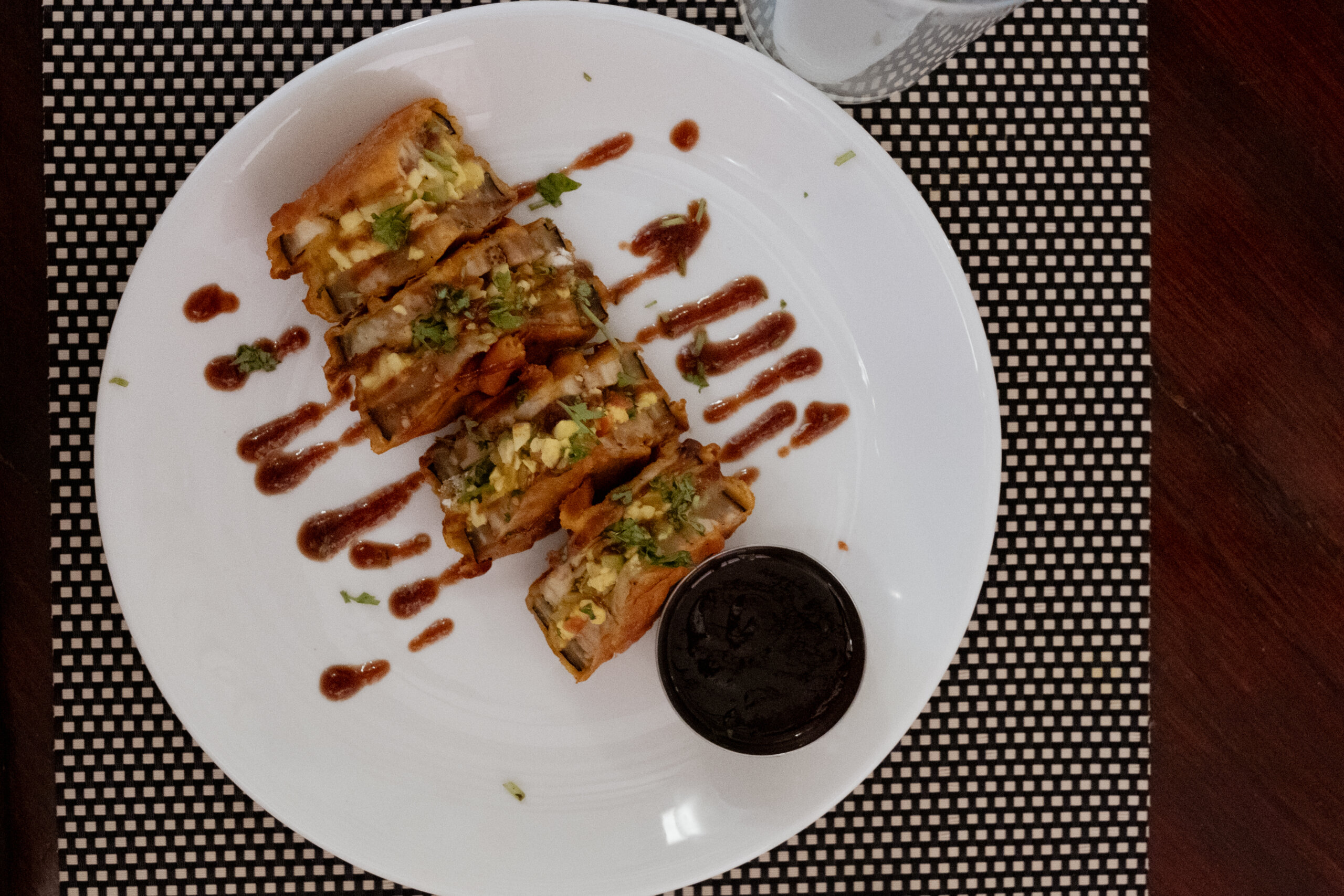
As my meal arrived—aubergine fritters with tamarind chutney and chicken and mushroom fricassee with velouté sauce and buttered mashed potatoes—I learnt that Chez Francis uses fresh produce, most of it coming from their organic farms in Kodaikanal and Dune Eco Village. They make their pastries, breads, and jam on-site and forgo canned or ready-to-eat frozen foods.
While dining in any Indo-French—or Creole—restaurant, I always think of how nearly three hundred years of colonial rule can’t help but show up in recipes. This also means that colonial powers have co-opted certain spice blends and herb-forward mixes, although this isn’t as blatant as Western countries turning haldi doodh into golden milk, kohlapuris into leather sandals, or the dupatta into scandinavian scarf!
I speak of vadouvan—the French spin to the Tamil classic vadagam or vadavan. Available across the globe as a French curry spice blend, its Indian roots are often ignored, labelled over, or forgotten. But vadavan has been a part of Tamil households for centuries—prepared when the sun is at its hottest, when shallots/small onions are available at their cheapest. A host of ingredients undergo sun-warming, fermenting, and preserving, to eventually add a complex, earthy umami flavouring to local fare.
The French, during their colonization of Pondicherry, took away only a handful of culinary secrets from India. But vadouvan, touted as their own creation, has been the talk of the culinary town for years now. Is it the whitewashing that makes the world more accepting of the spice mix? While vadavan and vadouvan may have slight variations, one cannot deny the spice blend’s distinctly south Indian roots. And one should not.
Cottage Restaurant
This nondescript restaurant dates back to 1953, and was opened as a space where ashramites could get bites and nibbles that they could trust.
Cottage Restaurant, today, is known for its sweets and toffees, their recipes passed down through generations.
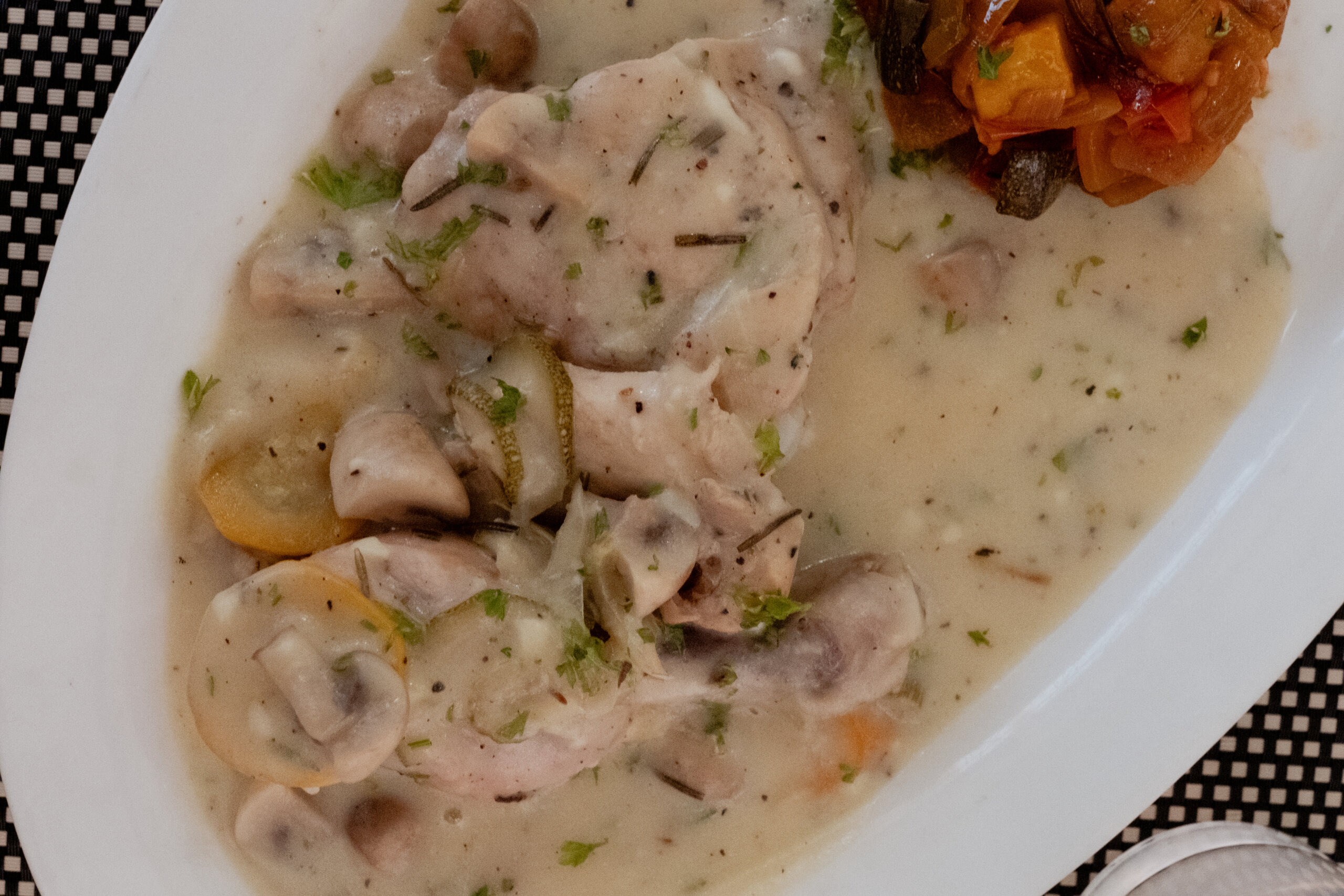
I’ve heard their cashew toffees are good. I decided to stick to a beverage and ordered a Power Soda—quite the refresher in the sweltering July weather.
Eat My Cake!
Of all the eateries that I’ve been to in Pondicherry, Eat My Cake! stood out for me—for their desserts, for their darling interiors, for the proprietor, and for their social enterprise.
Overlooking a bougainvillea-lined street in White Town, Eat My Cake! is all pink and teal, transporting me right back to girlhood—those cheery, innocent days of running around trees with my besties, talking about things that matter to teenagers in the 2000s.
I digress.
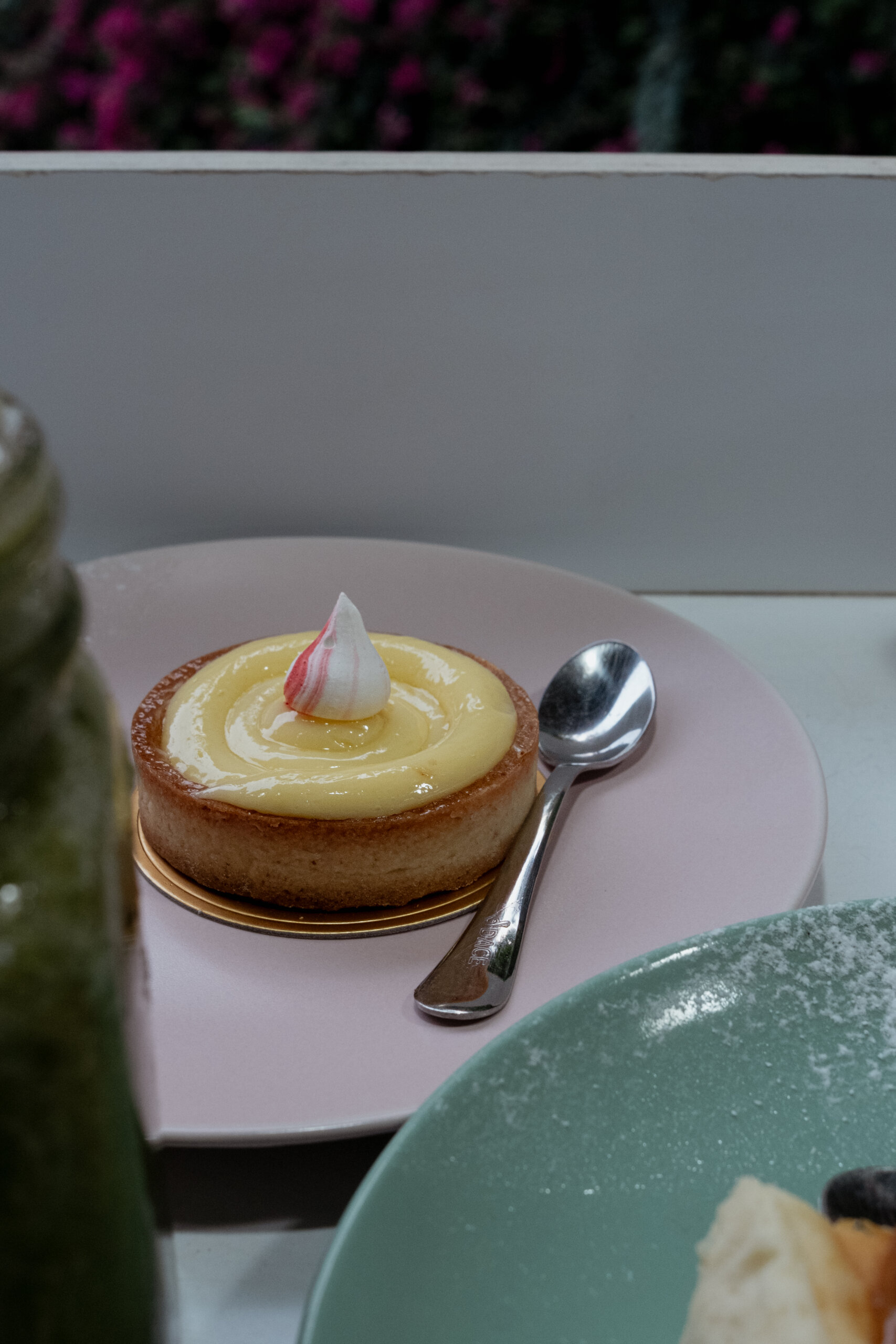
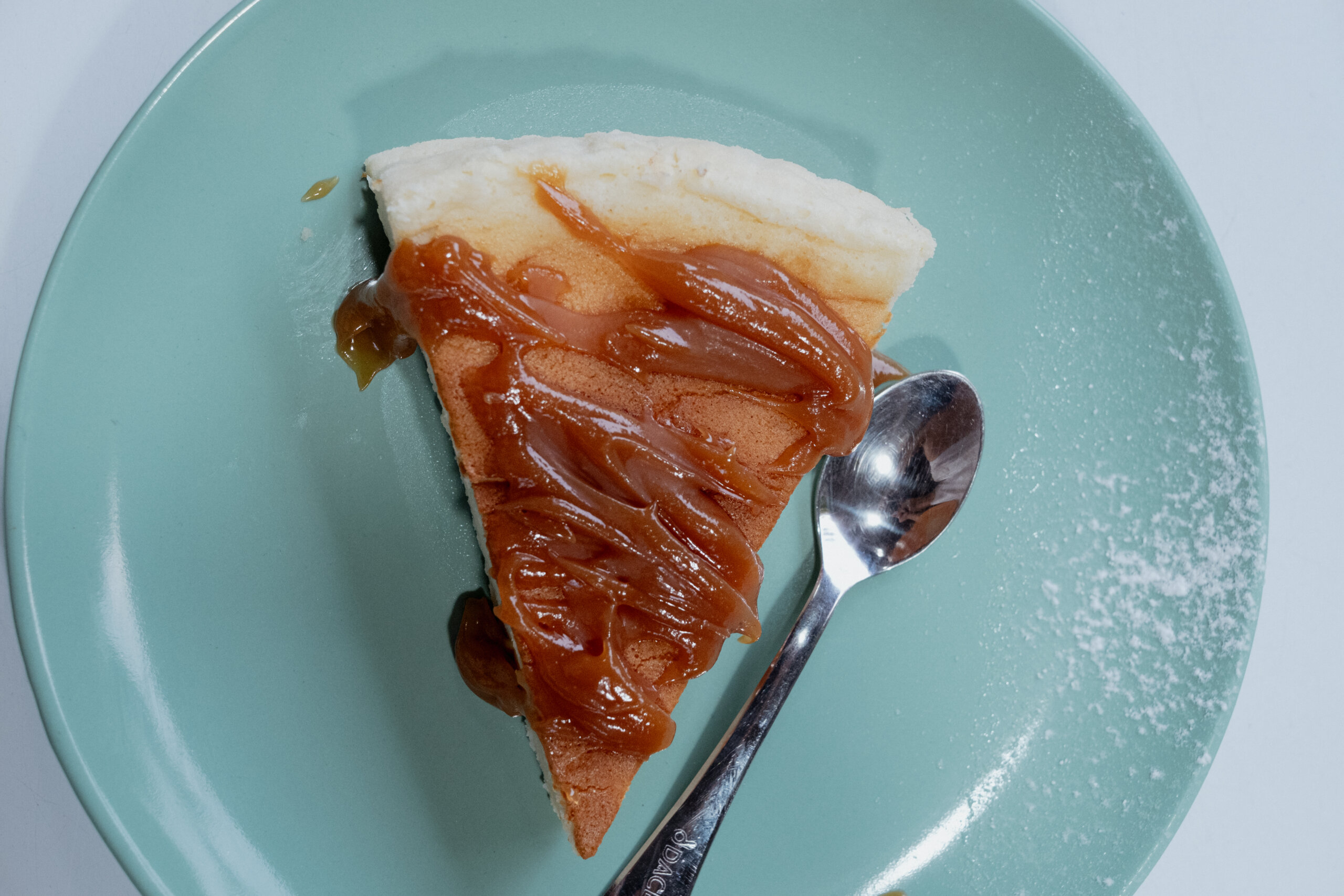
The desserts at the cafe are divine. You won’t go wrong with any order, but I’m partial to their Japanese cheese cake with caramel and their Lemon pie.
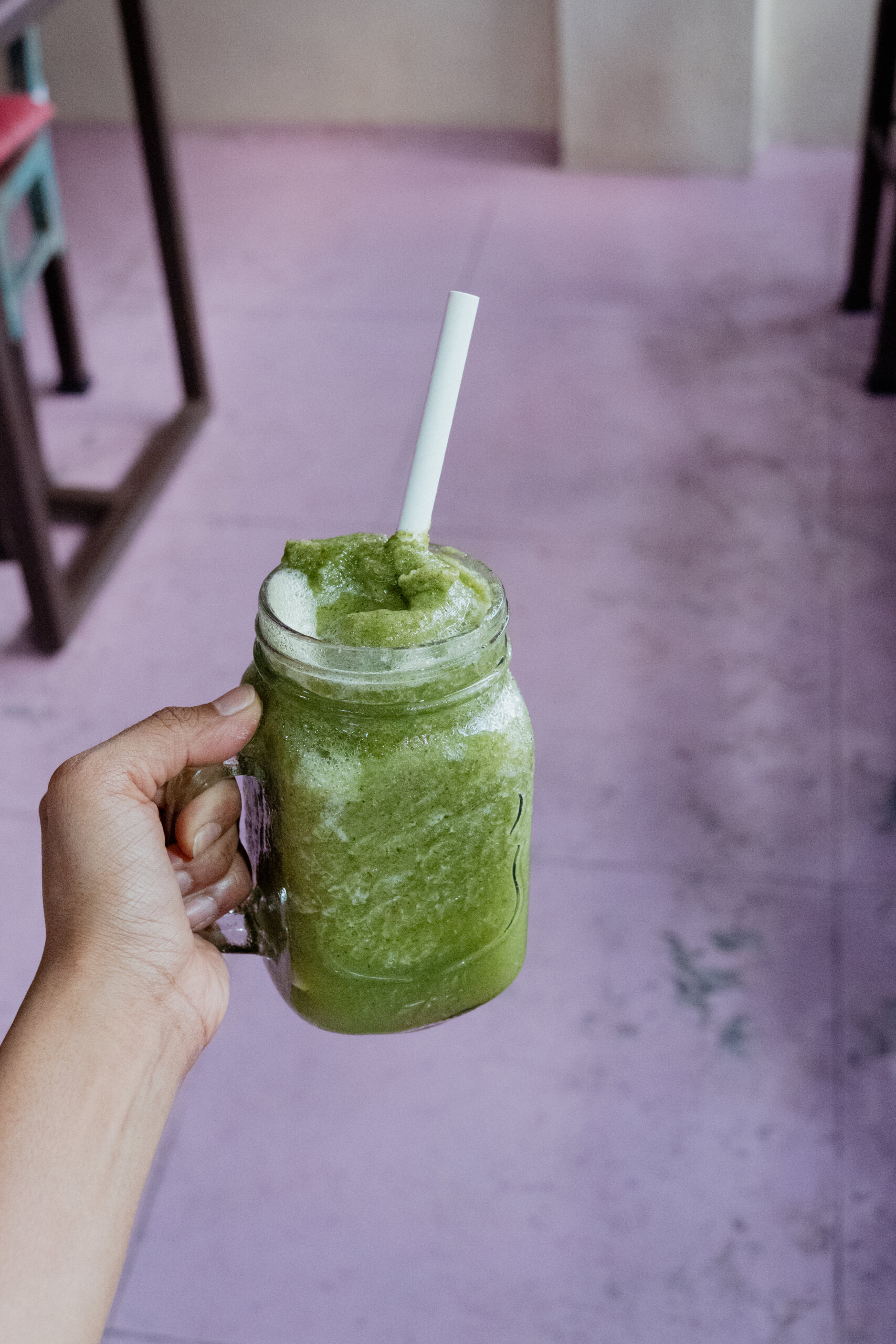
The proprietor Saloua suggested I go with the Cucumber mint chili juice, and on that warm summer evening, I’m glad I went with her recommendation.
What makes Eat My Cake! special, beyond the mouth-watering desserts and the pretty al fresco rooftop dining, is that they employ local women who have been victims of domestic violence. A safe space that empowers women who’ve dared to leave an immensely difficult situation—rife with societal gender dictates, casteism, and lack of education—is what the cafe provides. The women are taught various skills that make them assets to the cafe, while helping them grow as employable individuals who never again have to depend on men for financial support.
And if that’s not another reason to head to Eat My Cake!, I don’t know what is.
The cafe has limited operational hours, so it’s best to look up its opening and closing times before planning what you’re going to eat there.
French Loaf
On a whim, I decided to walk around the now-familiar rues of White Town, and that’s when I stumbled upon a small cafe that looked shiny and new—French blue exteriors, warmly lit interiors, and a delightful spread of savoury snacks. And of course, coffee!
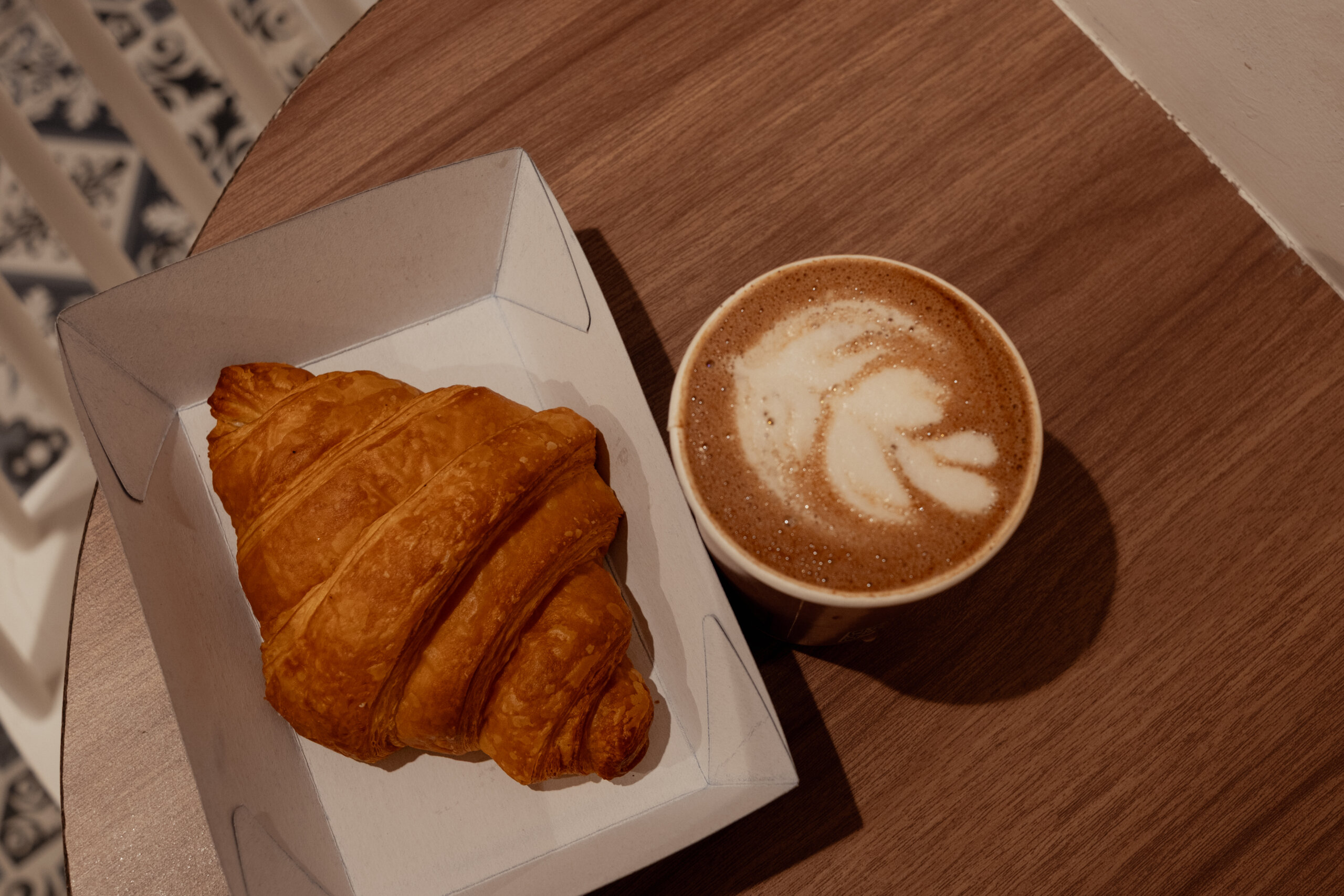
When in little Paris, have a croissant, right? So that became my first proper meal of that day, having reached Pondicherry early in the morning.
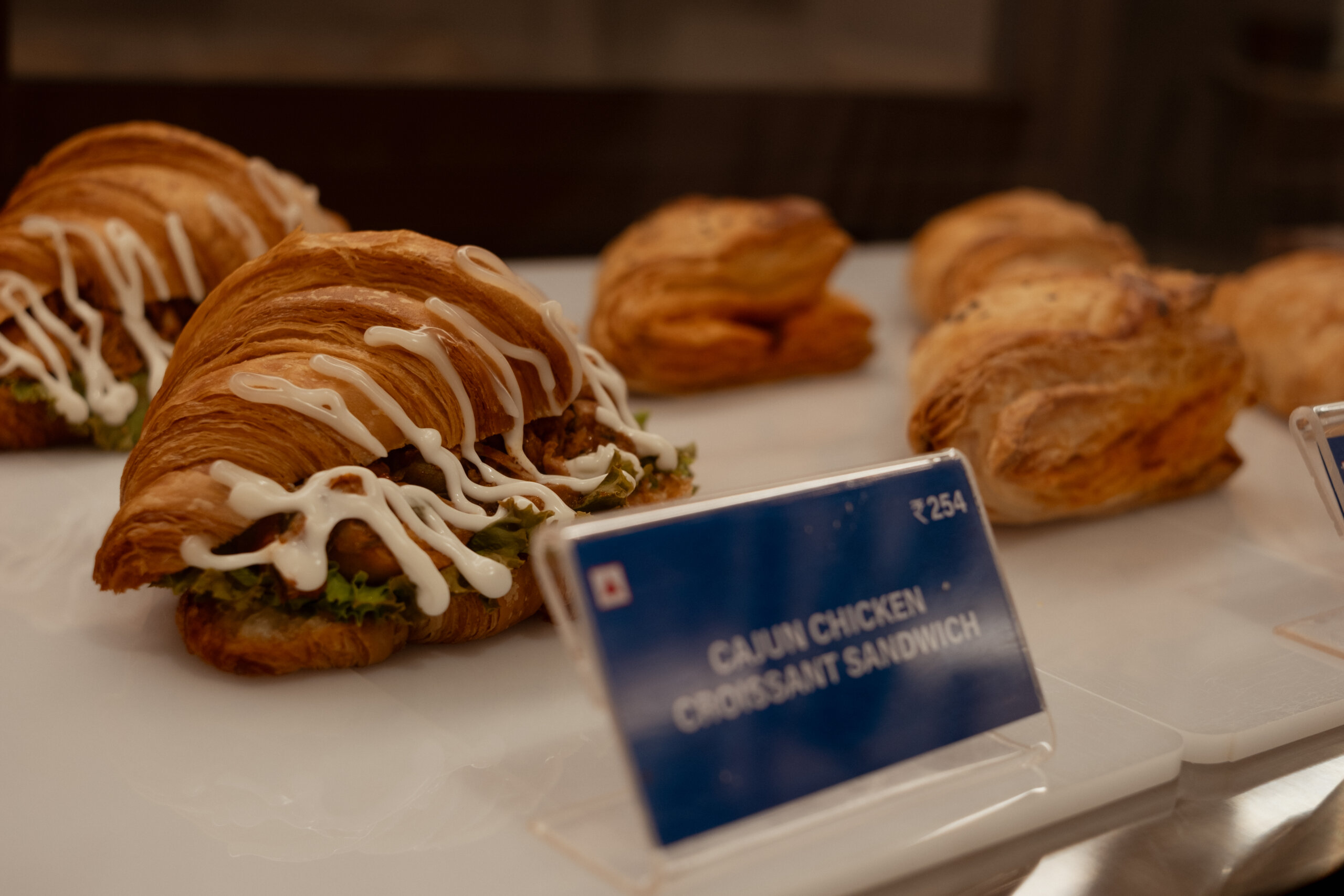
I don’t have many remarkable things to say about French Loaf. Not because it’s not good. It has reasonable fare, and is a good pitstop during those long walks around the French Colony. It’s just… regular.
Kamatchi
Dining at Kamatchi was something I had been looking forward to for quite some time, ever since the staff at Palais de Mahe recommended it to me over some delicious cocktails.
I almost always ask the staff at a restaurant for their recommendations. That’s how I ended up ordering a mutton biryani and a mutton sukka. I won’t go into the details of the dishes, because I believe everyone should form their own opinions.
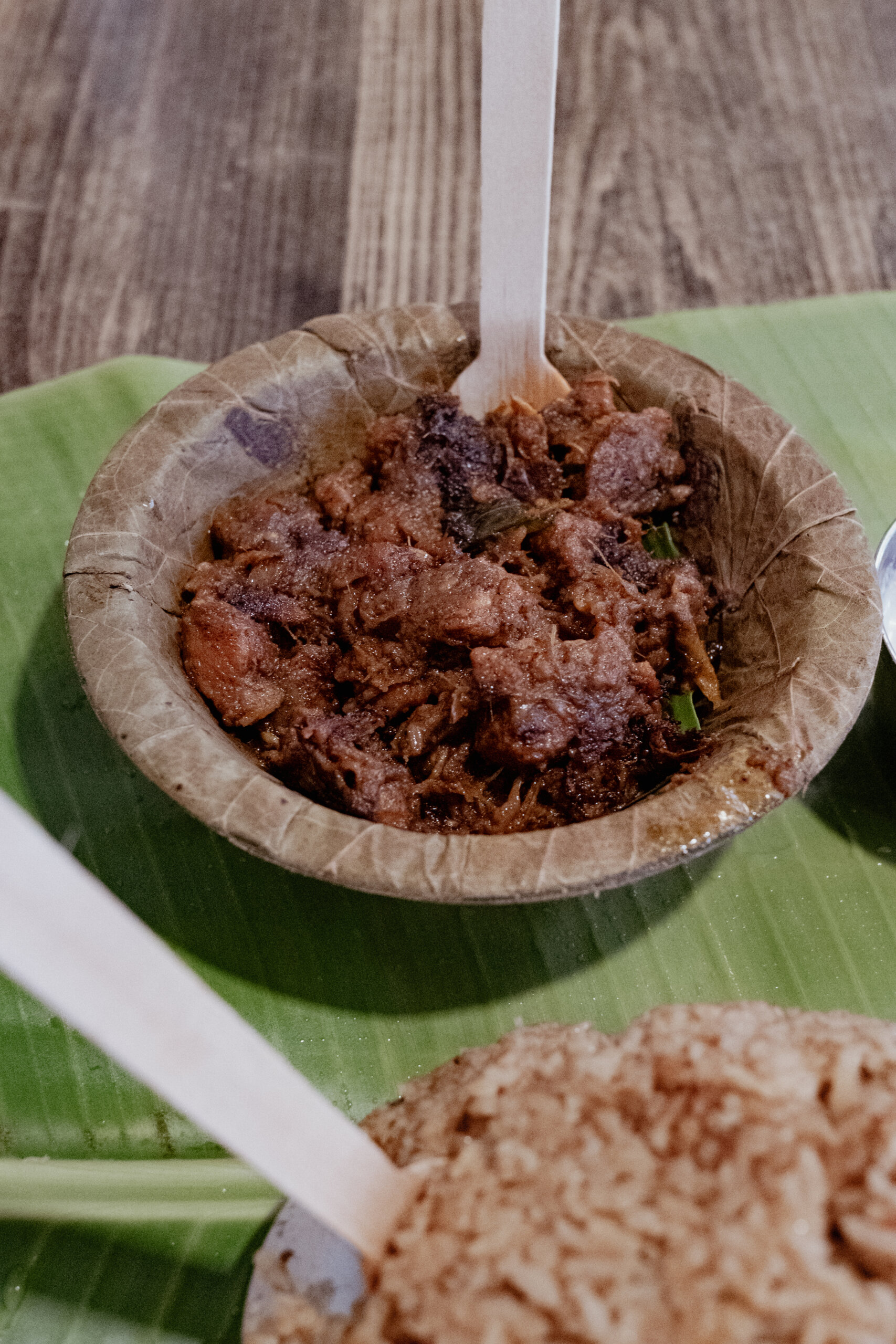
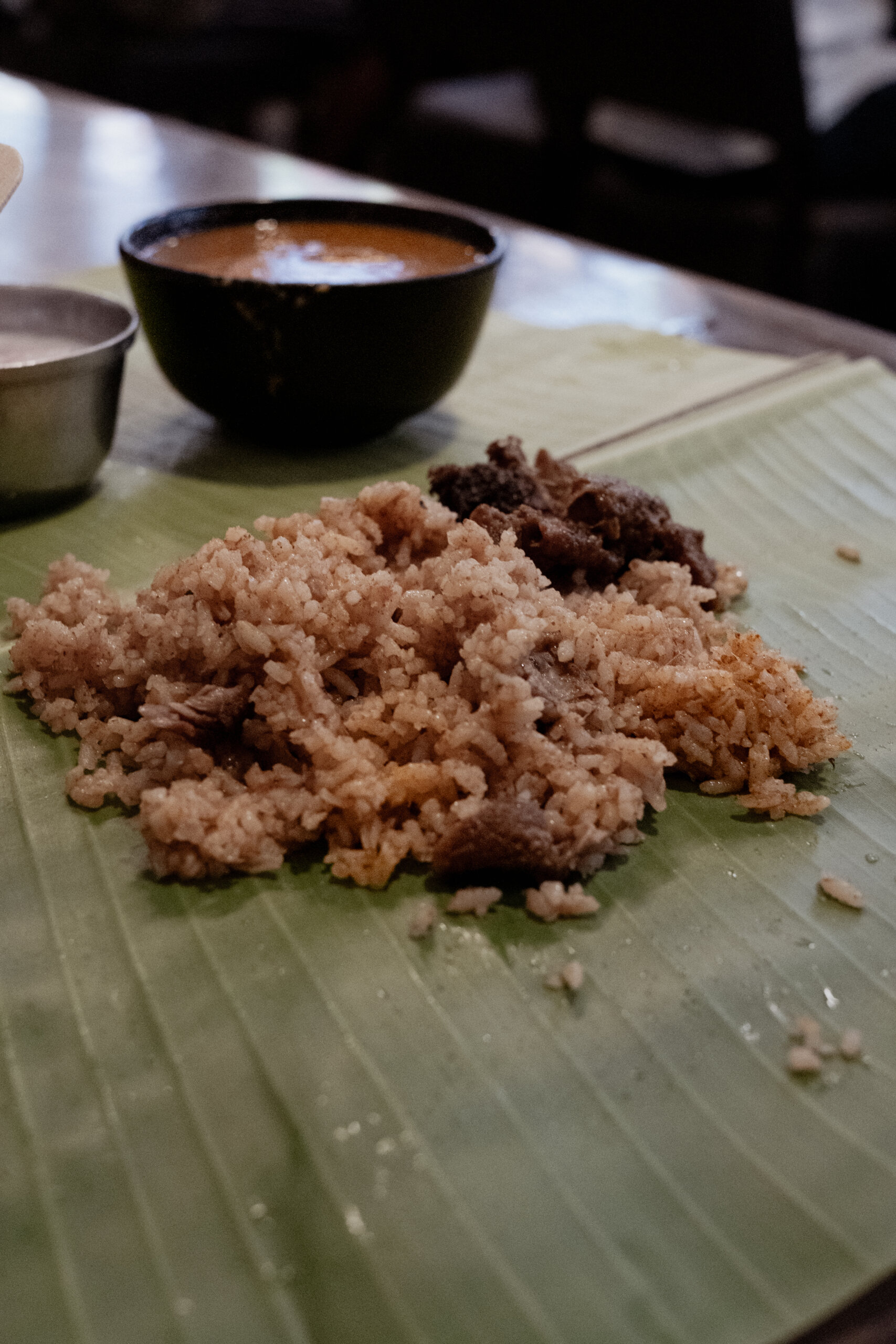
All I will say is that I enjoyed the food so much that I recommended the place to my brother and sister-in-law, and it ended up becoming their favourite of all the restaurants they had visited in Pondicherry.
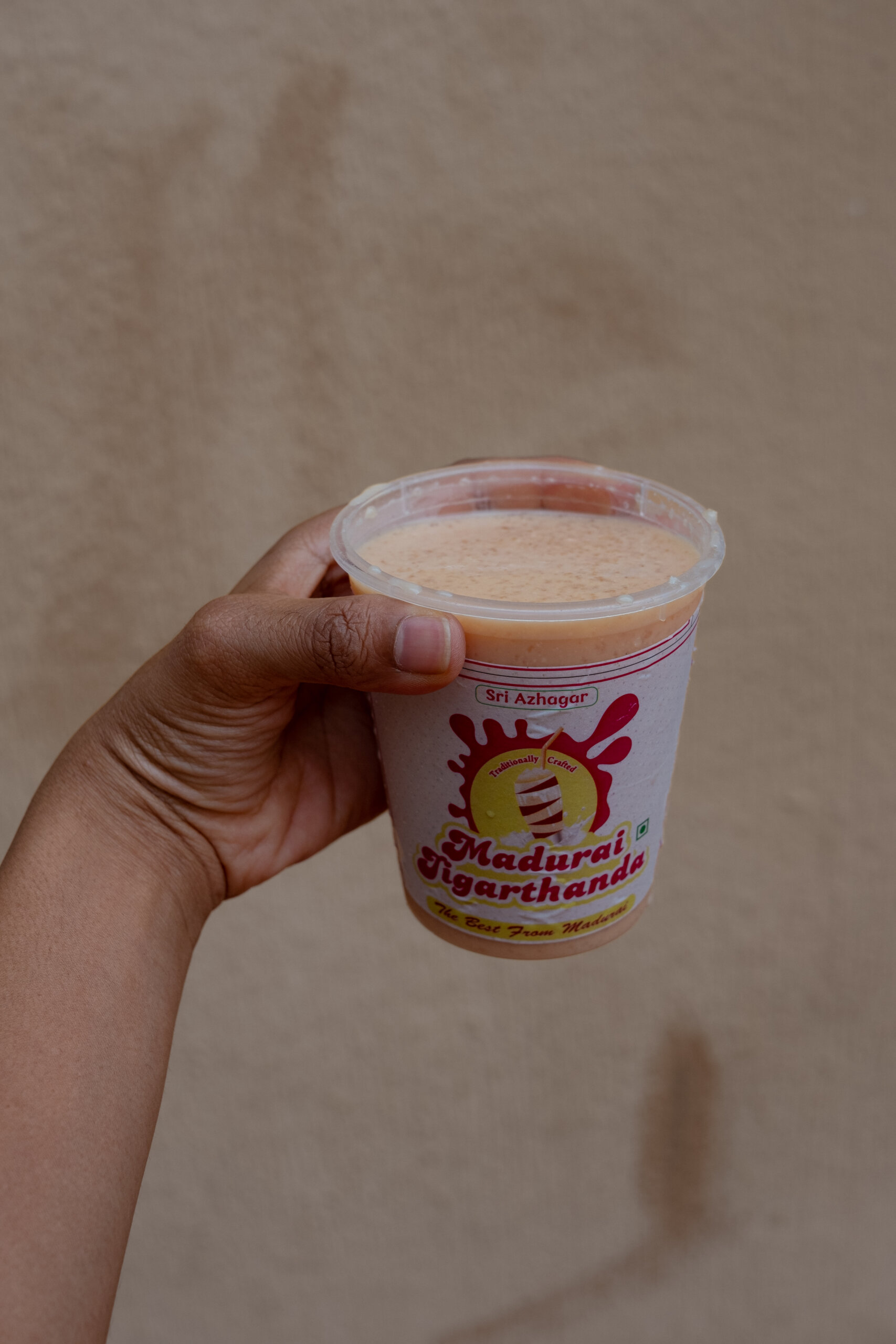
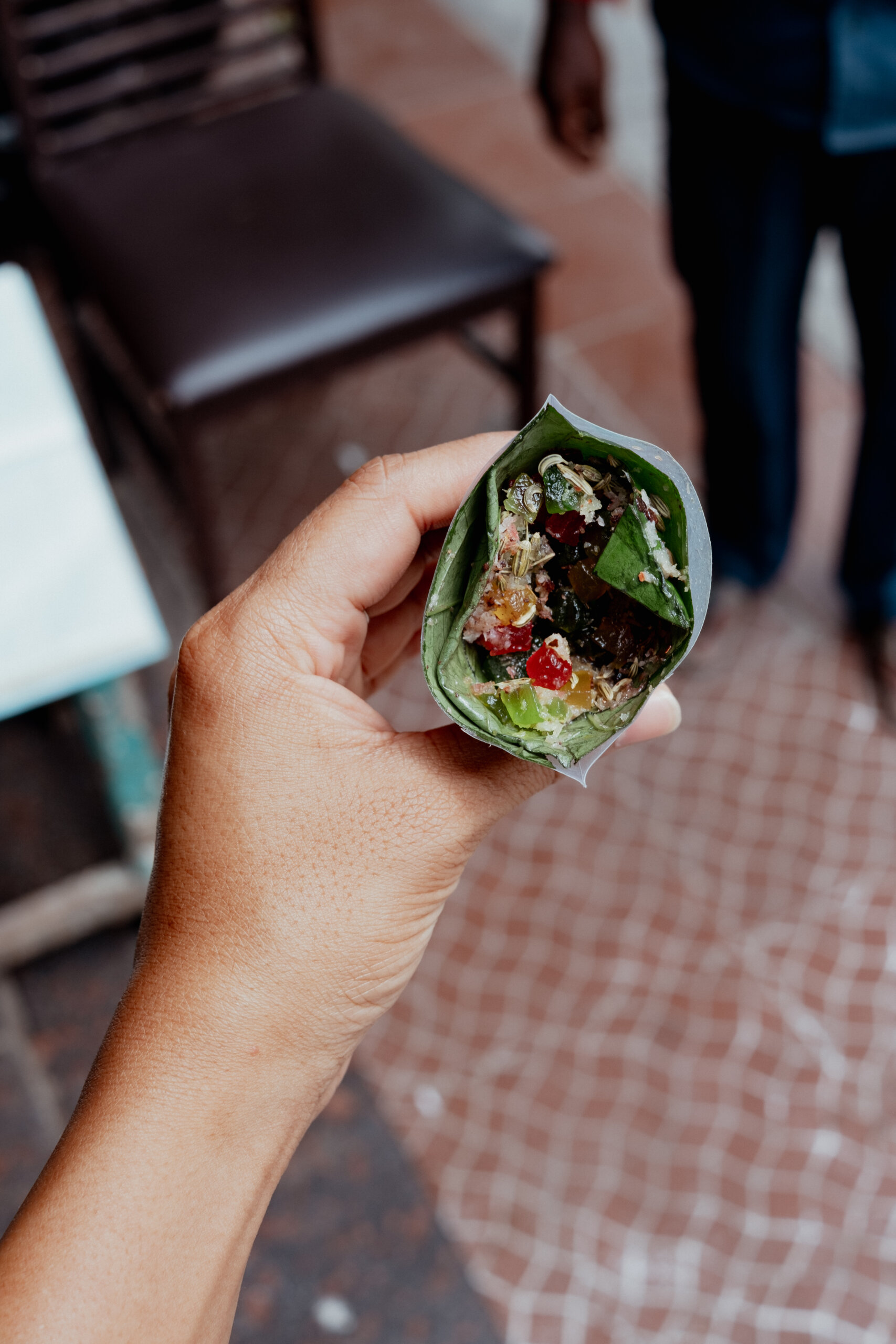
It’s a bit emotional to find a South Indian restaurant that stands out in Pondicherry, especially in comparison to the French and Indo-French eateries sprinkled liberally across White Town. There’s something about familiar flavours and foods that are delectably made, without any of the bells and whistles. It’s what I deeply appreciate about Indian food.
Le Cafe
Way back when, coffee houses were spaces for cultural conversations, politics-coloured engagements, and propaganda dialogues.
And of all the coffee houses in Puducherry, Le Café on Goubert Avenue is in a league of its own, more for its history than its fare. The oldest coffee house in the port town, it stands firmly on the ground where European traders—later colonials—stepped into Pondicherry in the early 1500s. The area was soon turned into a port, with the town’s Port office planting its roots by the seaside. Later, in the early 1950s, the Port office became a café—the first for Puducherry.
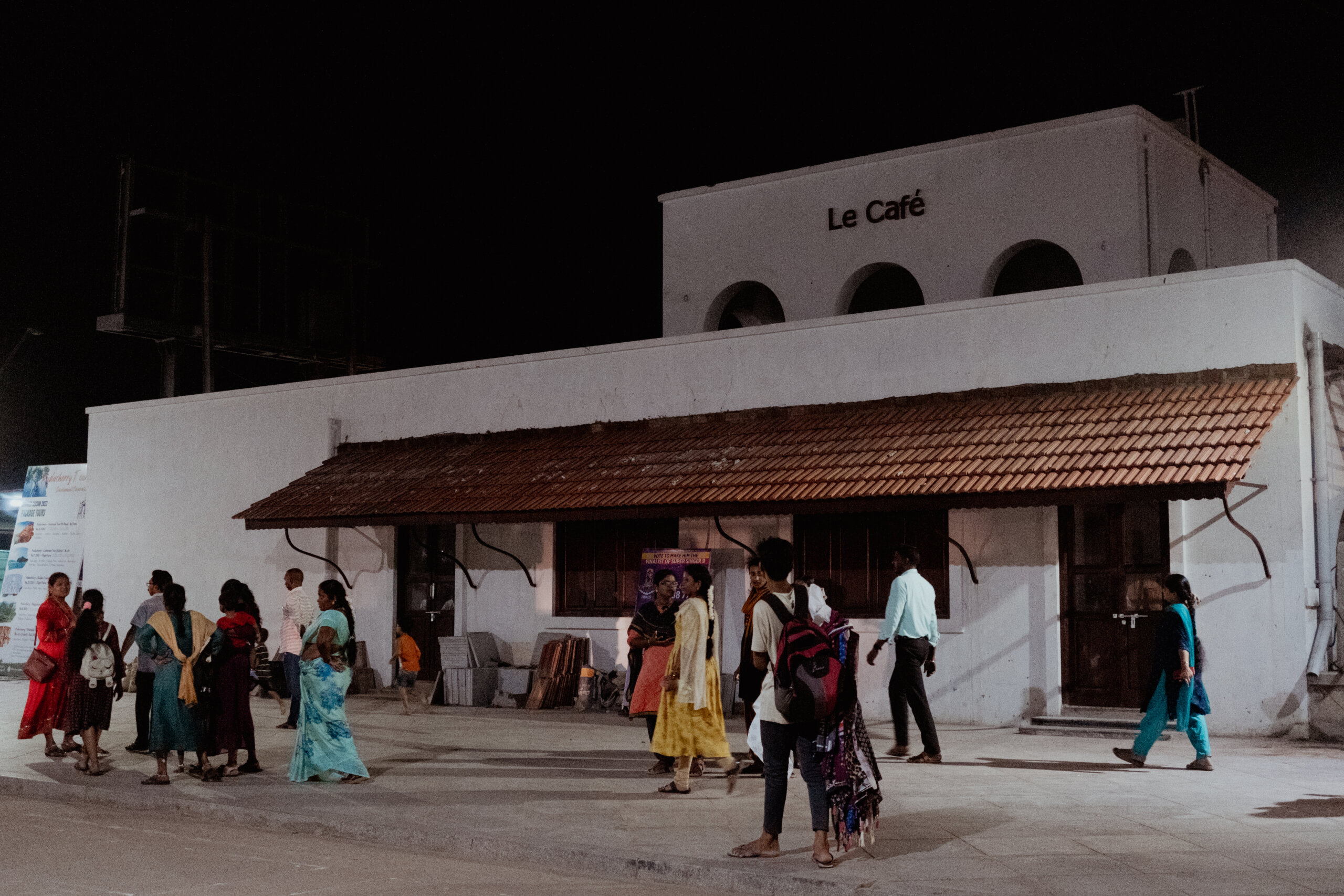
Cafes in Paris and in Pondicherry were frequented by the French elite as congregation spaces—in the former, intellectuals and those engaged in the arts would find havens, while in the latter, members of colonial powers found solace. However, as French dependency on desi traders and merchants began to grow, Indians found a place in cafes across Pondicherry. Conversations around governance, politics, arts, culture, and trade were conducted over cups of coffee.
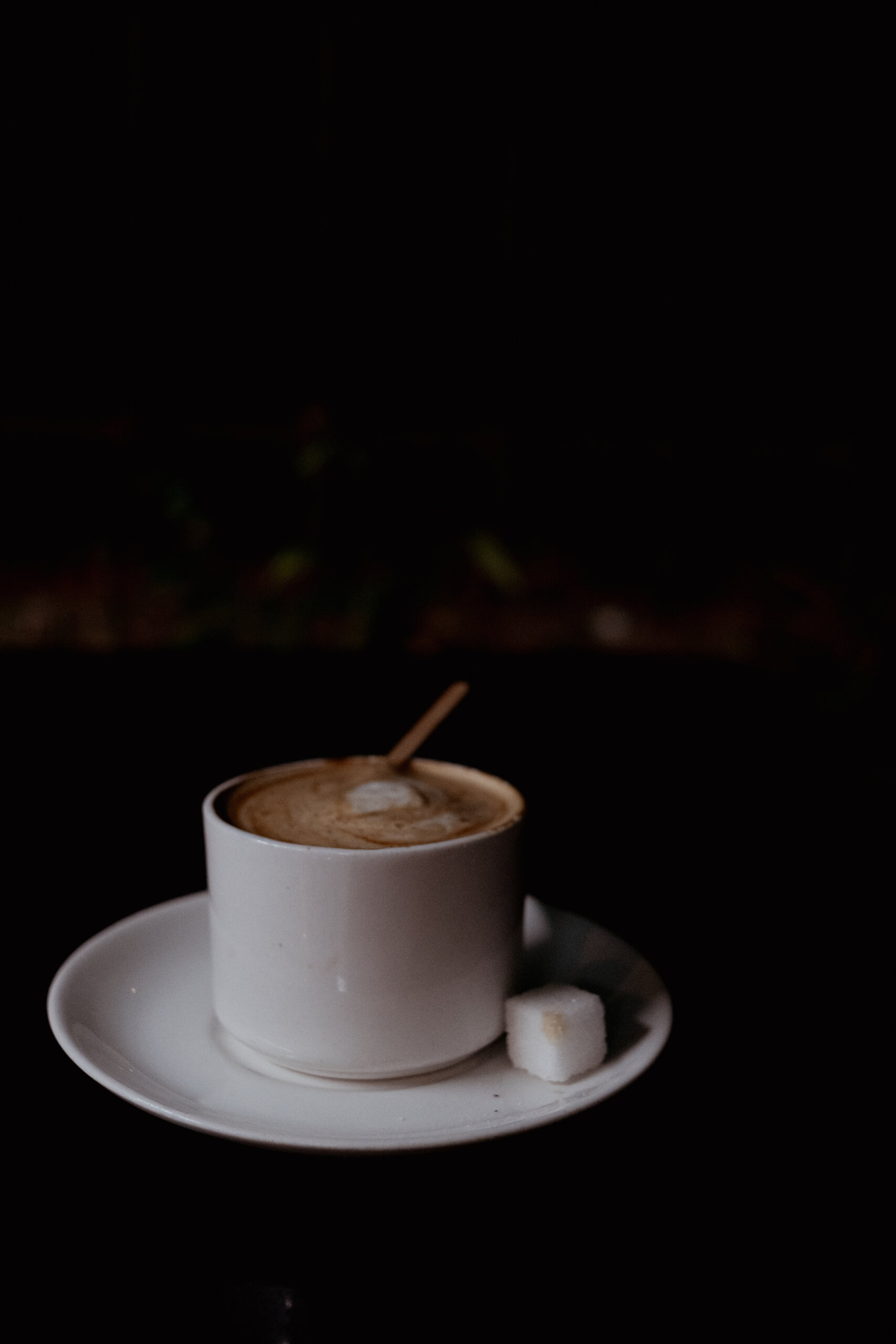
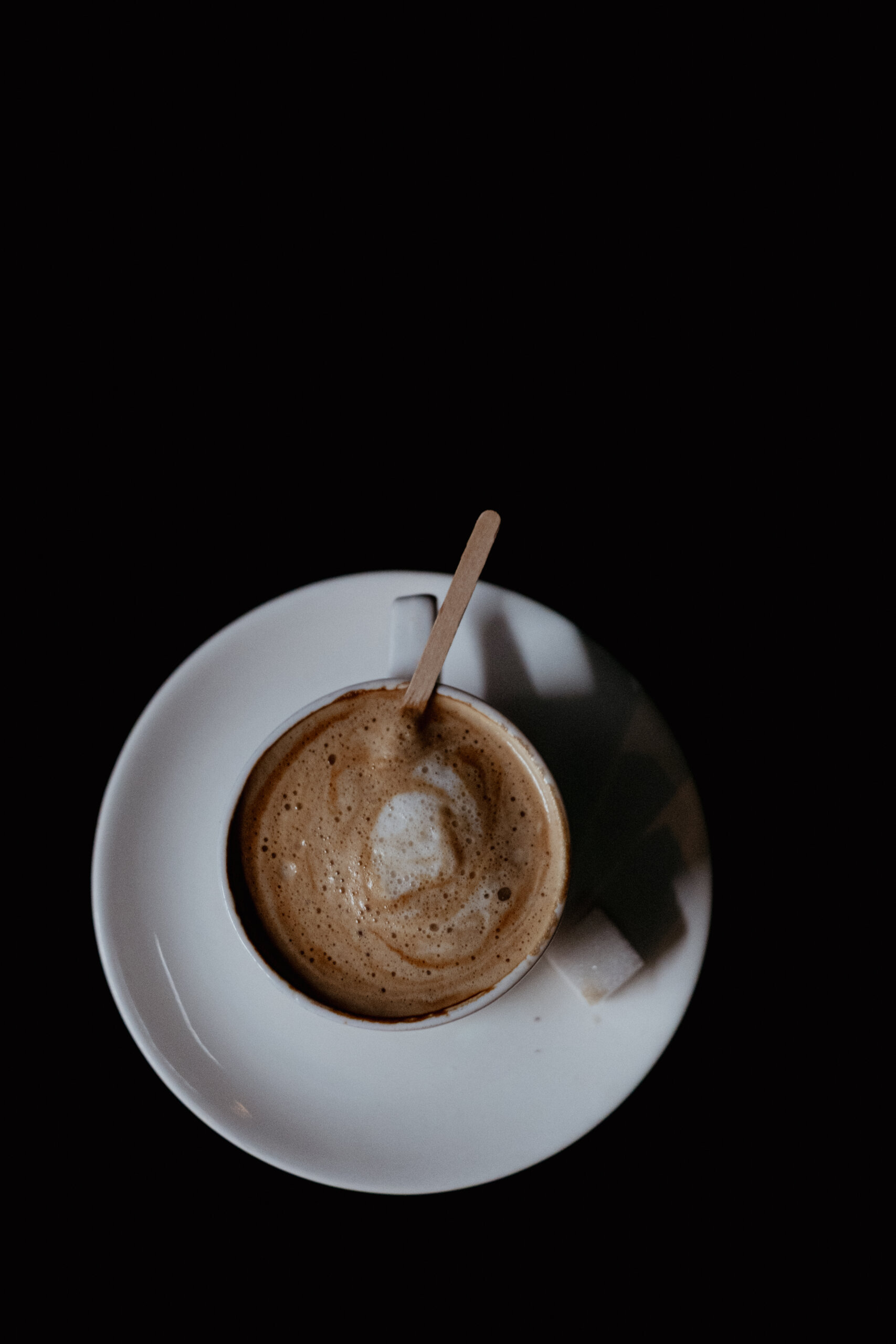
Today, the Pondicherry Tourist Development Corporation runs the café and provides employment to locals, while dishing out some age-old favourites like café cortado, pastries, and quiches, and India-forward nibbles like puffs, omelettes, and masala chai.
Grab a sea-facing seat, sip on your choice of coffee, and allow the legacy and history of the institution—a former port office, a current coffee shop—to wash over you.
Les Alizes
Palais de Mahe houses Les Alizes, their menu displaying a delectable fare spanning European and South Indian dishes.
Flavours mingle and dance a delicate waltz when cultures meet, and are somewhat forced to play along for over two hundred years. Pondicherry, in particular, was the ideal place for tastes, cuisines, and ingredients from various parts of the world to find balance. Indo-Chinese and Creole foods emerged in parallel with the independent French and Tamil tastes. And while people may not make space for each other due to differences that shouldn’t matter, food is something that nearly everyone, at one point or another, accepts and embraces.
Pondicherry is a case study in culinary harmony. This is more important today than at any other time, as India battles against the religio-cultural supremacy of one group over others. Food is, undeniably, a crucial part of a people’s identity. None of us, in the country and beyond its borders, should have to give up on what makes us whole.
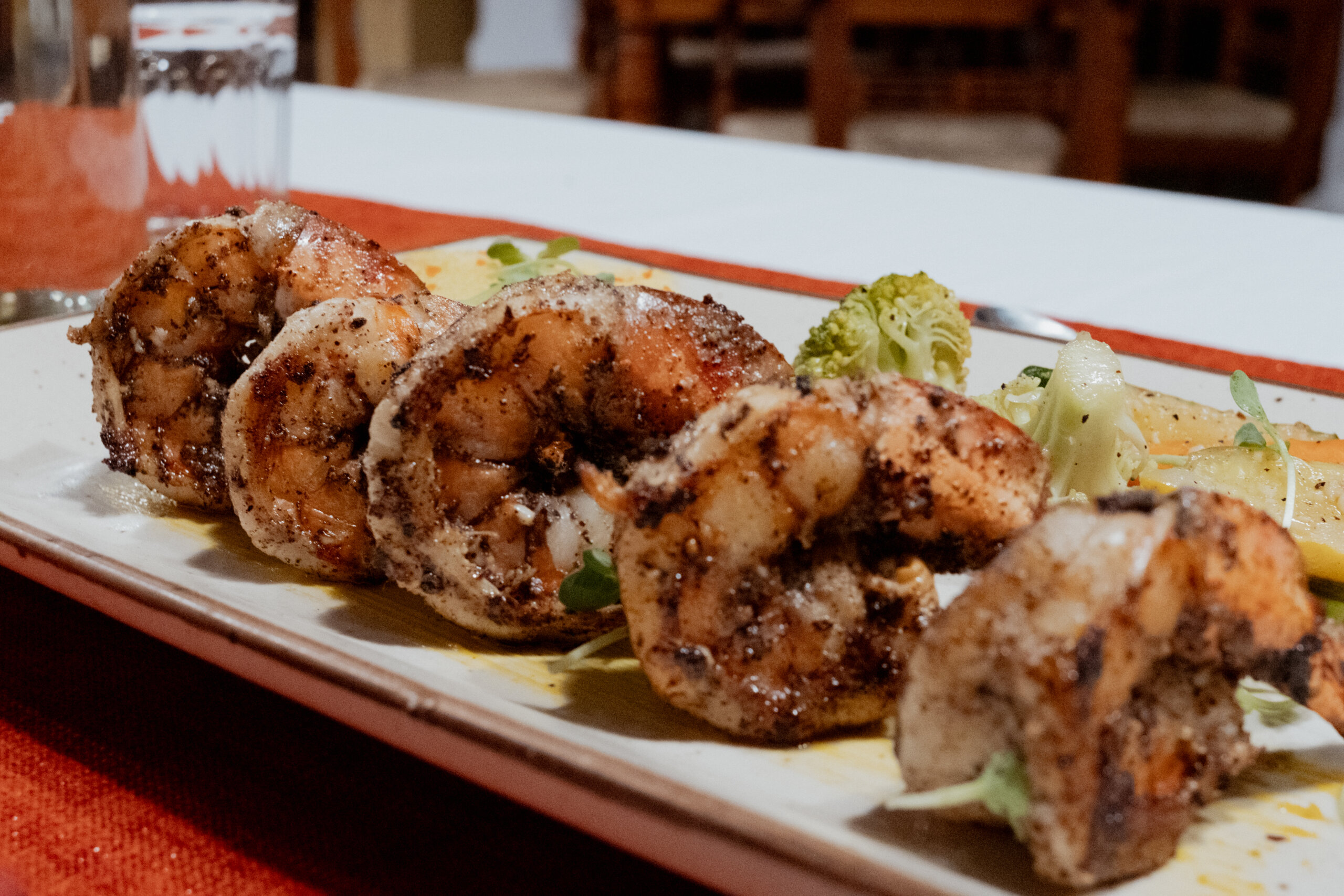
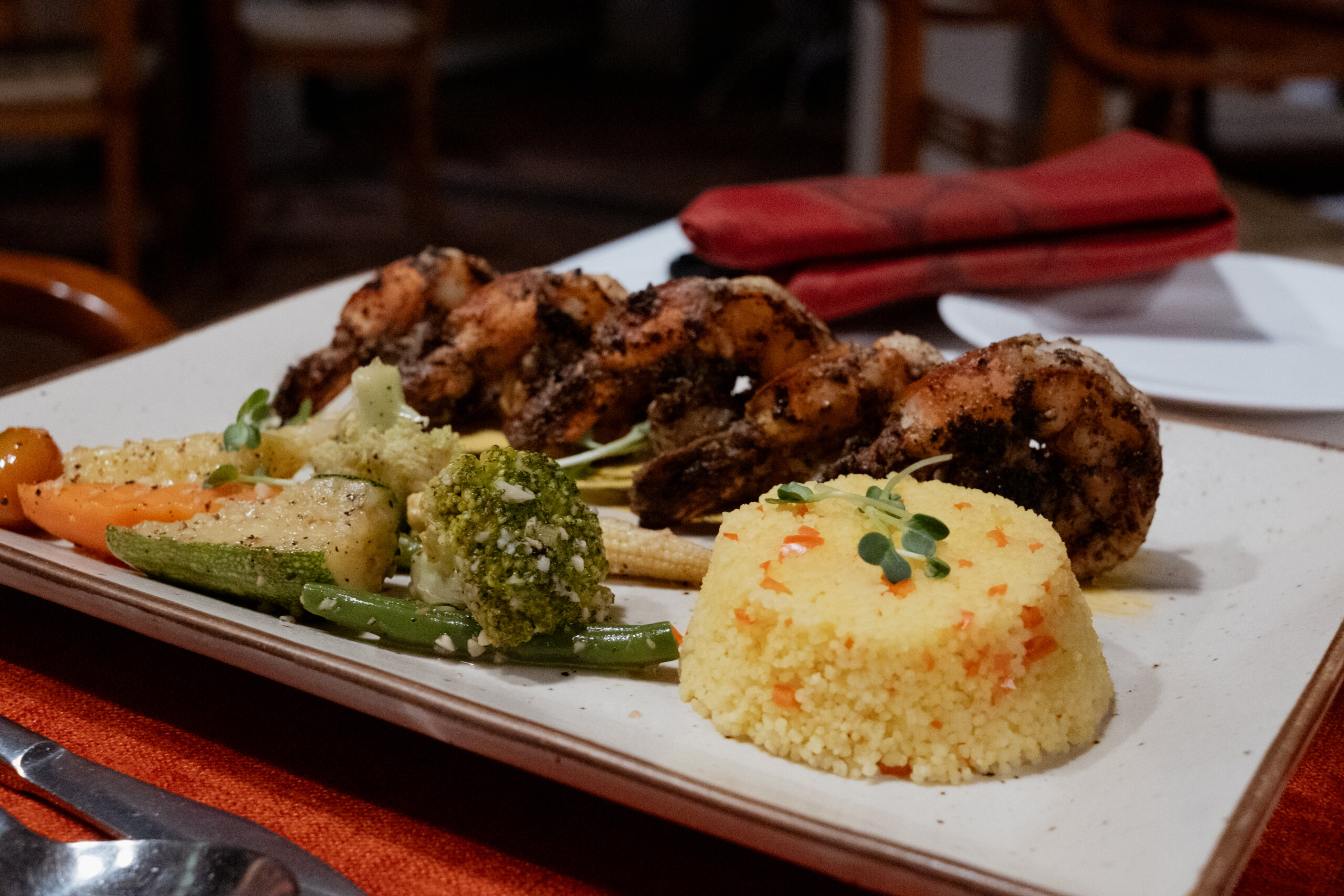
Which is why, for my dinner at Les Alizes, I ordered the Grilled Prawns with Sumac. As a Mangalorean by culture, seafood is inseparable from my identity. There was no better place and time to blend my gastronomic inclination with flavours that are distinctly Franco-Tamil. Plus, my order tasted divine.
For those who prefer a more Indian twist to their meal, I’ve been told by the staff that the Prawn Mango Curry is a good option.
Les Saveurs
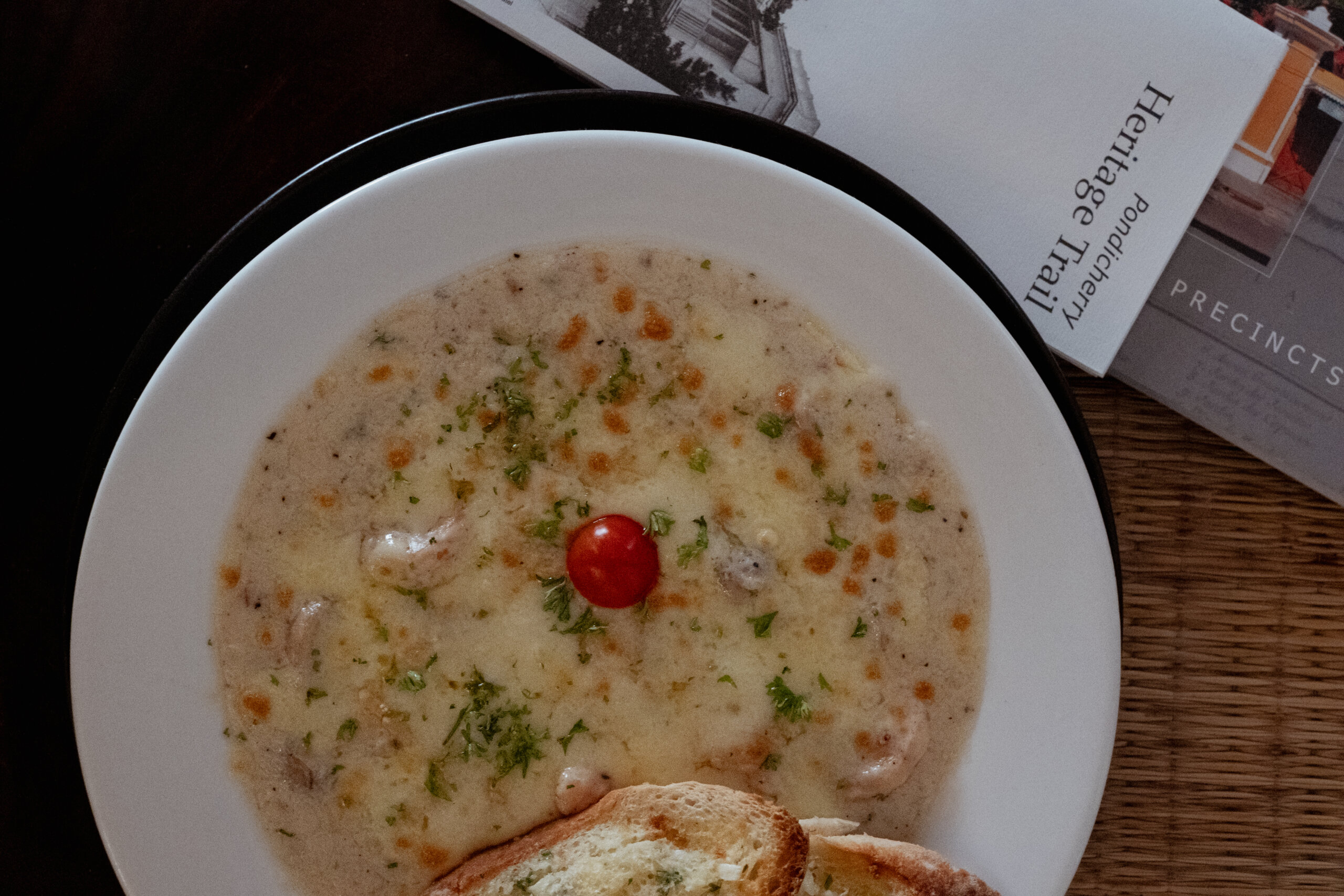
After a long morning at the INTACH office in the Tamil Quarter of Pondicherry, a comfort meal was mandated. Before I knew it, I took my two-wheeler to Rue Dumas, and got myself a table at Les Saveurs.
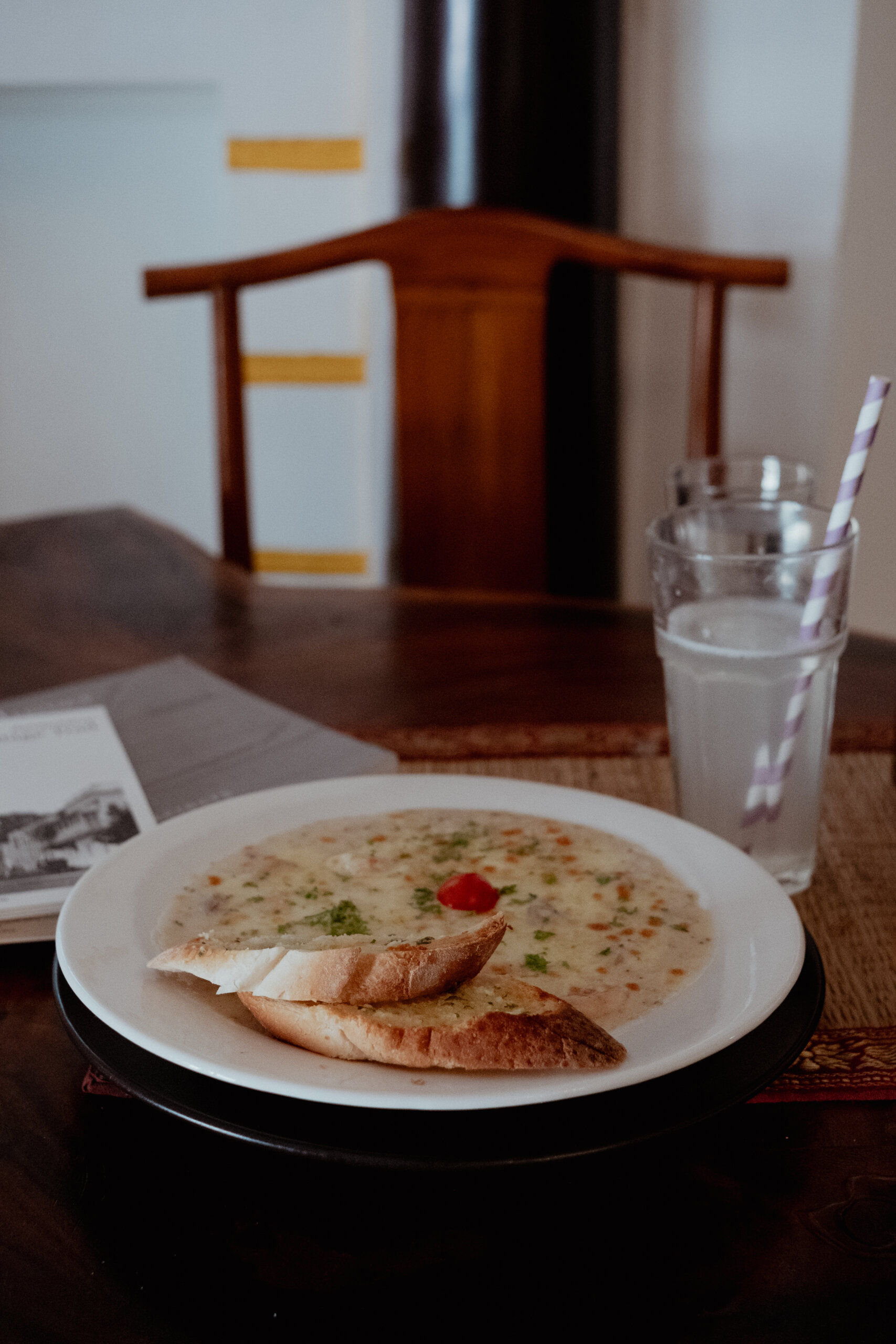
To me, comfort food means something hearty, something easy on the taste buds. No surprises then that I placed an order for Prawn Thermidor, and a lime water to wash it down.
Perfectly creamy and cheesy, the dish remains in my mind for how it danced on my tongue, and satisfied my hunger and fatigue in a manner unlike many dishes. Dairy can do that when used right.
While purely Tamil fare does not employ dairy, French food may use it liberally, whether it’s buerre (butter), creme (cream), fromage (cheese), yaourt (yoghurt), or lait (milk). Thermidor uses cream, butter, and cheese, making it a nightmare for a lactose-intolerant diner; but if you can make peace with the dairy overload, Les Saveur’s Prawn or Lobster Thermidor is something I’d always recommend.
Nalla Thambi Mess
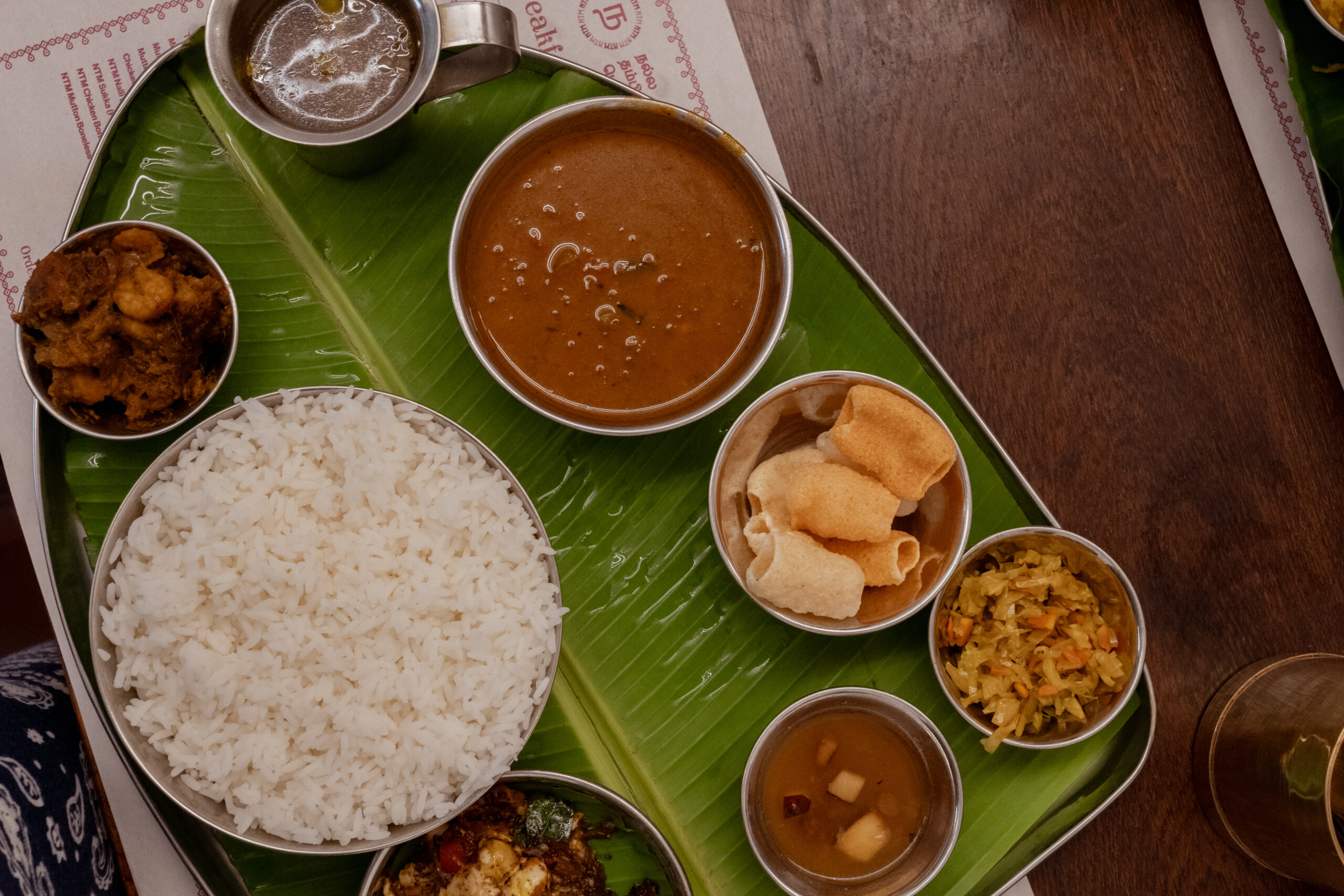
Limited seating, limited serving hours, no reservations, unlimited chef’s kisses—is how I’d describe Nalla Thambi Mess.
Serving heritage Tamil cuisine, the proprietors are immensely proud to be plating ‘purely non-veg’ food at Nalla Thambi. The combination of mouth-watering ingredients and warm spices would’ve had the colonizers—whether French, British, or Dutch—running for their lives back to their home bases. But since I’m none of them, I got myself a Mutton Brain Masala and a Prawn Lunch.
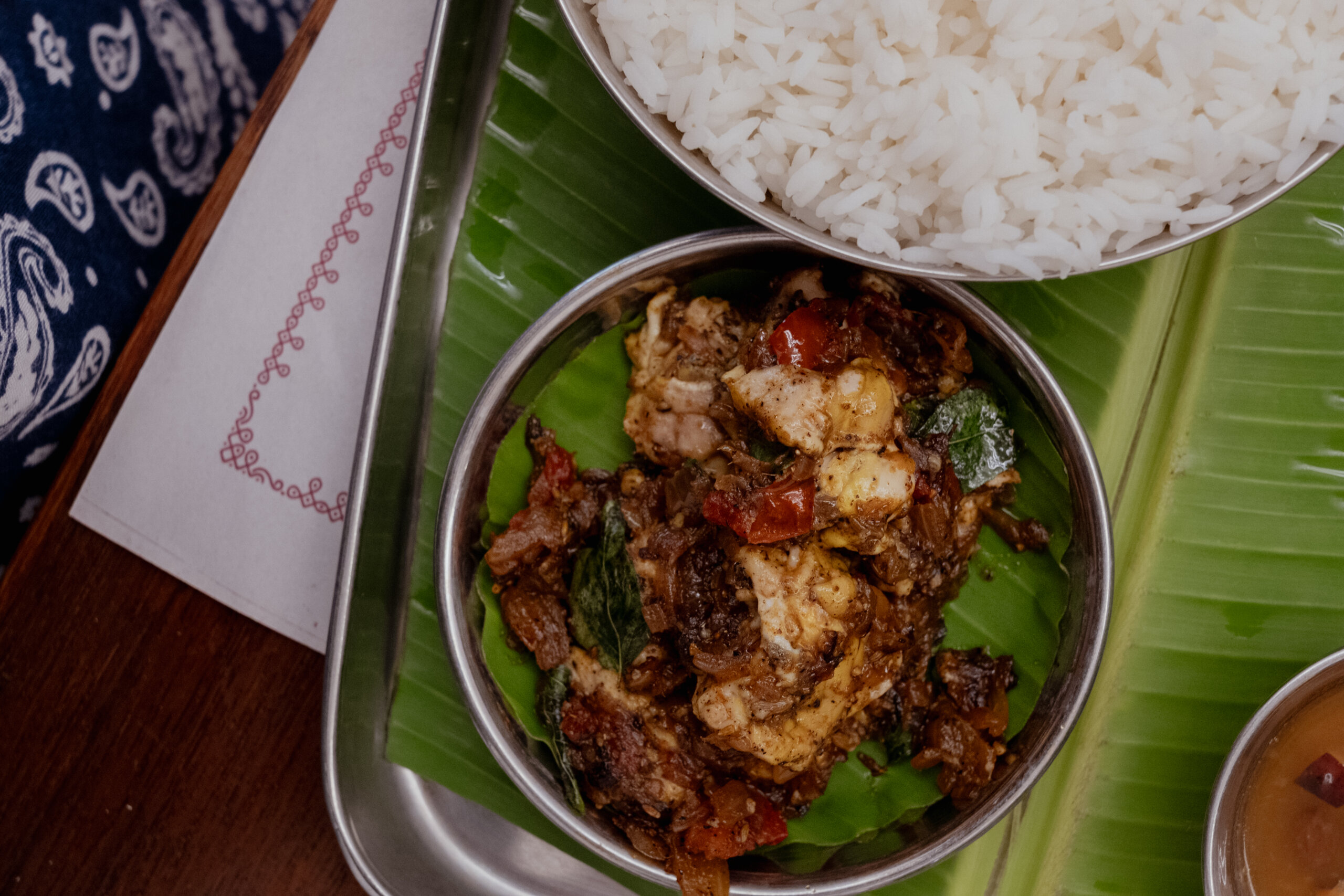
The restaurant is worth standing in the queue if you can’t make it in time to be one of the first to be seated.
Suggested read: My piece on the Tamil Quarter in Puducherry, for Paper Planes
Nowana
A friend I made at The Storytellers’ Bar in The Promenade put me onto Nowana, a Korean restaurant in Auroville. She wouldn’t stop raving about the food, so I made my way one evening into the dark, unlit streets of Auroville to taste the food for myself.
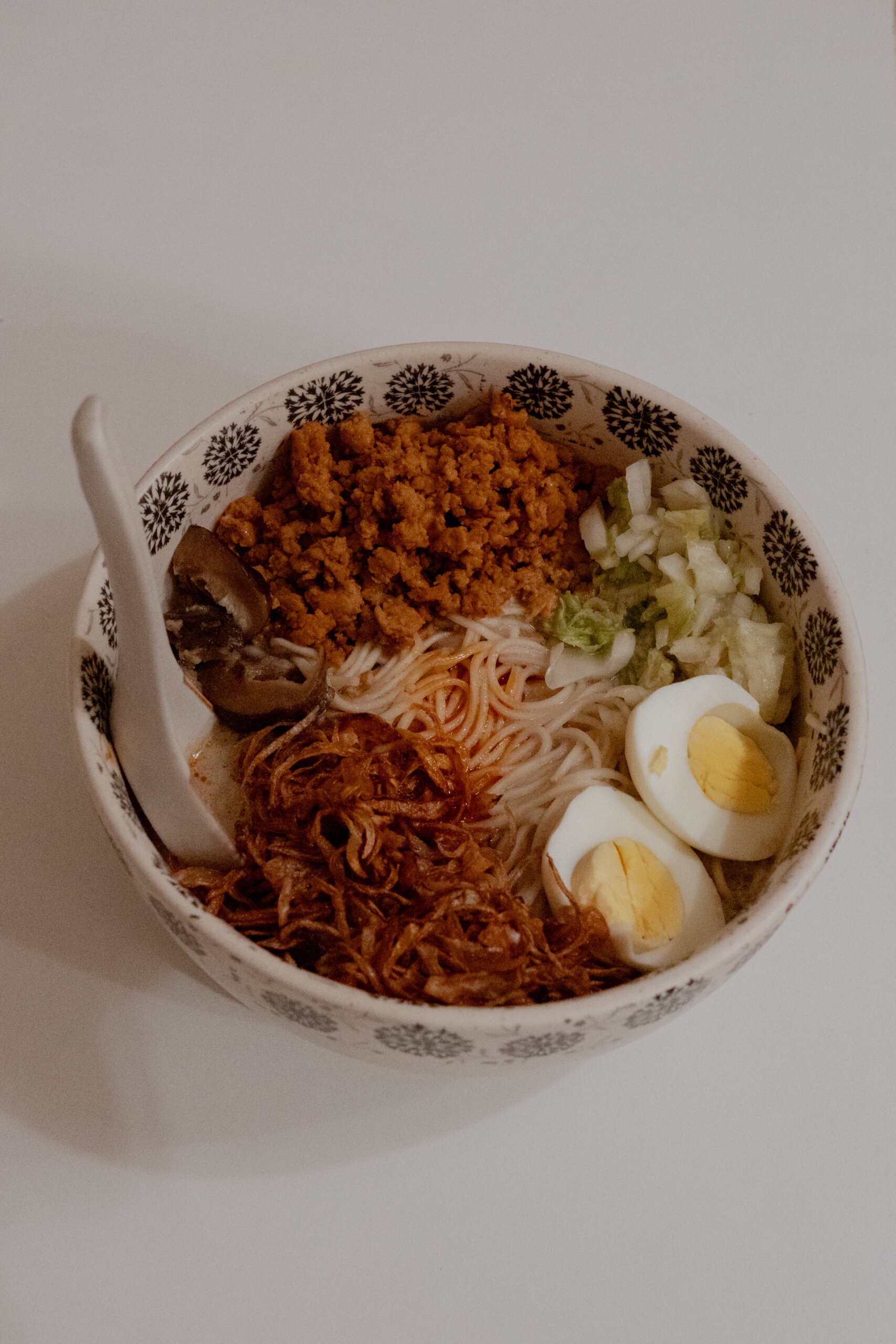
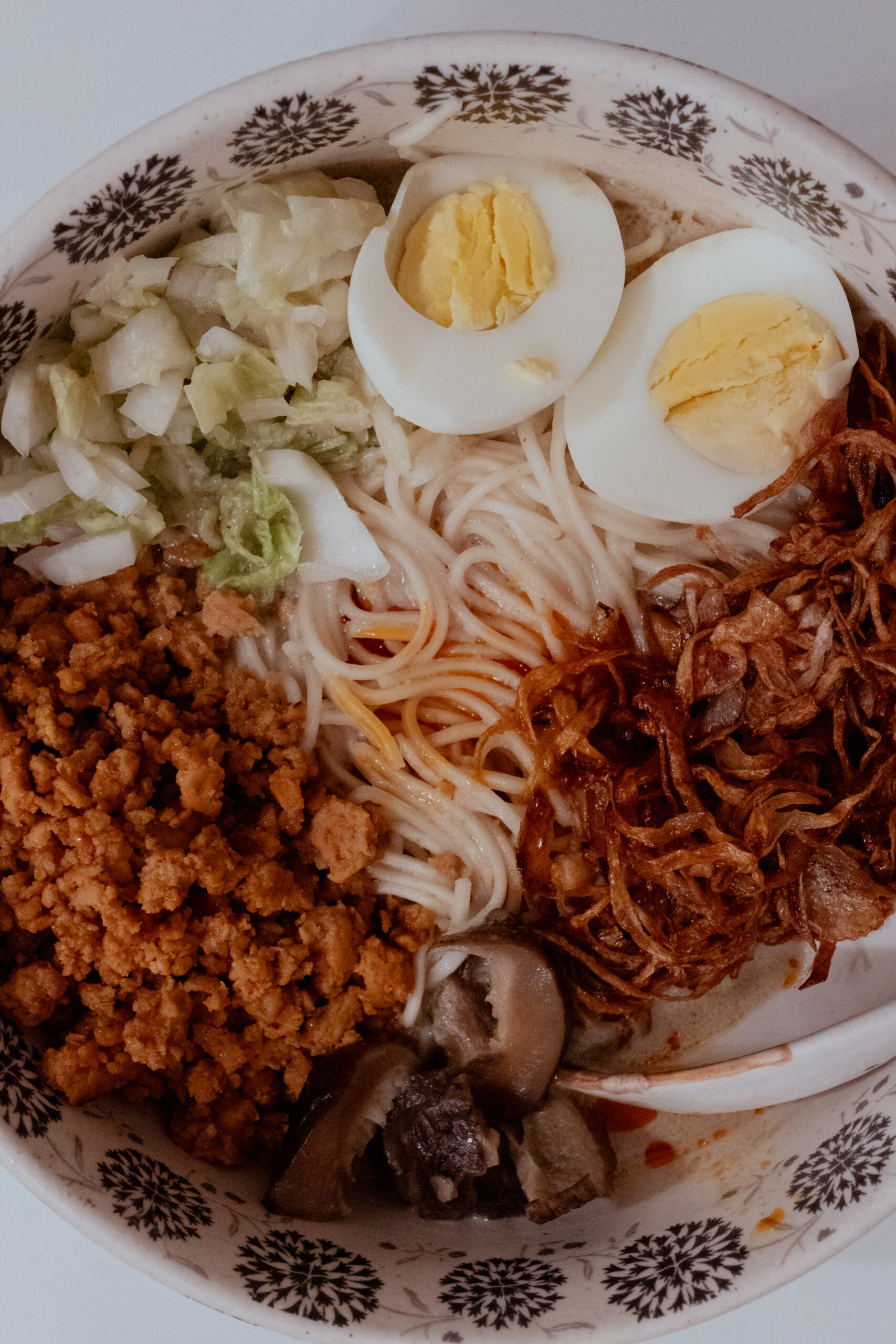
She wasn’t wrong in her praises. For dinner that night, I tucked into a bowl of Fresh Ramen. The quantity was more than I could stomach, sure. But it’s the flavours and the freshness of the ingredients that took me by mild surprise, mostly because I did not expect to find superlative ramen in the middle of Auroville.
While slurping the noodles and biting into the crispy onion slivers, I thought about the similarities between Korea and India, primarily the similarities between Korean and Tamil.
Both languages have hundreds of words that are the same or similar. There are clear similarities in syntax, sentence structure, and many other grammar principles. The languages’ likeness may find their origins in shared ancient maritime and trade routes, and thereby cultural mingling. I also read that Princess Suriratna from Ayodhya had travelled to Korea in 48 AD, and became Queen Heo Hwang-ok through her marriage to King Kim Suro.
As I drank the last bit of broth and drained the ramen bowl dry, I couldn’t help but marvel at the connections that exist across the globe, and the complex tapestry that our shared histories have woven onto the fabric of global geopolitics and culture, and by virtue of that, our foods.
Sakura Sushi
Auroville never fails to surprise me with its eateries—whether it’s a cafe, a breakfast nook, a pizzeria, or, in this case, a sushi restaurant. In many ways, Auroville has more multicultural affiliations—it has some thirty restaurants—in terms of cuisine than Pondicherry.
Before it was heartbreakingly blocked by an ice-cream shop, the wall of Sakura Sushi was much talked about for its mural—an elderly Tamil woman grinning a near-toothless grin, holding chopsticks with a maki between them. I had passed by the mural several times during my day trips to Auroville, so I finally decided to rest my curiosity, call Sakura Sushi to make sure they were open, and reserve a table for a solo date.
It’s quiet inside, and the only other person there is Mr. Ravi, an Auroville resident. German by birth, he moved to the township after spending some time in Japan learning how to make sushi.
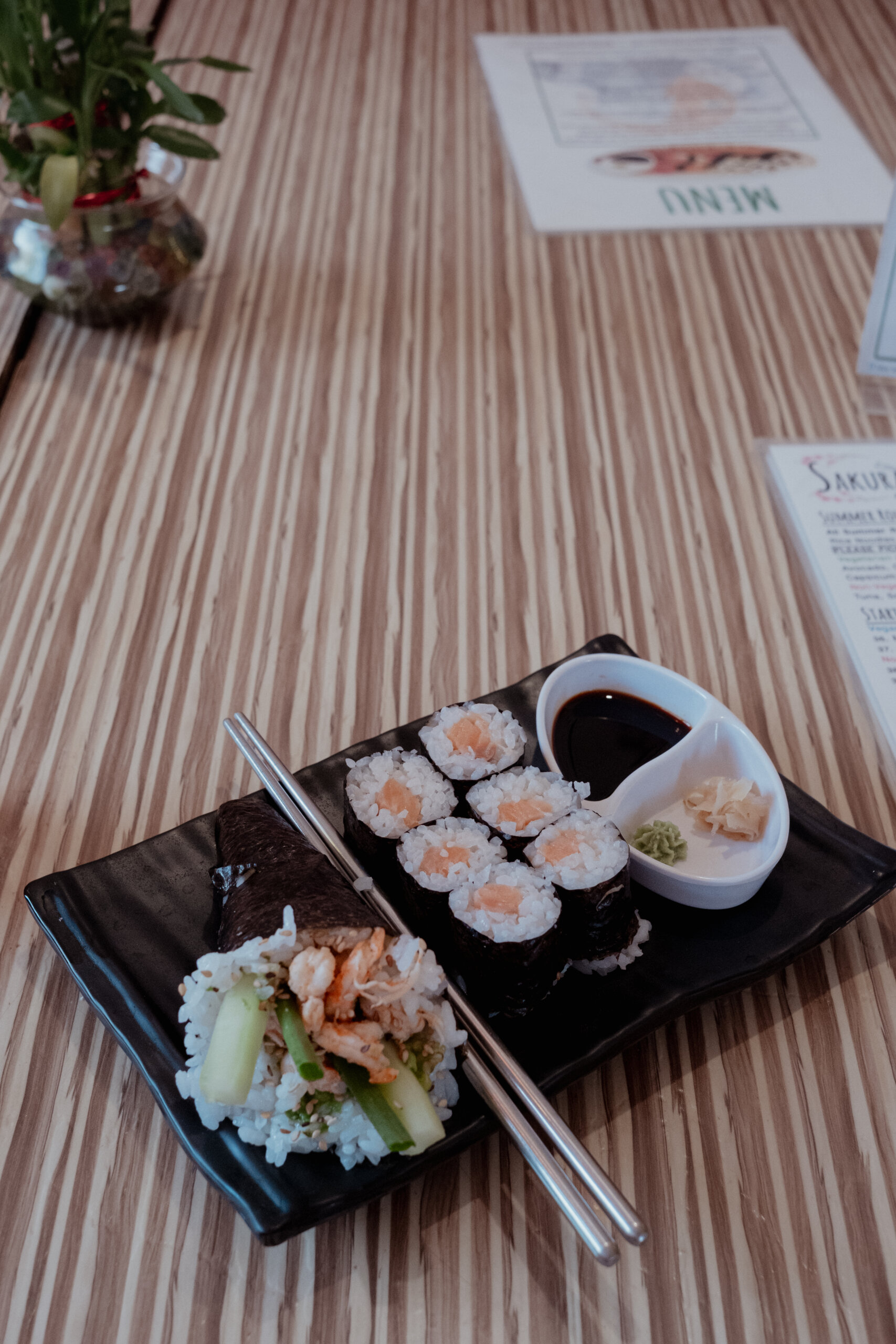
On his recommendation, I ordered Salmon Maki and Shrimp Temaki Sushi—both finely made and delightful to eat.
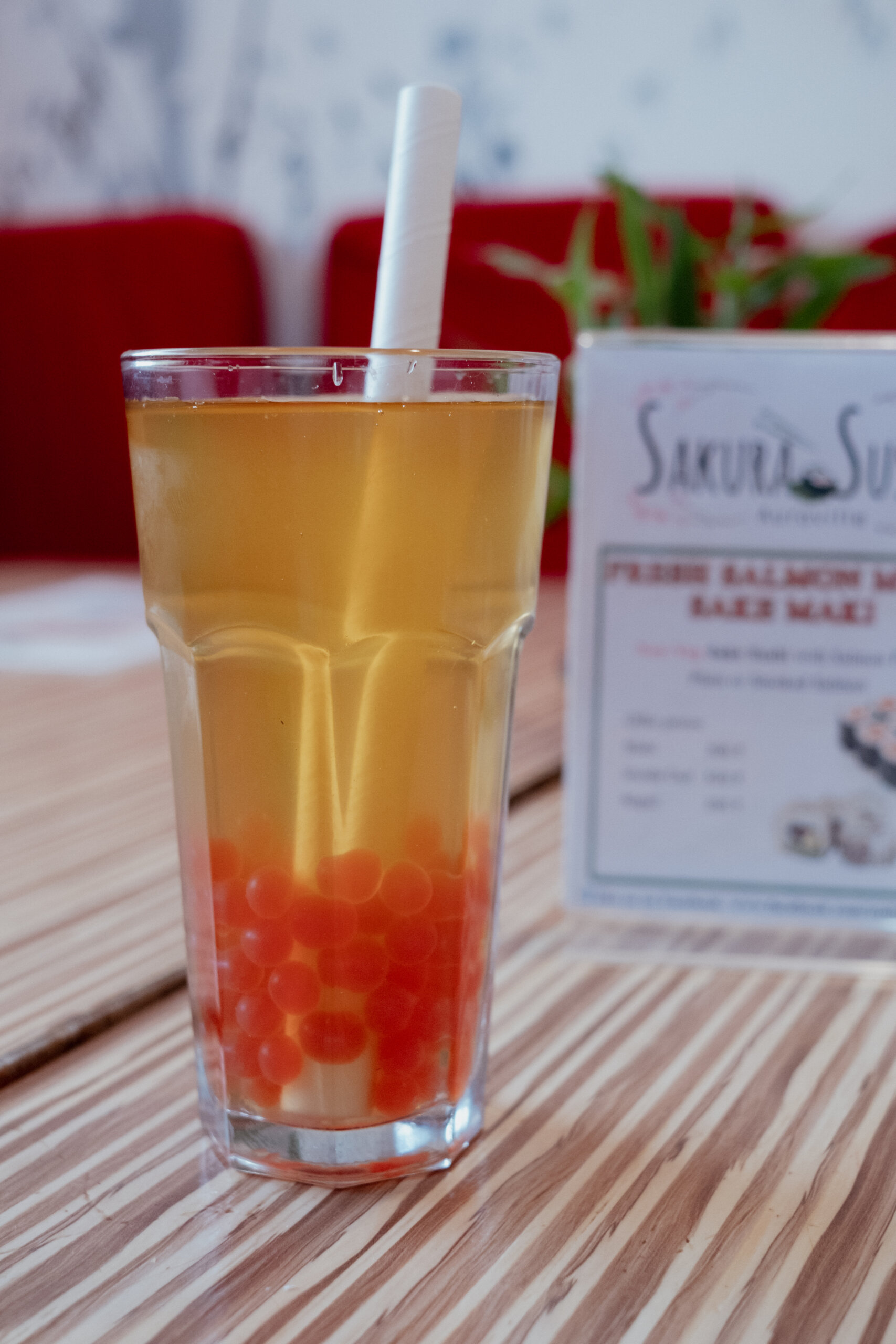
To hydrate on that hot summer afternoon, I tried their Green Tea Boba with Passion Fruit and Pomegranate Pearls.
Auroville’s “The Mother” had travelled to Japan in 1916 and stayed on till 1920. So, it makes sense that there would be a sort of homage paid to her journey, through that which is a typifier of Japanese culture—their food.
You may still find the mural when you visit Auroville. I only wish that it weren’t partially covered by the plastic corrugated roof of the ice cream parlour.
The Smoothie Bar
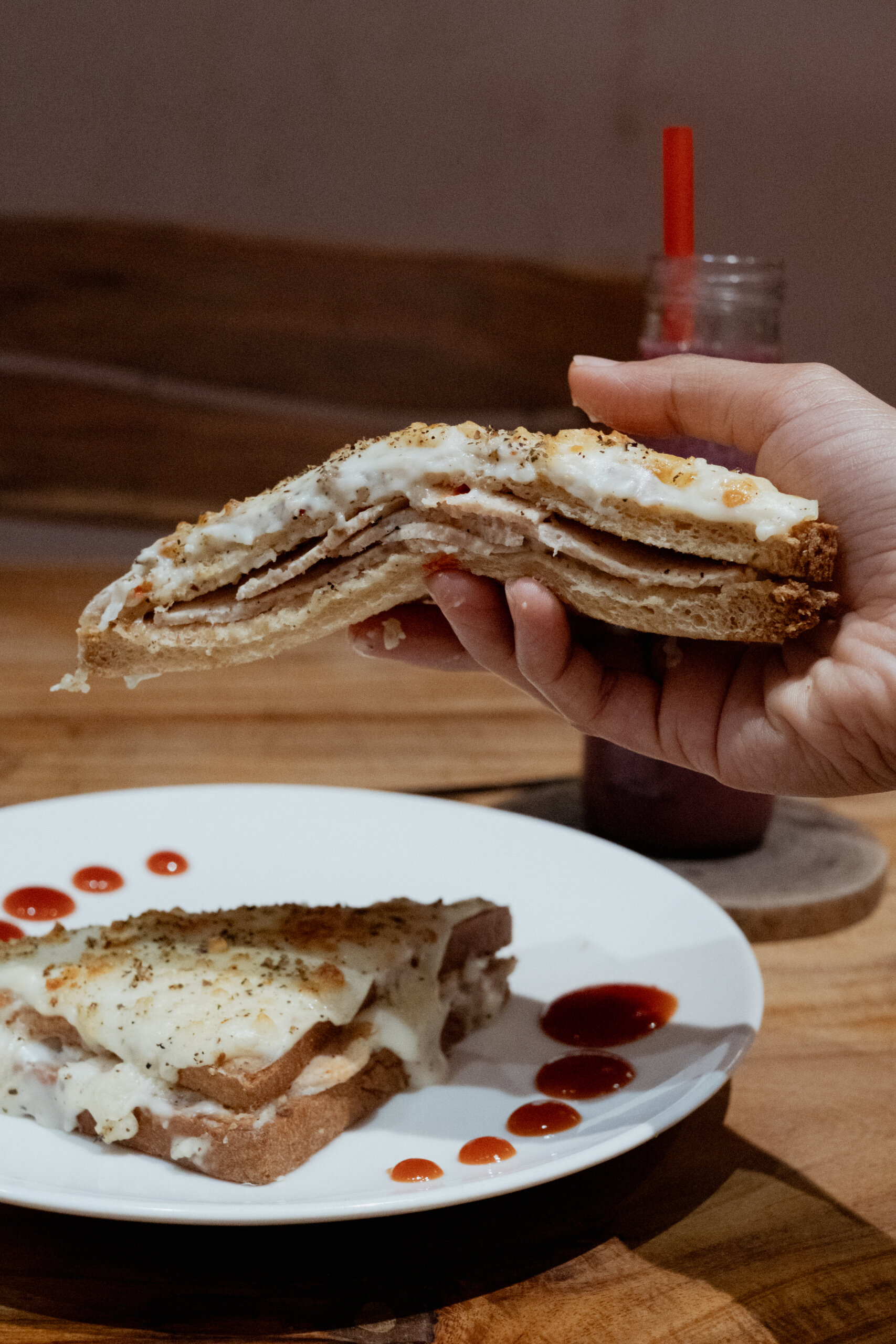
I’m sure there are better places in Pondicherry (like Cafe Des Arts) to get a Croque Monsieur—ham, cheeses, and bechamel sauce galore—it doesn’t get more indulgent than that! But I was tired and hungry, exhausted from the worry and fear I felt on account of my stalker, and so I walked into The Smoothie Bar—the first place that showed up on my phone.
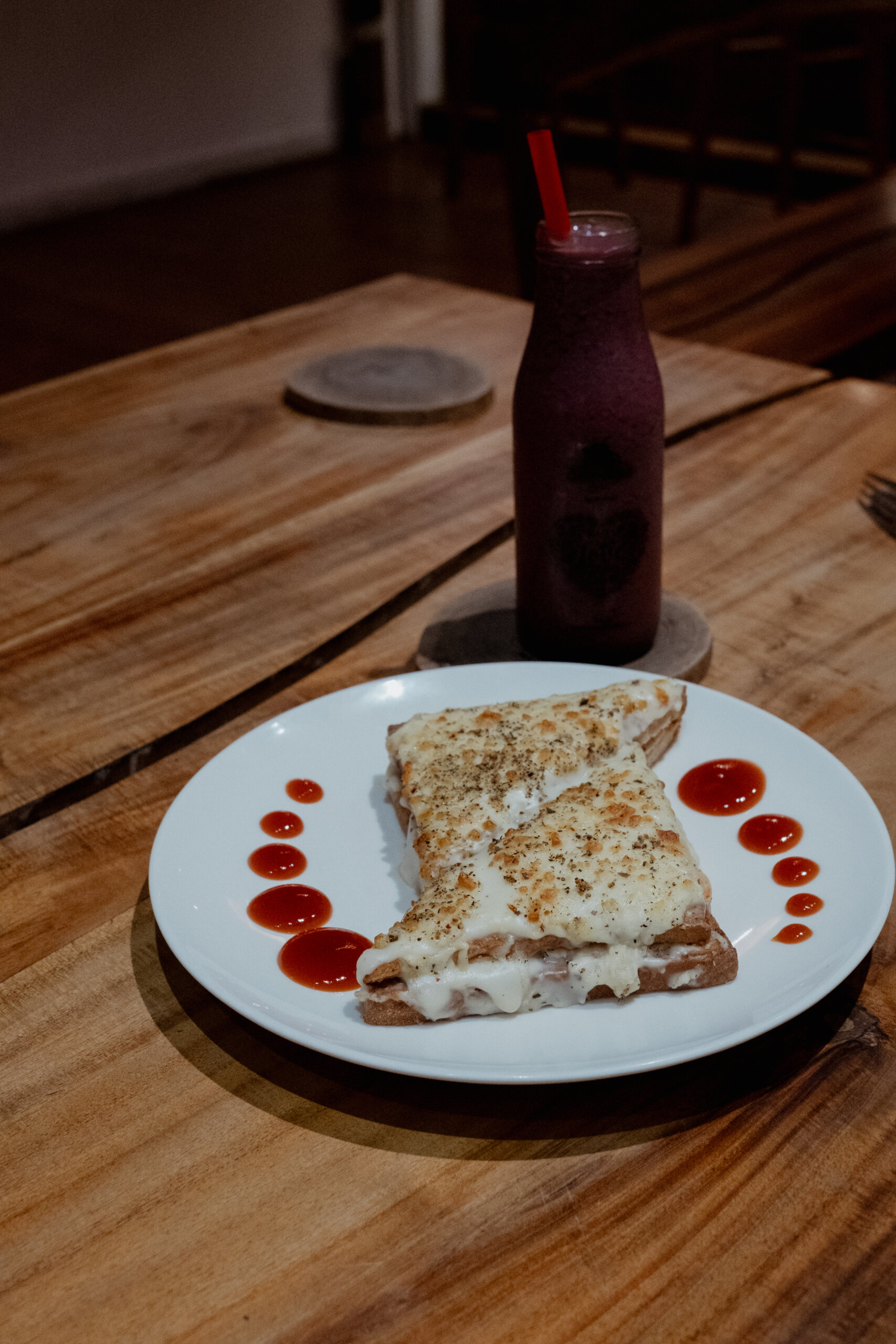
The Titan Smoothie and Croque Monsieur I ordered were not bad at all. The sandwich was a cheese overload and heavy, unlike the delicate balancing of flavours that I expected a Croque Monsieur to have. Still, I was grateful to replenish my energy reserves.
Would I recommend The Smoothie Bar? Sure. As I said, it’s not bad, and serves the purpose if you’re looking for a decent snack.
Sola
I’m not the biggest fan of wine, so when I decided to drink and dine at Sola, I knew that a vino wouldn’t work. I relish drinks that have a little something—a spice, a sourness, an acid perhaps. Something to awaken the taste buds before the food graces my palate—my own version of an apéritif.
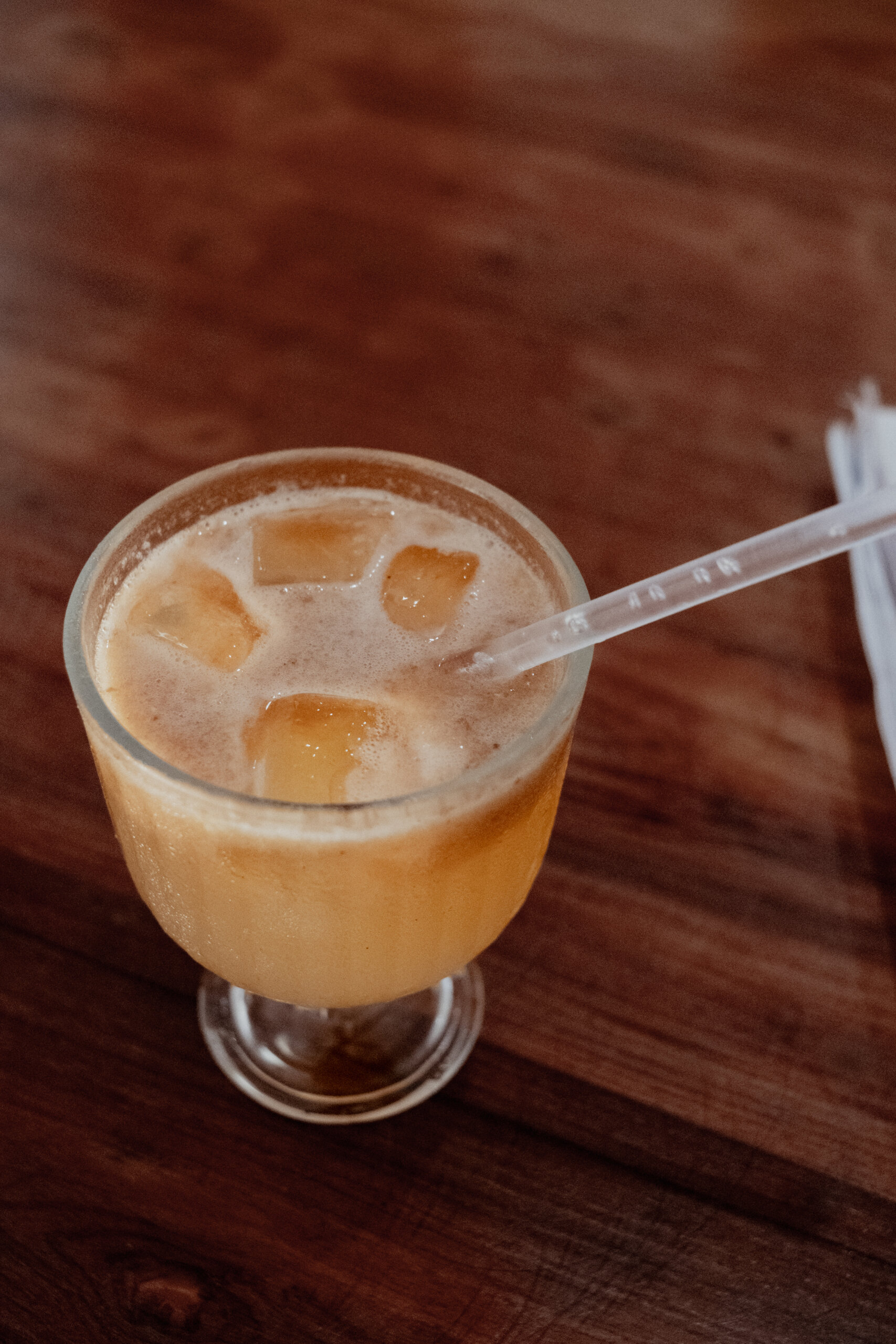
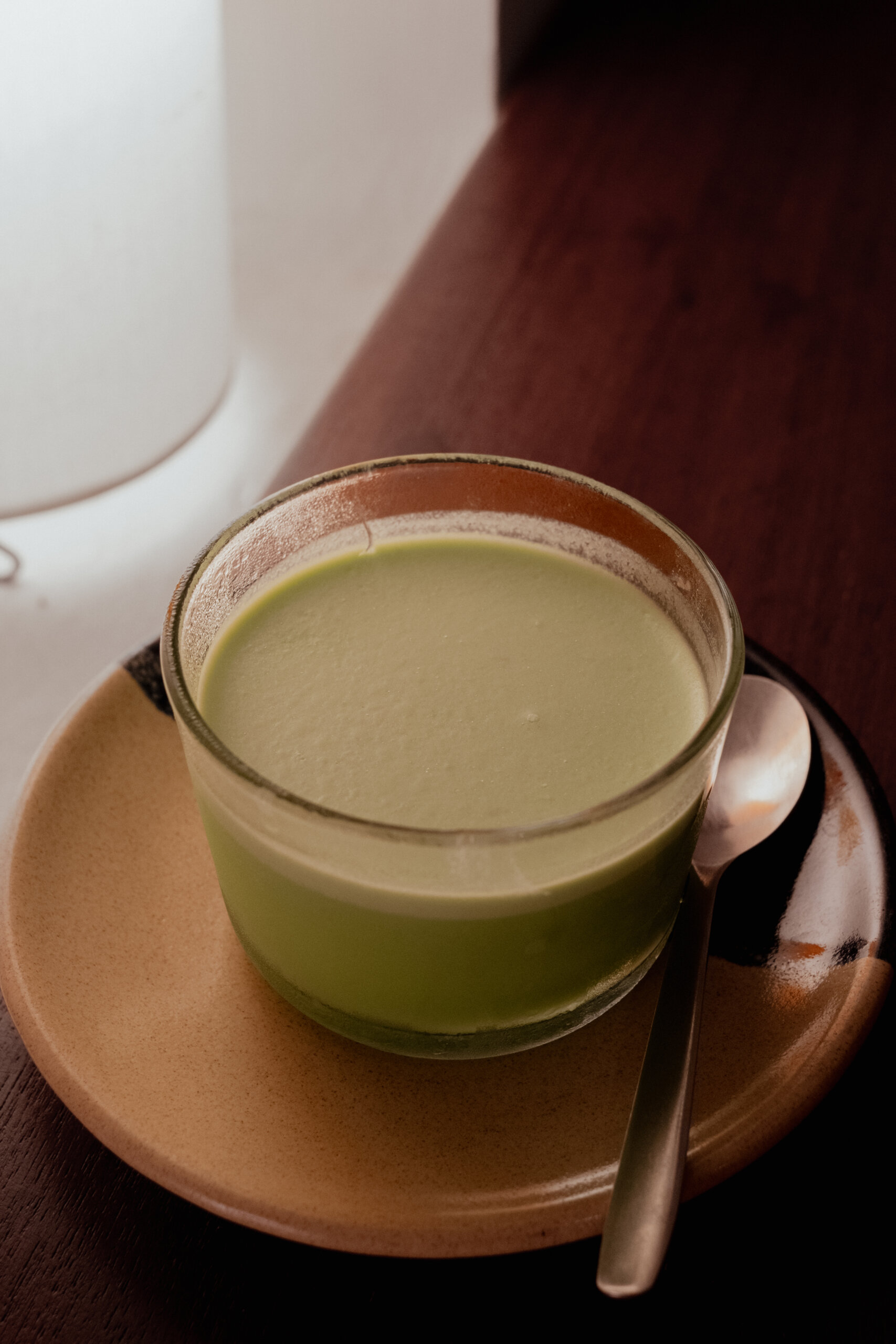
I went with a Tamarind Ginger Margarita. It was tart, spicy, and sweet—a perfect combination in my eyes. For dinner, I chose to go with Steamed Fish wrapped in Banana Leaf, followed by a Coconut Matcha Panacotta—both good orders.
There’s something to be said about the traditional steaming method using plantain leaves. Several South and Southeast Asian cultures employ banana leaves as a vehicle for steaming, or as a means to serve food. Our reliance on forest and farm produce had us using sustainable methods to cook, by using every part of the meat, vegetable, or fruit to minimize or avoid wastage. And this was done centuries before new-age sustainability hacks became mainstream.
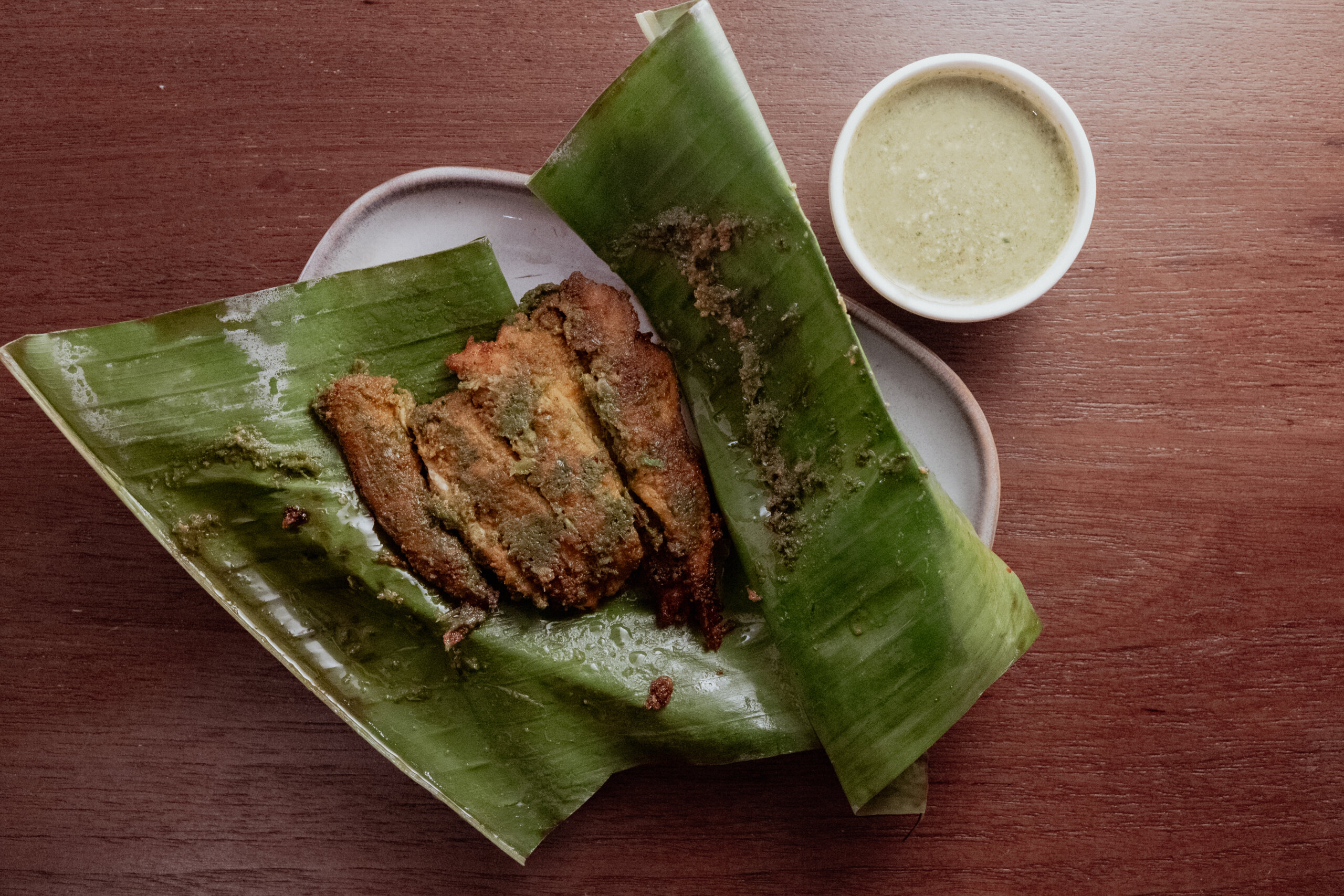
The fish was fresh, tender, and perfectly seasoned. However, if I have to choose a favourite from my order, I’d pick the panacotta. It was downright delicious, and a perfect end to a lovely dinner.
Storytellers Bar
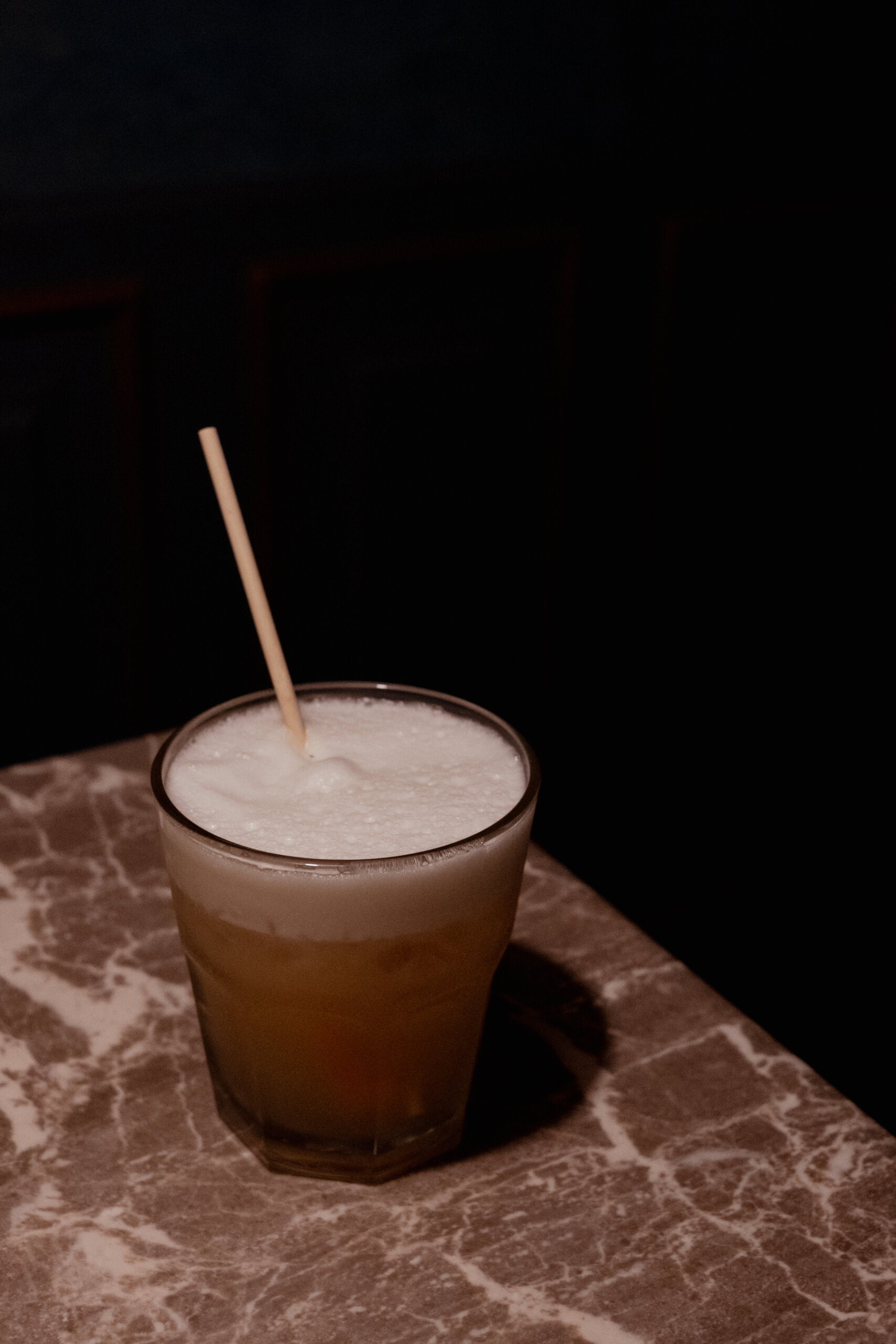
I adore a good drink while travelling; back at home, I stick to a whiskey-water. But when I’m away from home, I like to get experimental, whether it’s experiences, foods, or beverages.
The Storytellers’ Bar is a popular hangout for residents and visitors of Pondicherry alike. In the basement of The Promenade, it has all the markers of a premium bar – patrons here and there, leatherette furniture, and dim lighting from behind the bar counter.
For my first drink, I ordered a Whiskey Sour, because I wished to have a drink with some familiarity. What can I say? It was a good drink and had an appreciable amount of whiskey in it. Clearly, The Storytellers’ Bar means business.
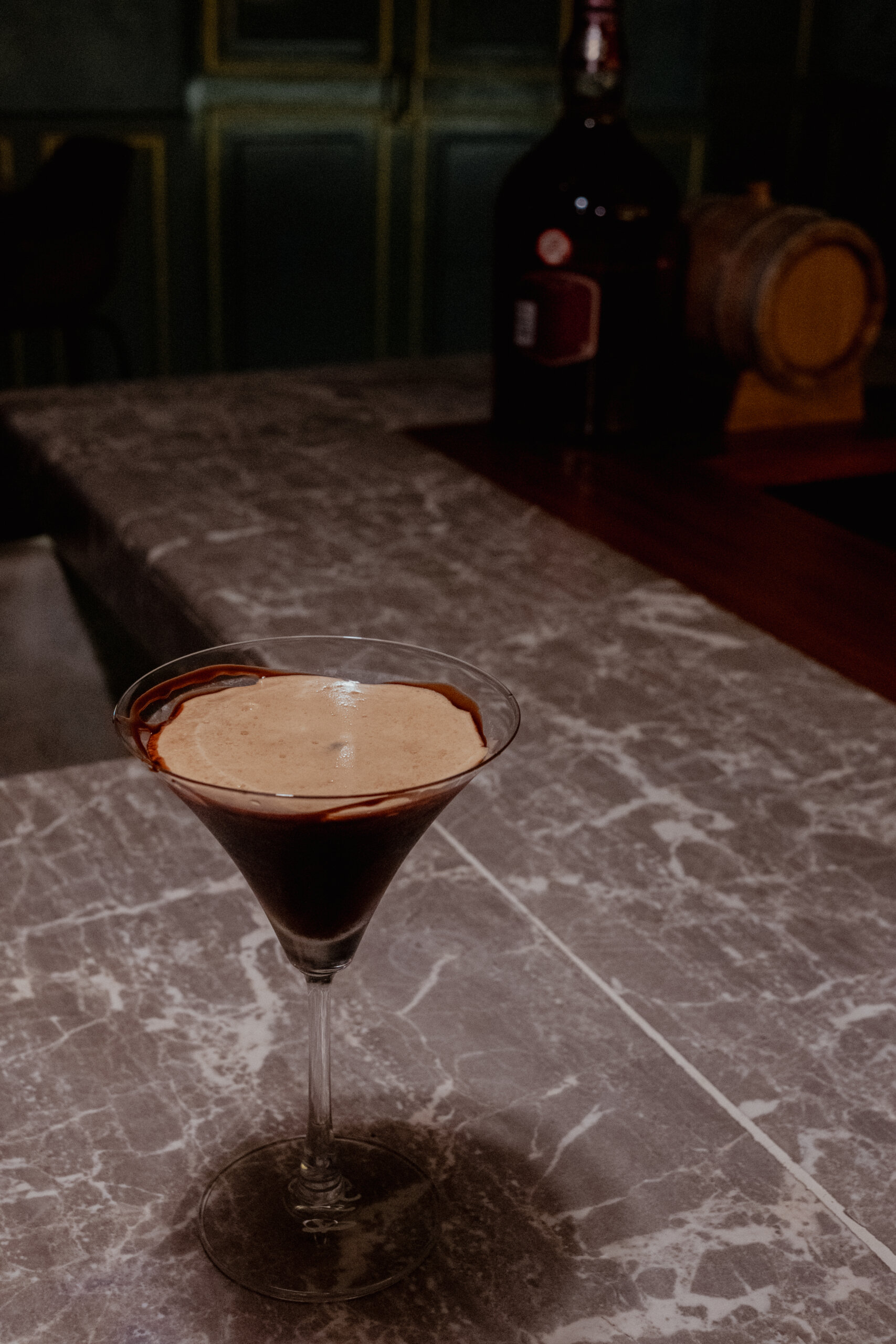
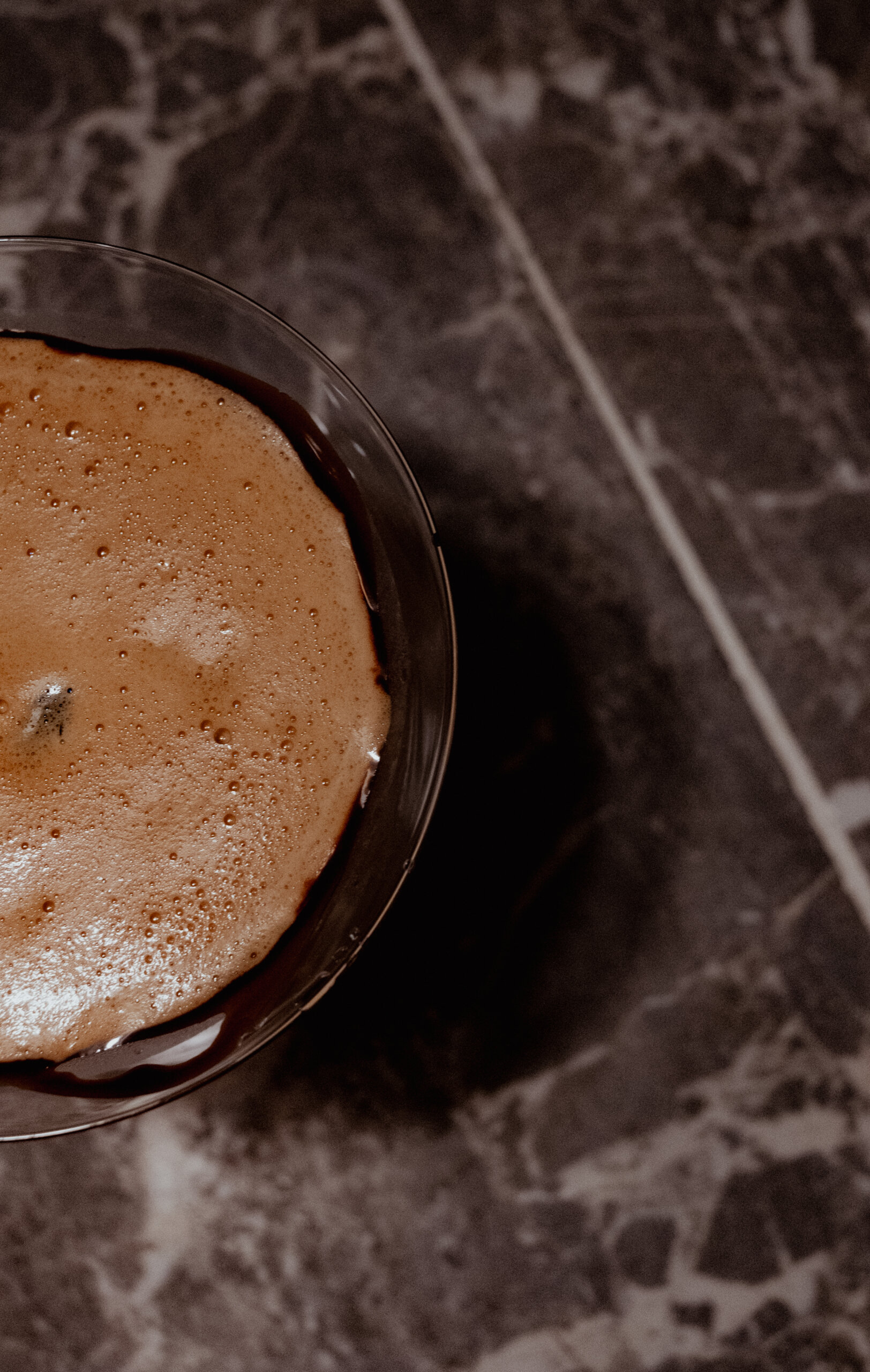
For my second drink, I had the bartender make me a custom beverage—a Chocolate Filter Kaapi. Delicious and creamy, with more than a fair amount of alcohol in it, the drink went down smoothly.
If you’re into karaoke and good drinks, The Storytellers’ Bar is the place to be. Follow it up with dinner at the Bay of Buddha in the same building, and you’ll go home/to your room having sated several cravings.
In a 1987 Los Angeles Times article, ‘Affluence, Corruption: Pondicherry: India French Connection’, the writer writes:
“Most of the (French) residents here have never set foot in France. Only a few speak French. Most are Hindu vegetarians who would not know an escargot from an eggplant, a Bordeaux wine from a banana milkshake.”
Later in the article, he goes on to say:
“One restaurant is labeled a patisserie—pastry shop—but it serves nothing French, only Indian curries and Bengali sweets.”
These statements clearly reflect my earlier understanding—that the colonial French power was more than happy to exploit Pondicherry’s people and resources, almost bastardizing Tamil-forward blends like vadavan, while being unwilling to give back or accept the French government’s somewhat reparations towards the local people of Pondicherry.
That said, food is resilient. Food is culture, peppered with politics, tempered with customs, seasoned with time. Pondicherry shows that while colonialization has no room, India has always welcomed different flavours, ingredients, and culinary nuances. It’s a part and parcel of being a plural nation with hundreds of languages and thousands of subcultures.
And while we’re trying to heal the wounds of colonization and chart a new future, our holding onto our food systems and cultures is a form of resilience—a little seaside town still welcoming people from all over the world to enjoy the sun and the surf, the rues and the streets, while treating people to tastes that are truly and completely Puducherry.
One Response
I lived in Pondicherry for two years during my masters. Went to some cafes in Auroville area like the Auroville Bakery (only once), Le Cafe, and some in French Town area near Rock beach.
But eating in a local restaurant for Biryani and Dosa was my favourite. More than food, I loved sitting on the rocks in Rock Beach, watching the waves late at night and also enjoying the morning sunrise there.