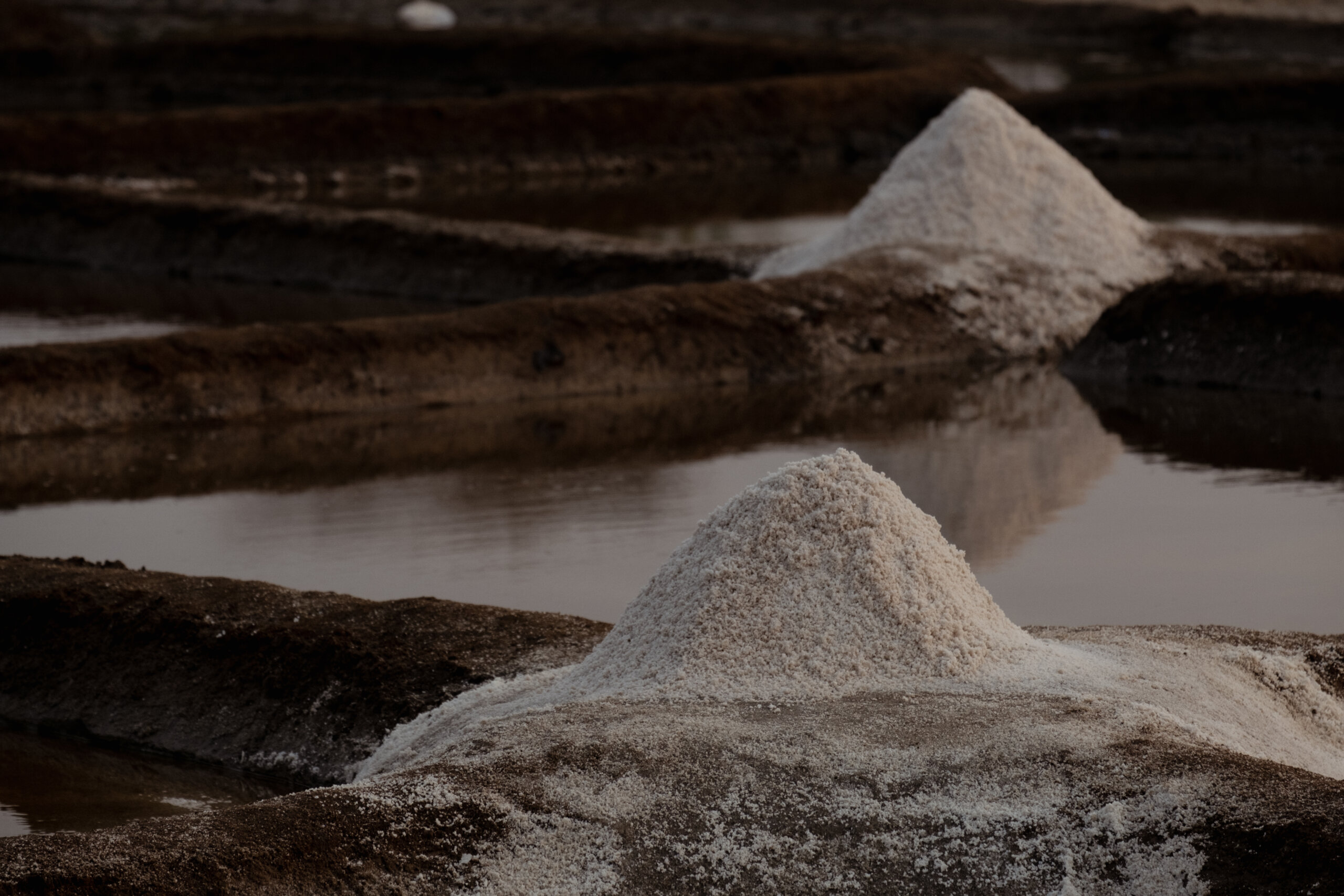
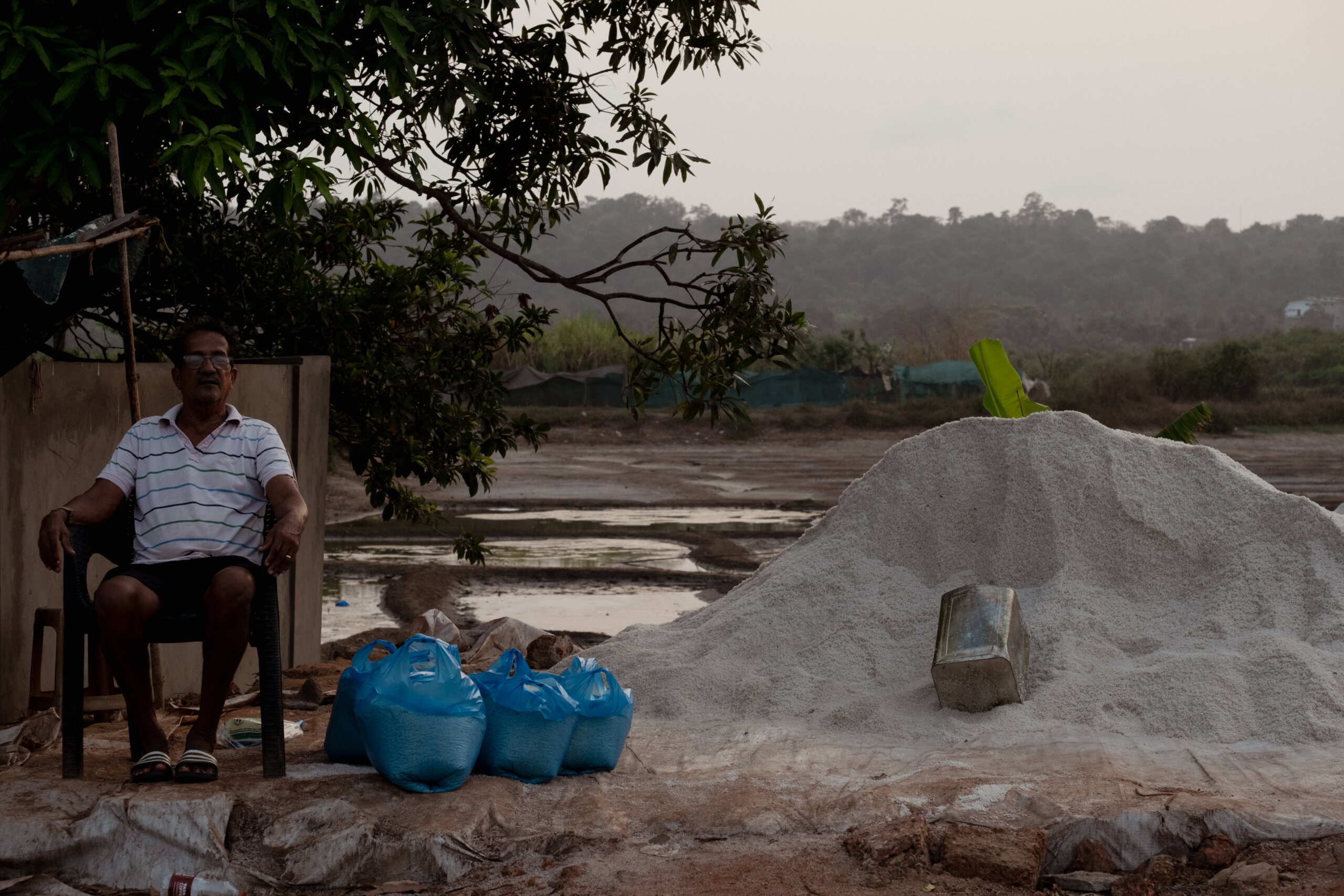
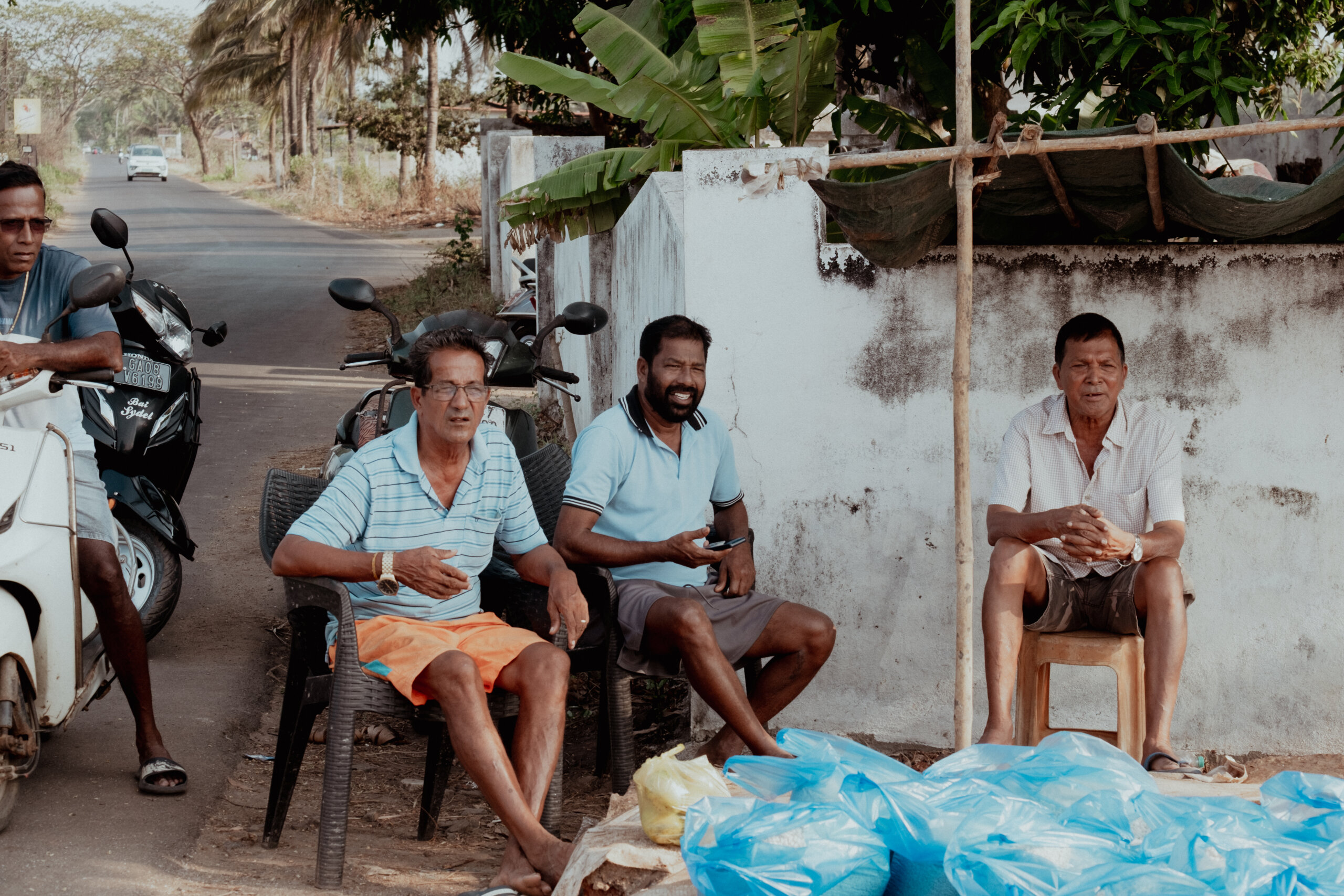
As I rode to Curca bridge on a hot April evening, revelling in the coastal breeze blowing through my hair, I saw people on one side of the road having set up makeshift points to sell what looked like ivory mounds of sand. I stopped by one of these points and asked the women sitting by these little hills of crystalline:
“Mitt ikthath gi?” (Are you selling salt?)
“Woi.” (Yes)
I stopped my scooter a little way away and walked towards them. I wanted to look closely at the mounds of salt that they harvest and sell to get by.
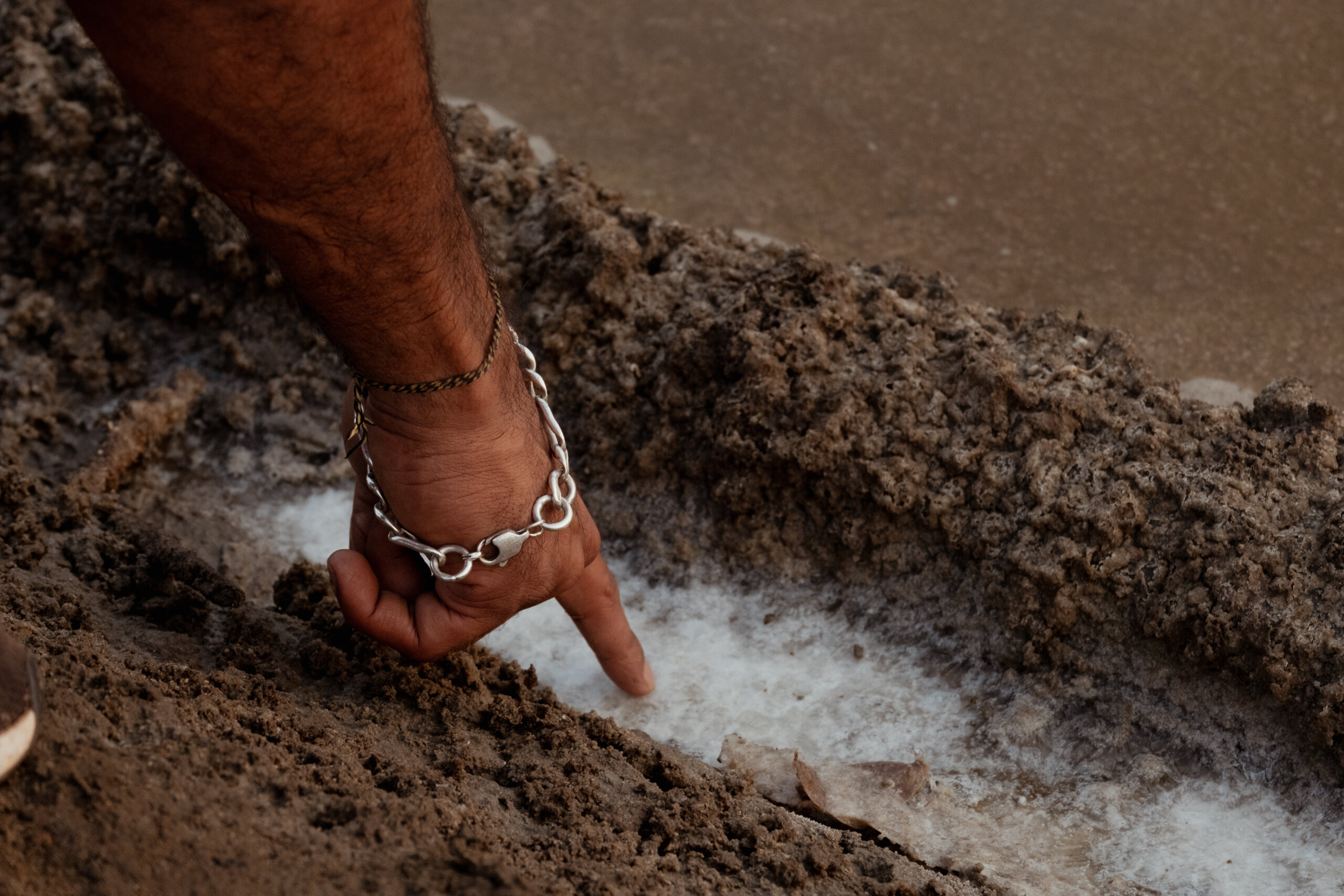
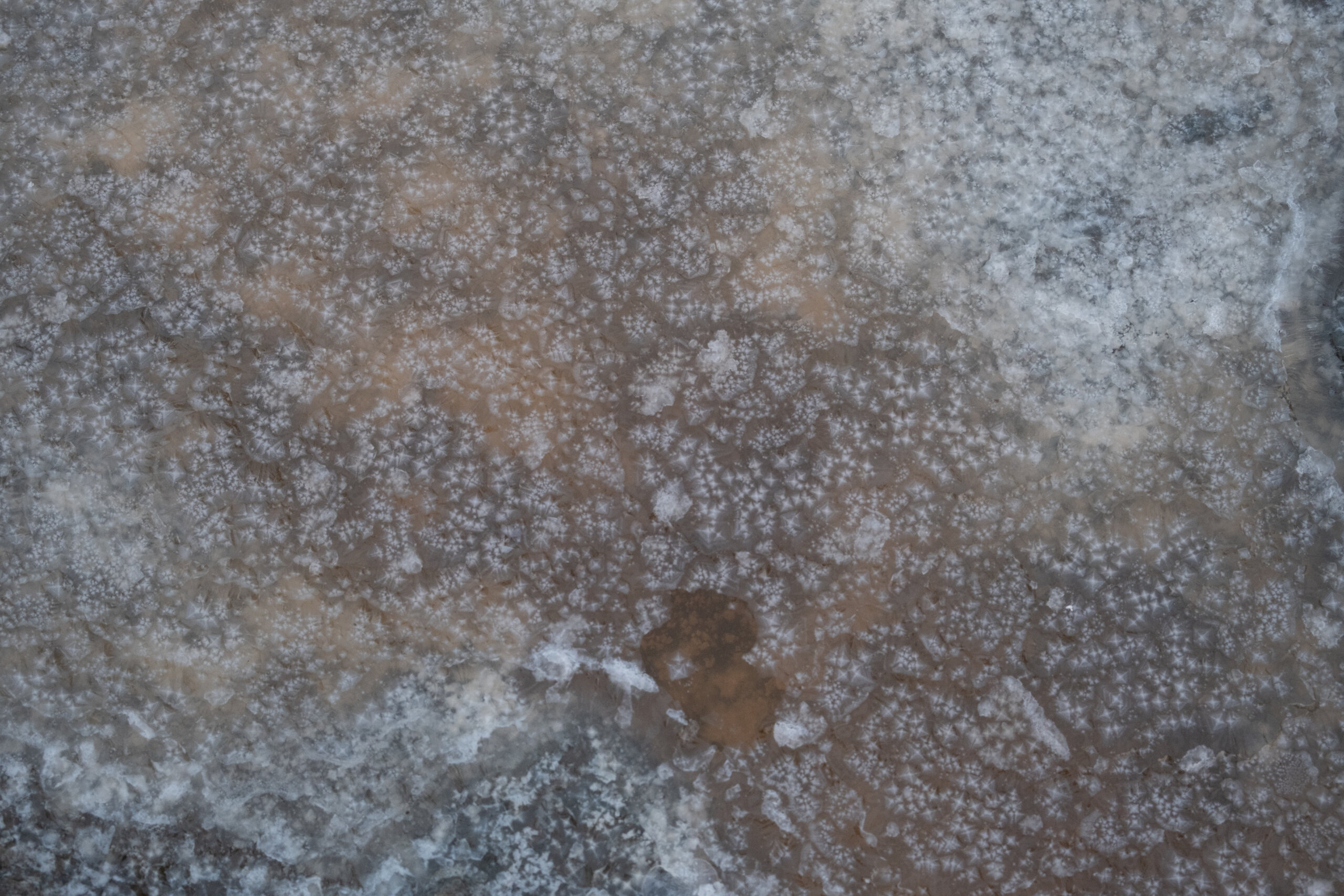
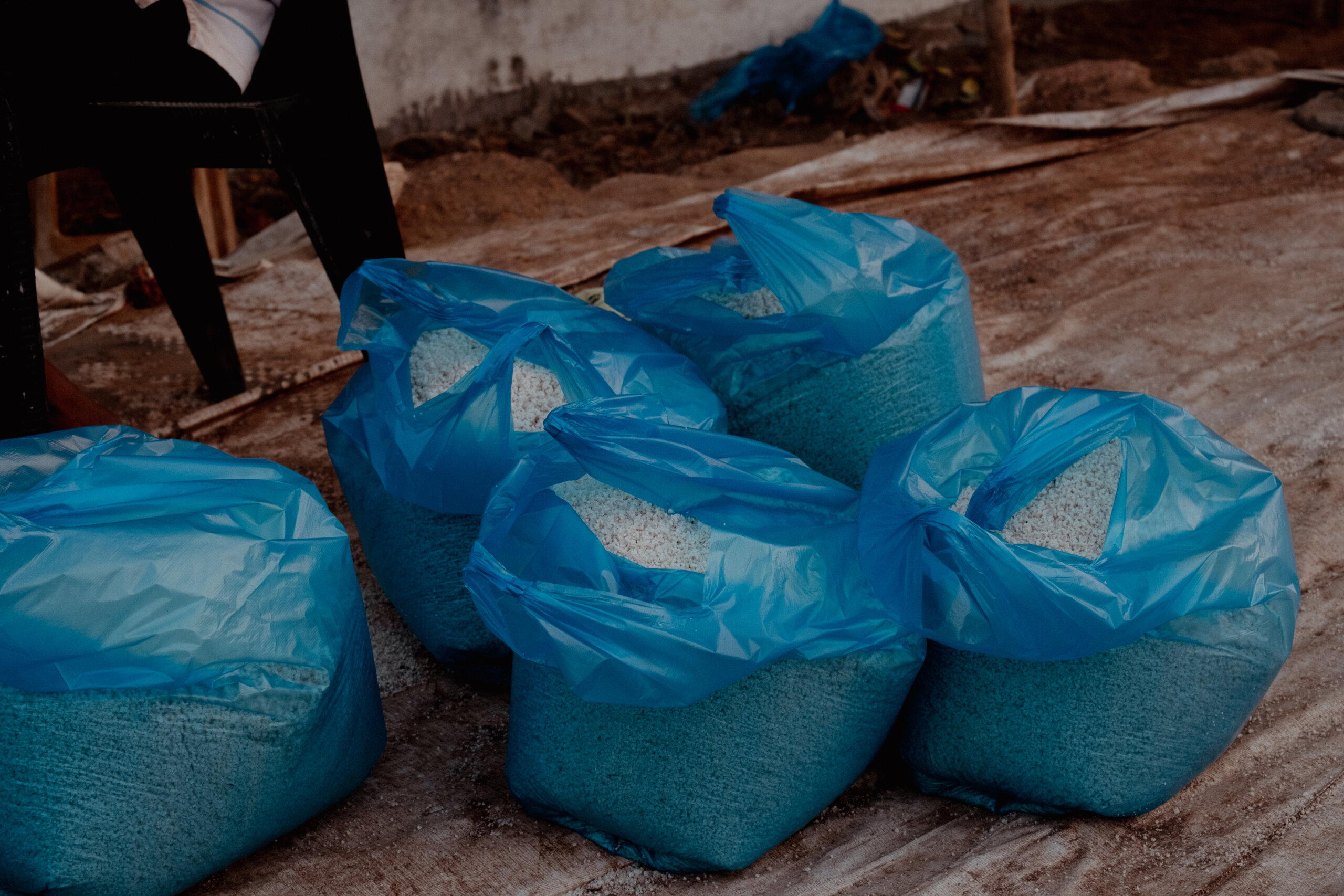
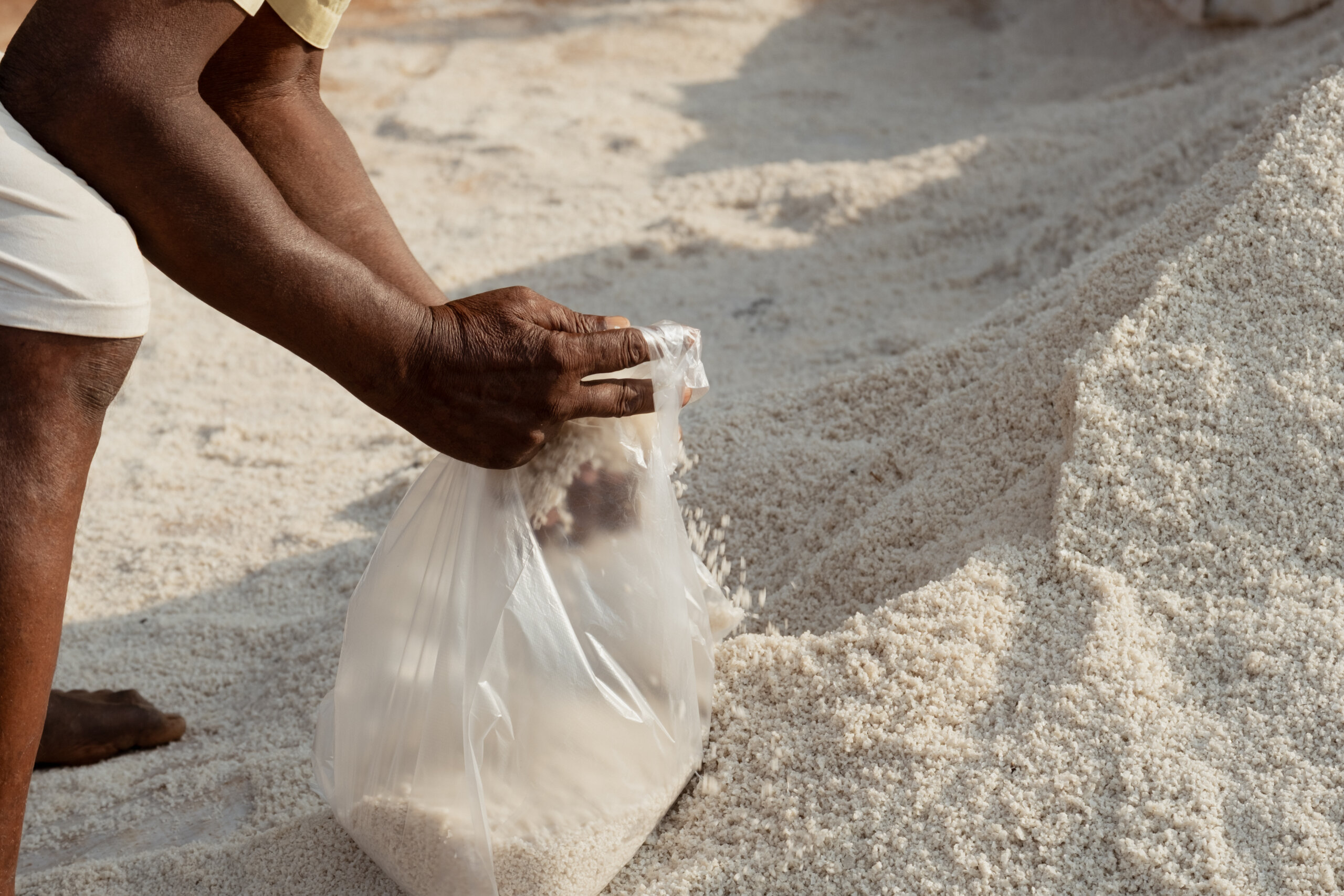
Unlike table salt and rock salt, which are widely used across the country, this salt looks different. The colour of milk, the texture of crystal, powdering into crumbs between my fingers. It tastes of the sea, albeit less salty than the packaged salt that we all now know and consume daily.
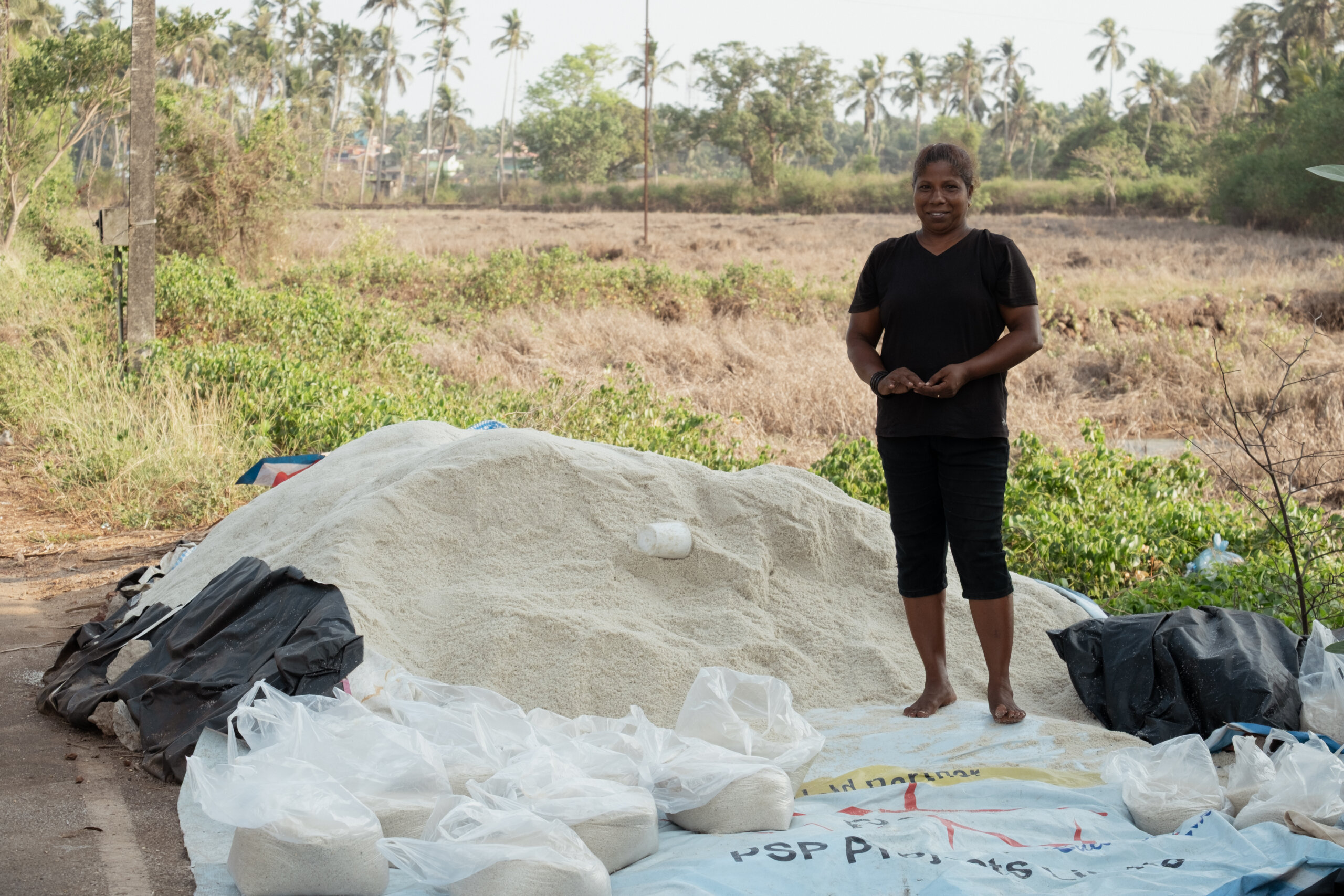
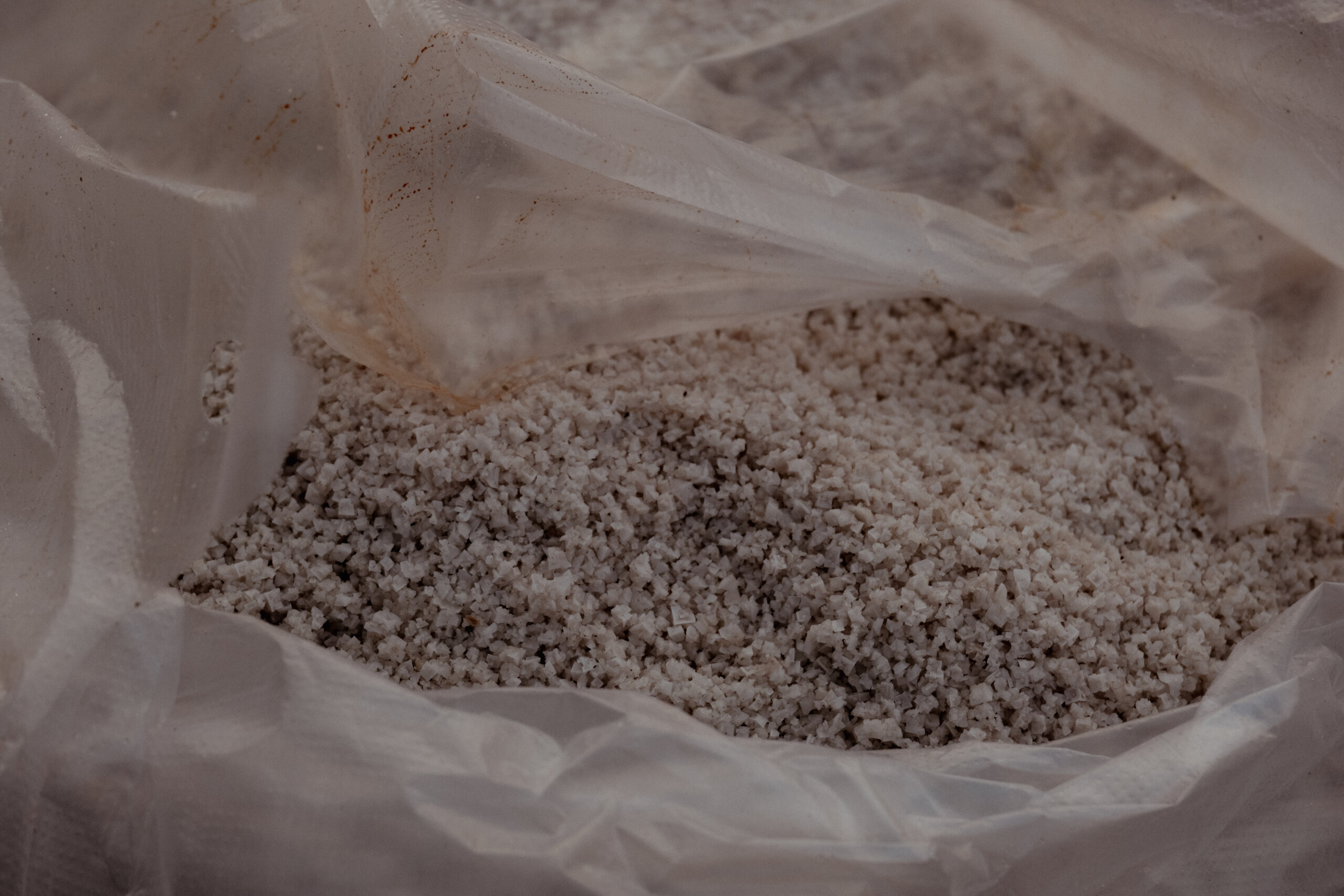
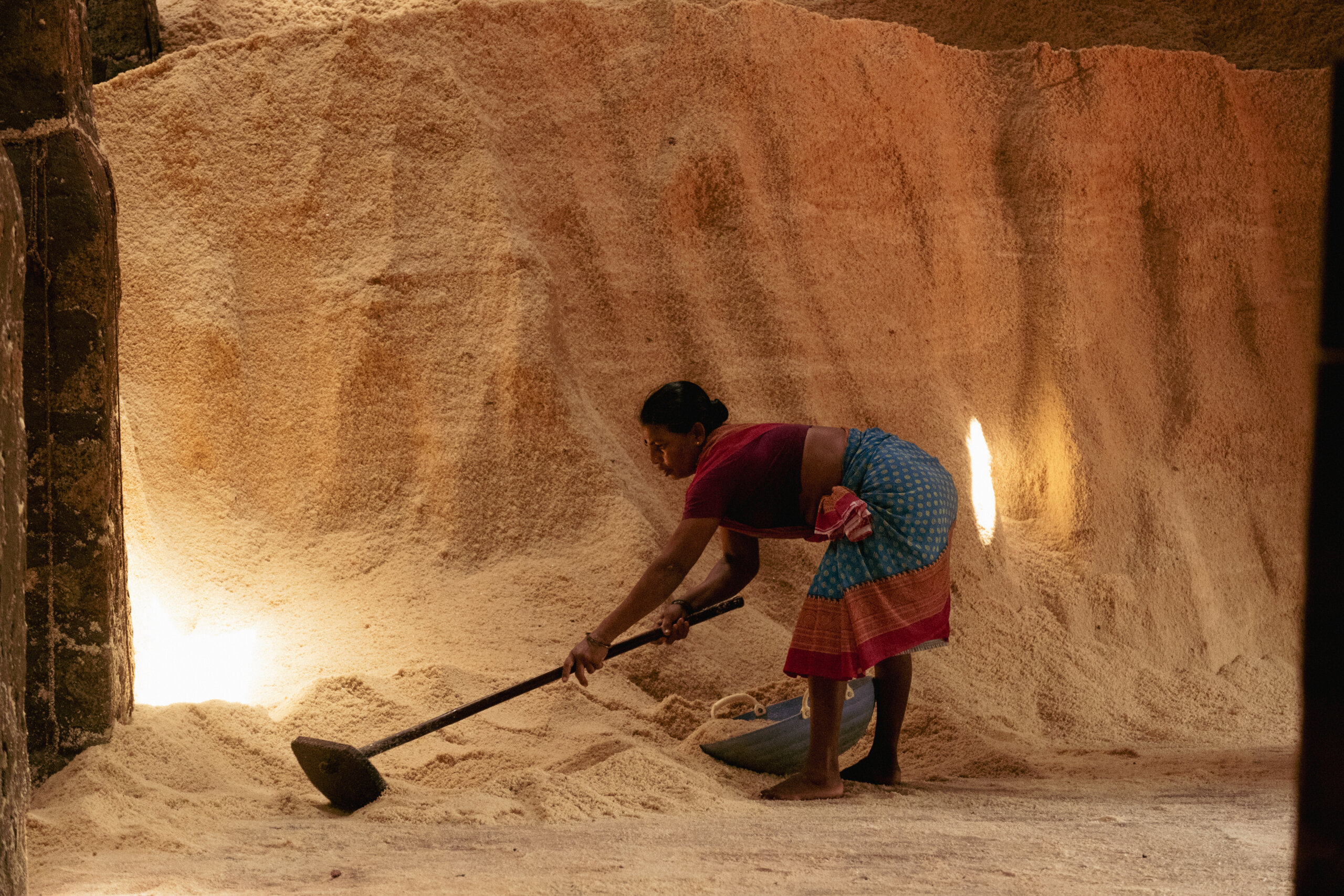
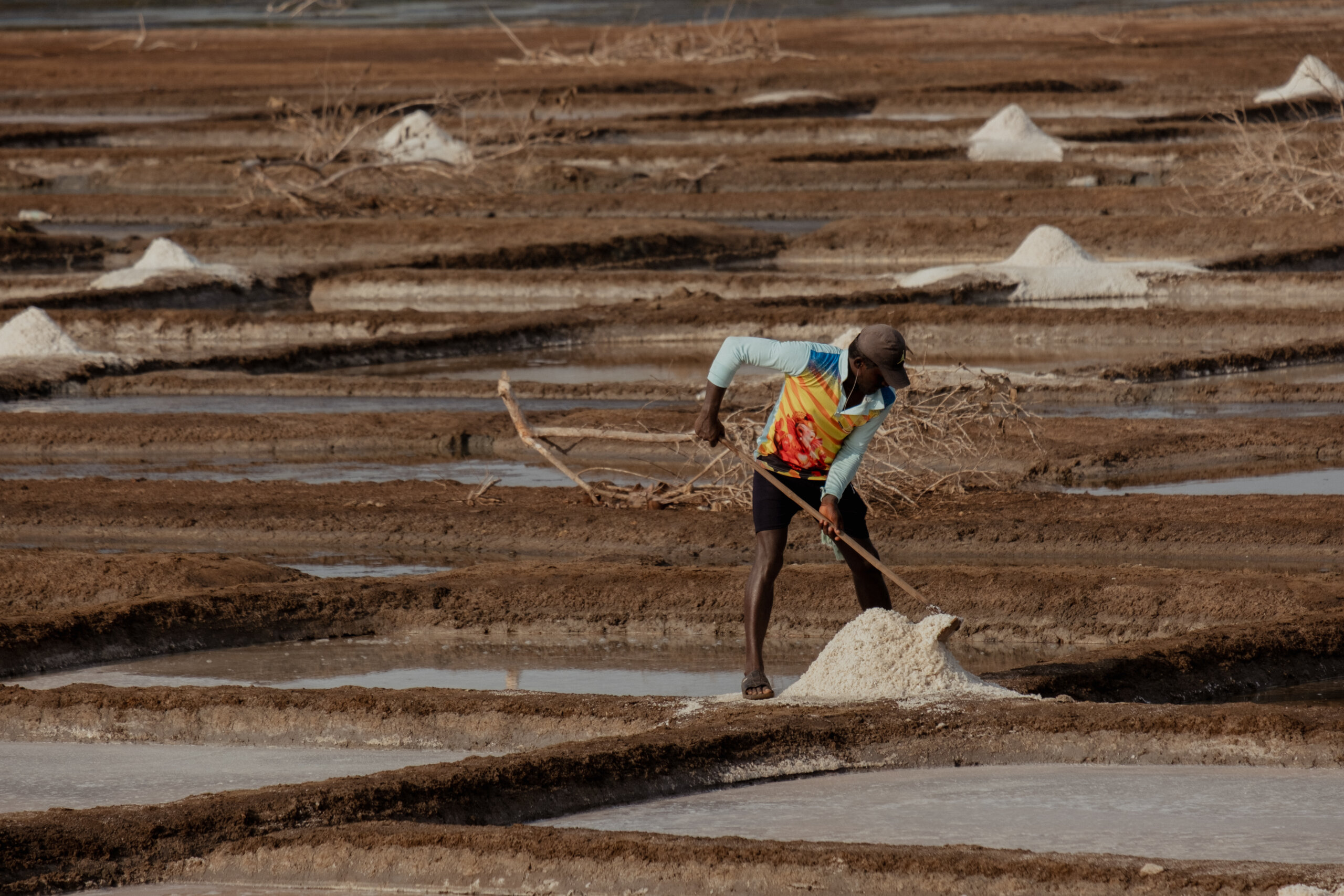
This is solar salt. Rich in minerals and made through a long, painstaking process by the mittkars (salt workers) in the humid heat of Goa, using the gift of seawater flowing into rivers that make their way through sluice gates into khazans (reclaimed coastal lands), its inlet is controlled to flow into bunds that the salt pan workers make with their own hands and feet. Labourious, unforgiving, and time-consuming, this is as artisanal as salt can get.
Making solar salt is a practice that goes back thousands of years. And several decades ago, the mittache agor or mittgor (salt pans) numbered in the high hundreds. Today, one can count their numbers with their fingers. The salt pans are slowly dying.
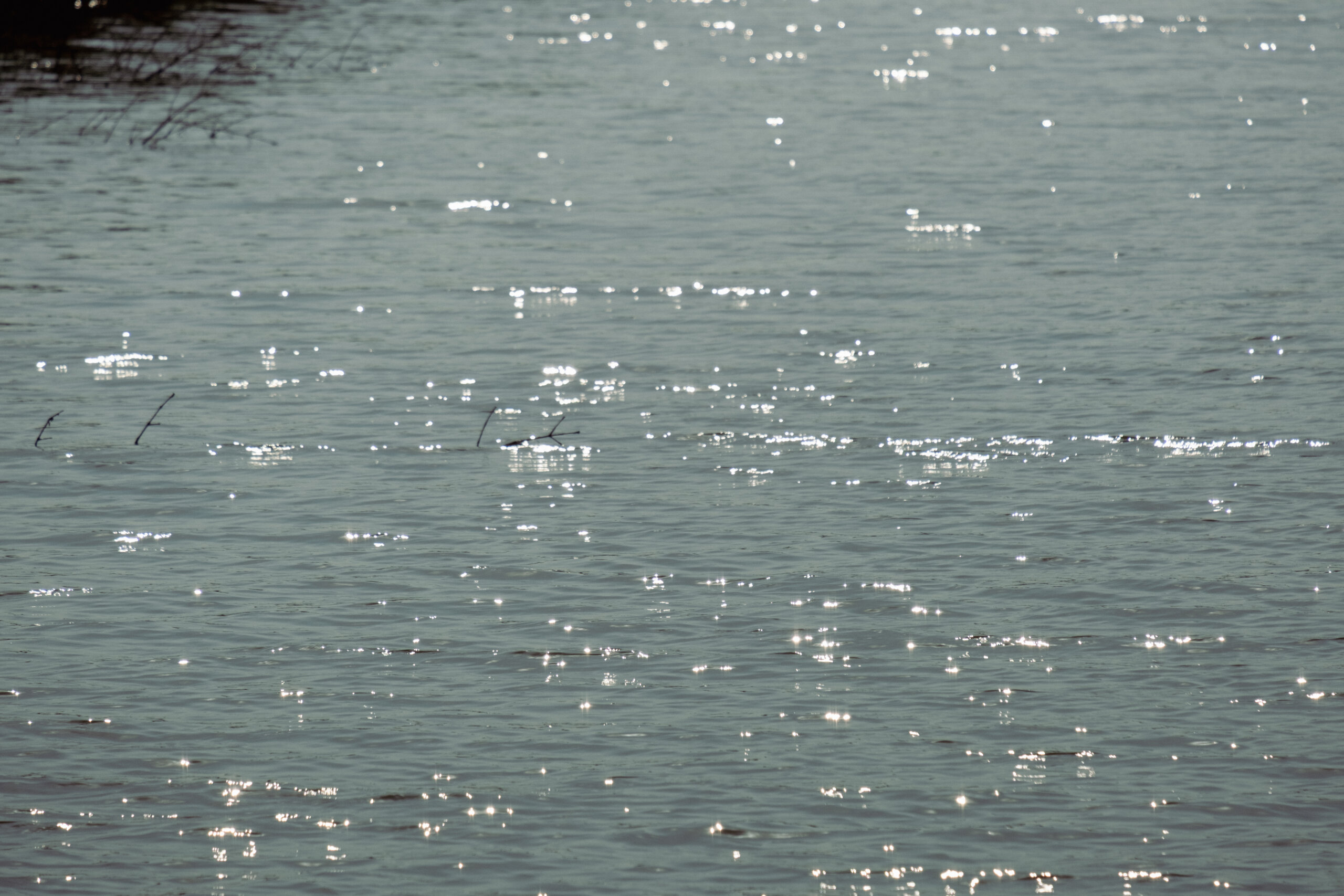
Still, there is demand for solar salt among long-term residents in Goa. Iyno D’souza, who is part of the Goa Velha panchayat, tells me that many people rely on this riverine salt for everything from cooking and preserving to pain management. “You should try using this salt to make mackerel. It’s nothing like you’ve tasted before”, he says. I believe him.
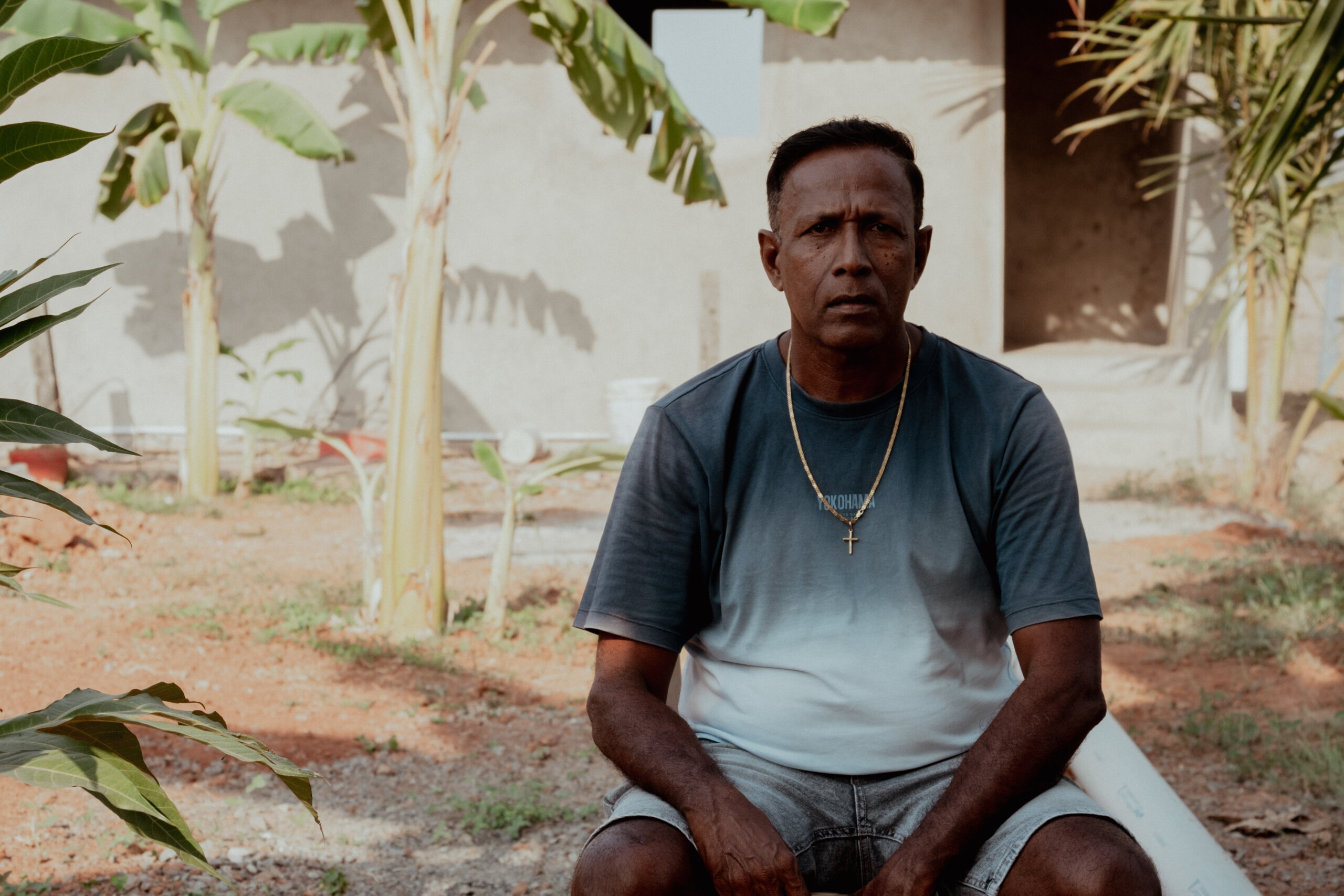
Salvador Fernandes, who owns salt pans in Batim, shares that this salt is also used as fertilizer for mango, cashew, and coconut trees. “Bachpan se yehi namak hum use karthe aaye hain. Badan dard, gale ki khich-khich, aur medicine ke liye bhi bohut sahi hai” (We’ve been using this salt all our lives. It’s just right for body pain, sore throat, and as medicine). He has been working at the salt pans since childhood. “Mere mummy papa, aur unke elders bhi namak banaathe the” (my mother and father, and their elders, all used to make salt). The salt pans in Goa are synonymous with generational labour and the passage of the craft from parent to child.
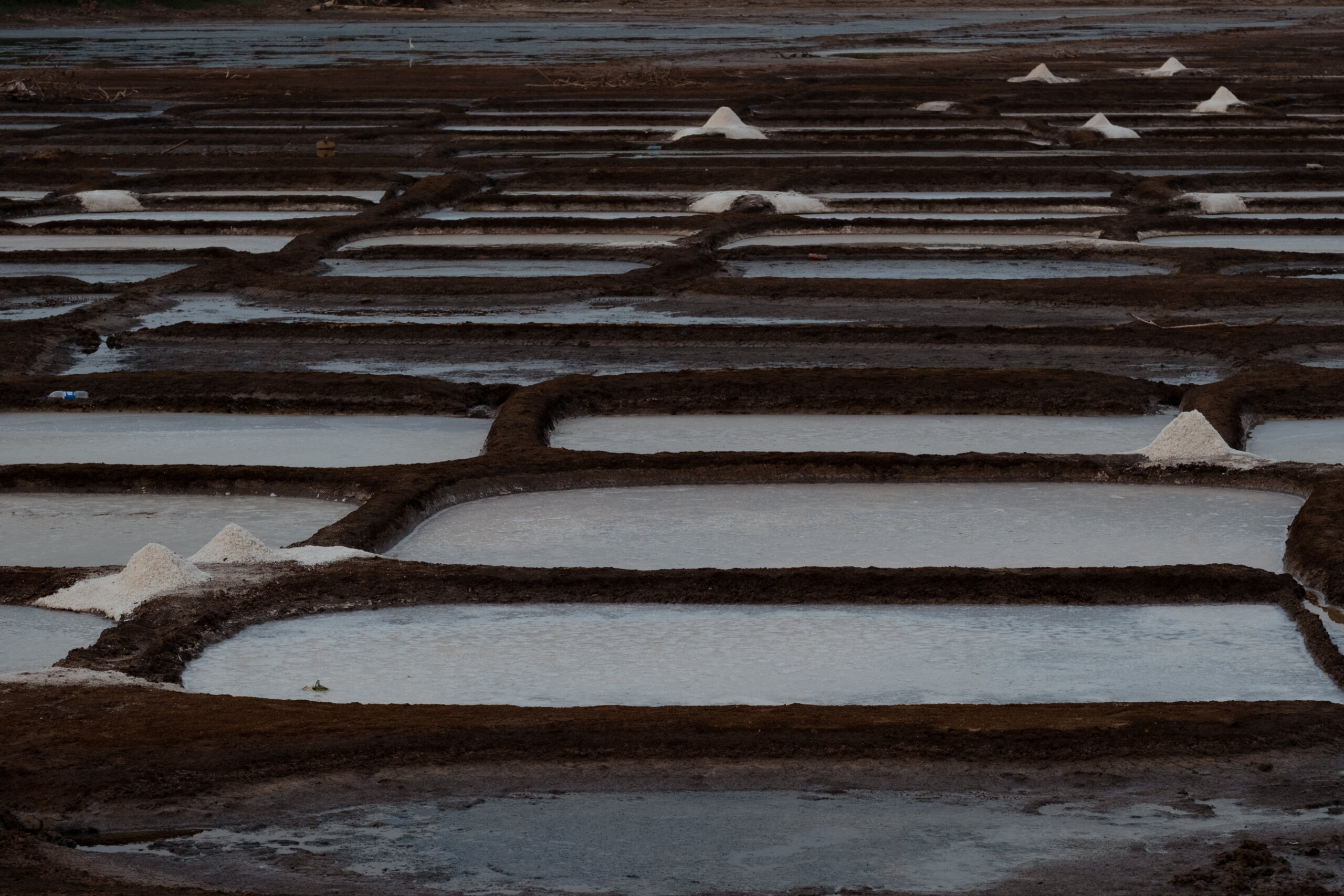
Salt-making is arduous. It takes many months, given that the temperature is right, that there is enough water flowing into the pans, and that rains follow their predictable pattern. It had rained at dawn, so I asked Salvador if it had impacted the salt. “If it rains for a few minutes like it did this morning, it’s still manageable. But if the downpour continues for hours, everything goes to waste”, he tells me.
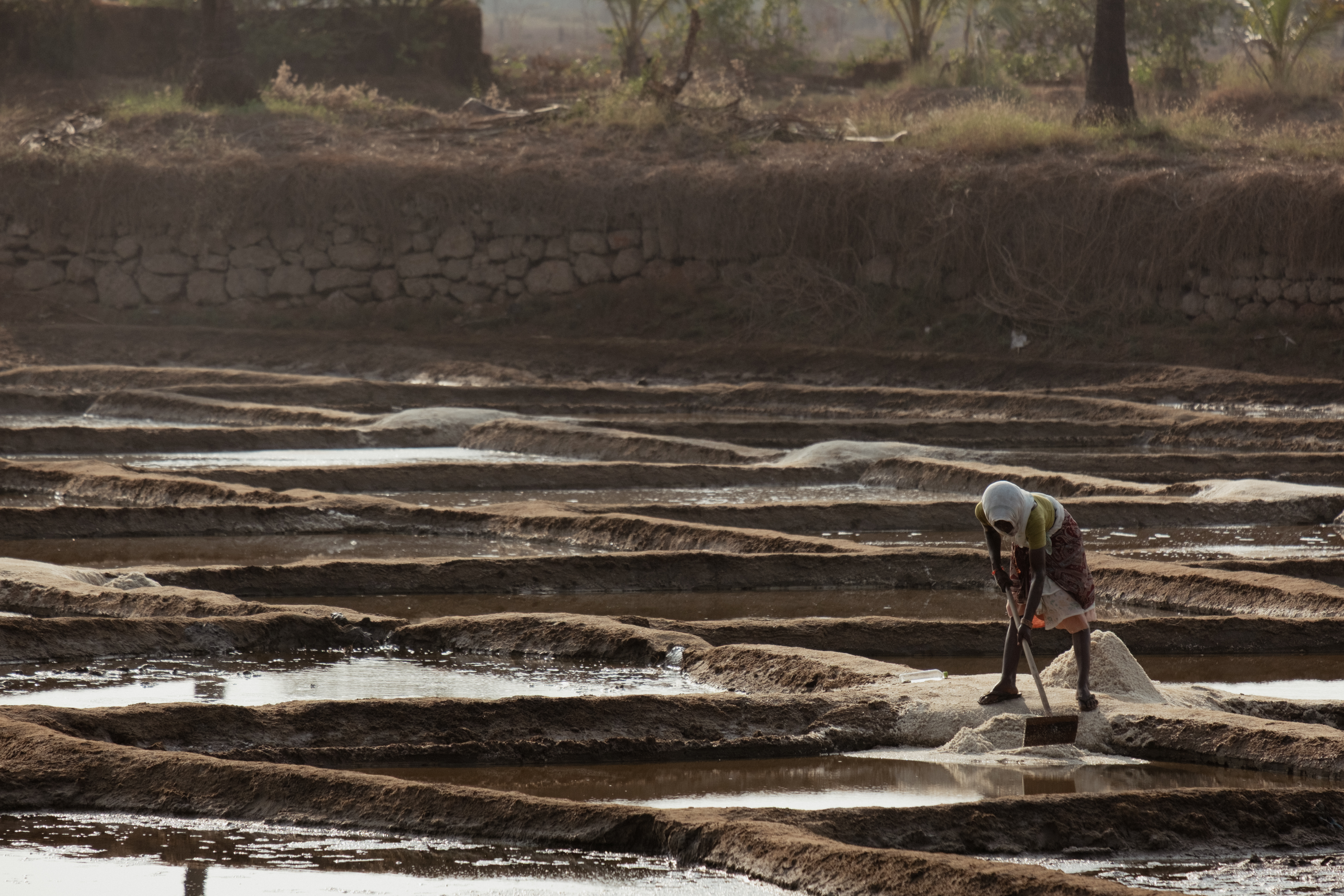
“I can’t explain the process to you,” he continues. “If you come in December, you can see exactly what the work is, how difficult it is, how long the days are.” He shares that it’s backbreaking work, constructing and maintaining the bunds, which Iyno also mentioned. “If the bunds are broken, they’ll have to make them all over again. And it’s not easy.”
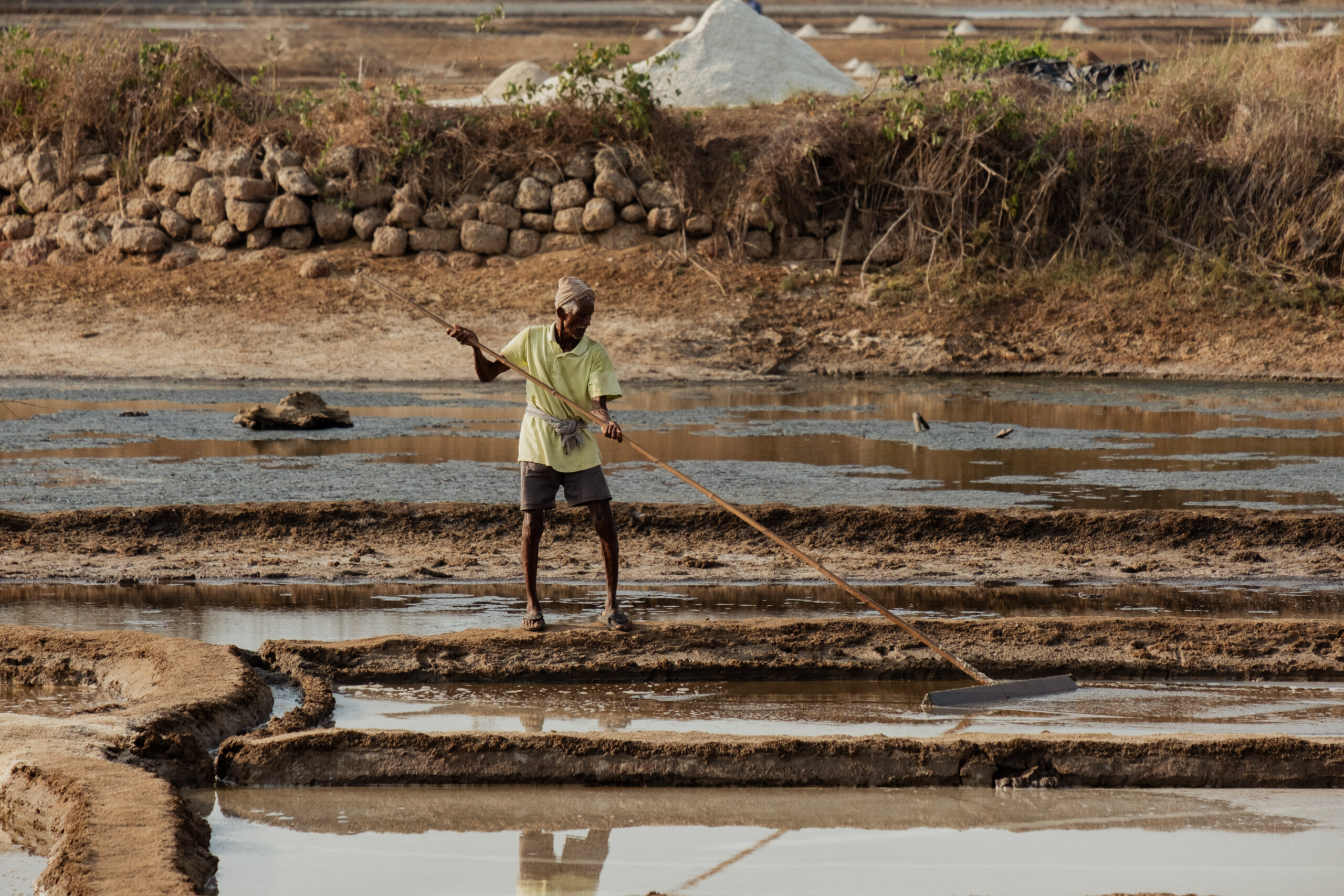
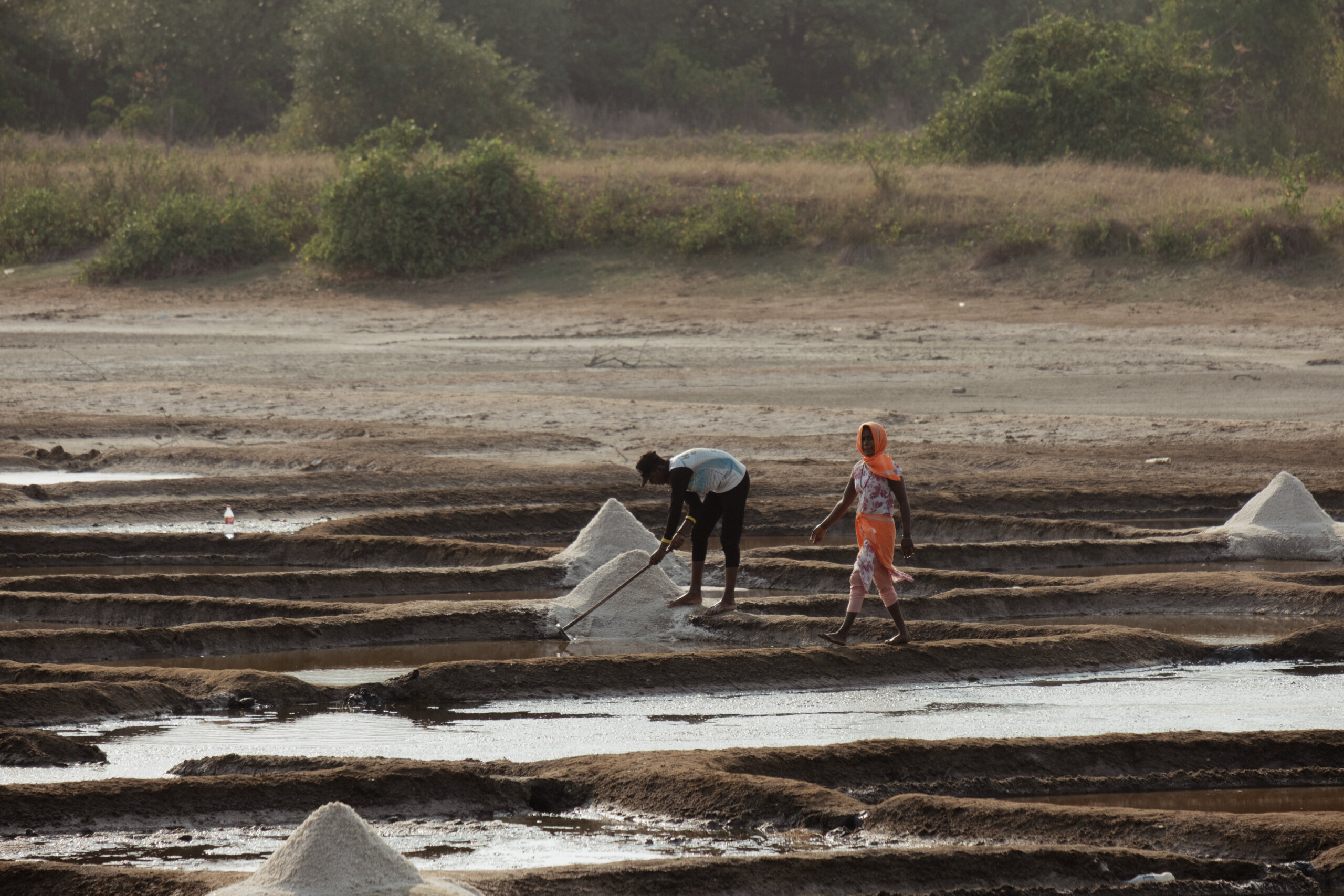
Solar salt is weather-dependent. If anything goes awry, the salt formation and harvesting are impacted. Subsequently, people’s livelihoods are at stake.
And they are. Global warming is wreaking havoc across regions, more so in India this year than in any other country. “It’s unnaturally hot this year, because of the super El Niño”, Niranjan Harijan of Make It Happen’s Goa chapter told me as we rode through Diwar island. Sudden rains are now the norm more than the exception. With government-approved deforestation taking place across the state, Goa’s palpable heat is reaching record highs, and together with the rains, the window for making solar salt—usually from November to June—is slowly shrinking.
There are other woes, too. While there is local demand for this salt, the selling price barely makes the mittkars any profit. During my visit to the salt pans in Batim, ten kilos of salt sold for INR 200. If we take into account the long hours and tedious work to produce this salt, the rate seems abysmally low. But to stay competitive and cater to the needs of the local population, the salt is priced as it is. “The rate really depends on how much salt we make, and how much isn’t ruined by rain. Sometimes, if we sell salt to the trucks at ten rupees less per kilo, other salt workers will have issues. So, we all sell it at the same rate. Sometimes, when we can’t move the salt from the pans to the streets, we sell it at a lower rate to other salt workers who are willing to do the work,” Salvador mentions when I ask him if INR 200 is a good rate.
During the 19th-century Portuguese rule, the state of Goa was a major exporter of salt, selling the mineral to West Asia, Southeast Asia, and Africa. The large-scale campaign to drive consumption of industrial iodized salt was a huge blow to the human-harvested bio salt that’s native to the region. Now, only about eleven villages are engaged in this age-old practice.
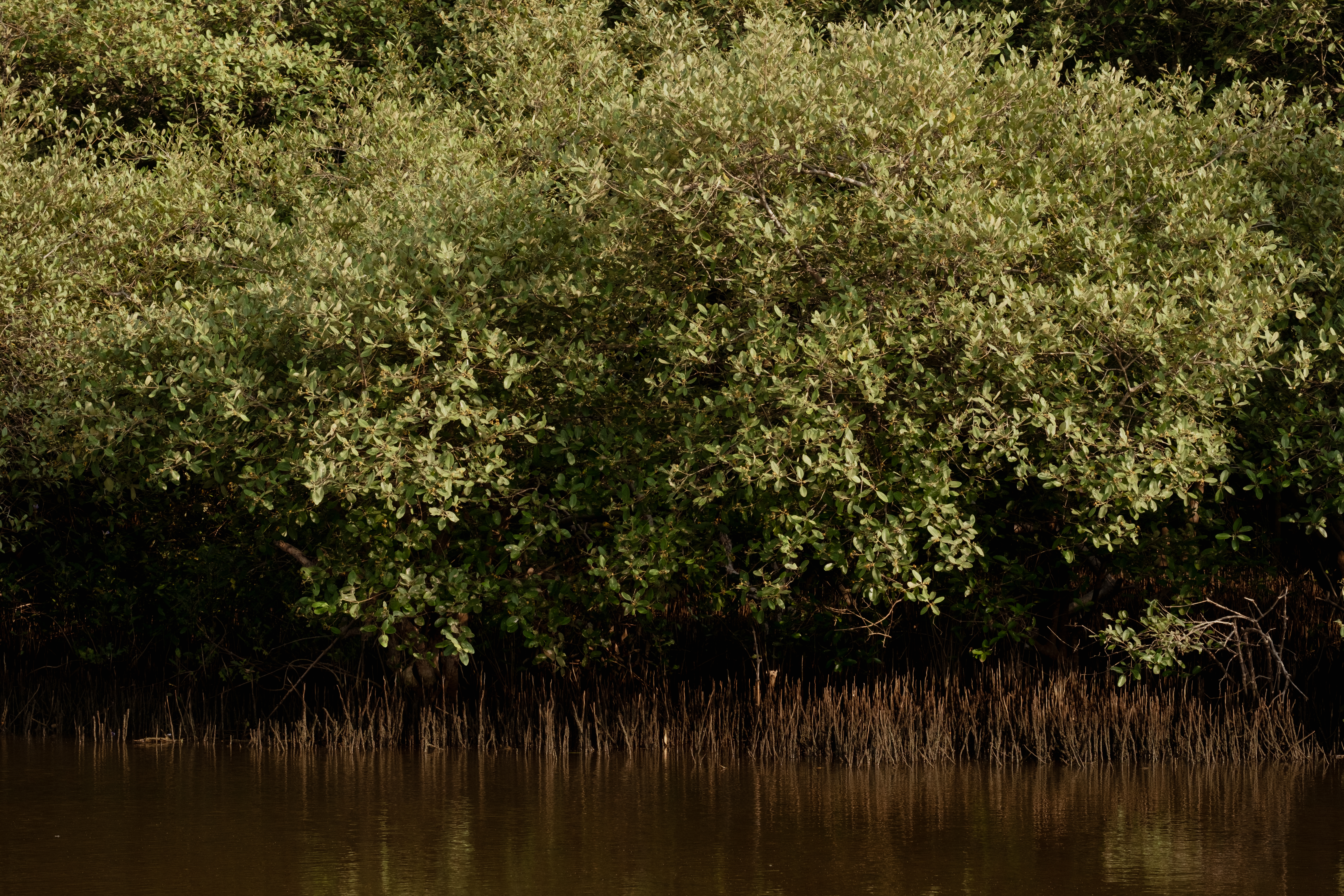
“People are selling khazan lands to developers. They’re not supposed to, because these are protected areas. There are mangroves here,” Iyno shares as we sip our coffees in a cafe in Batim. “The revenue from solar salt isn’t enough. A truck-full of salt can go for only about INR 20,000. Considering the cost to hire the truck, there’s barely anything left for the salt makers. It’s why they end up selling the khazans, because they don’t want to be stuck in a profession that doesn’t make them enough money.”
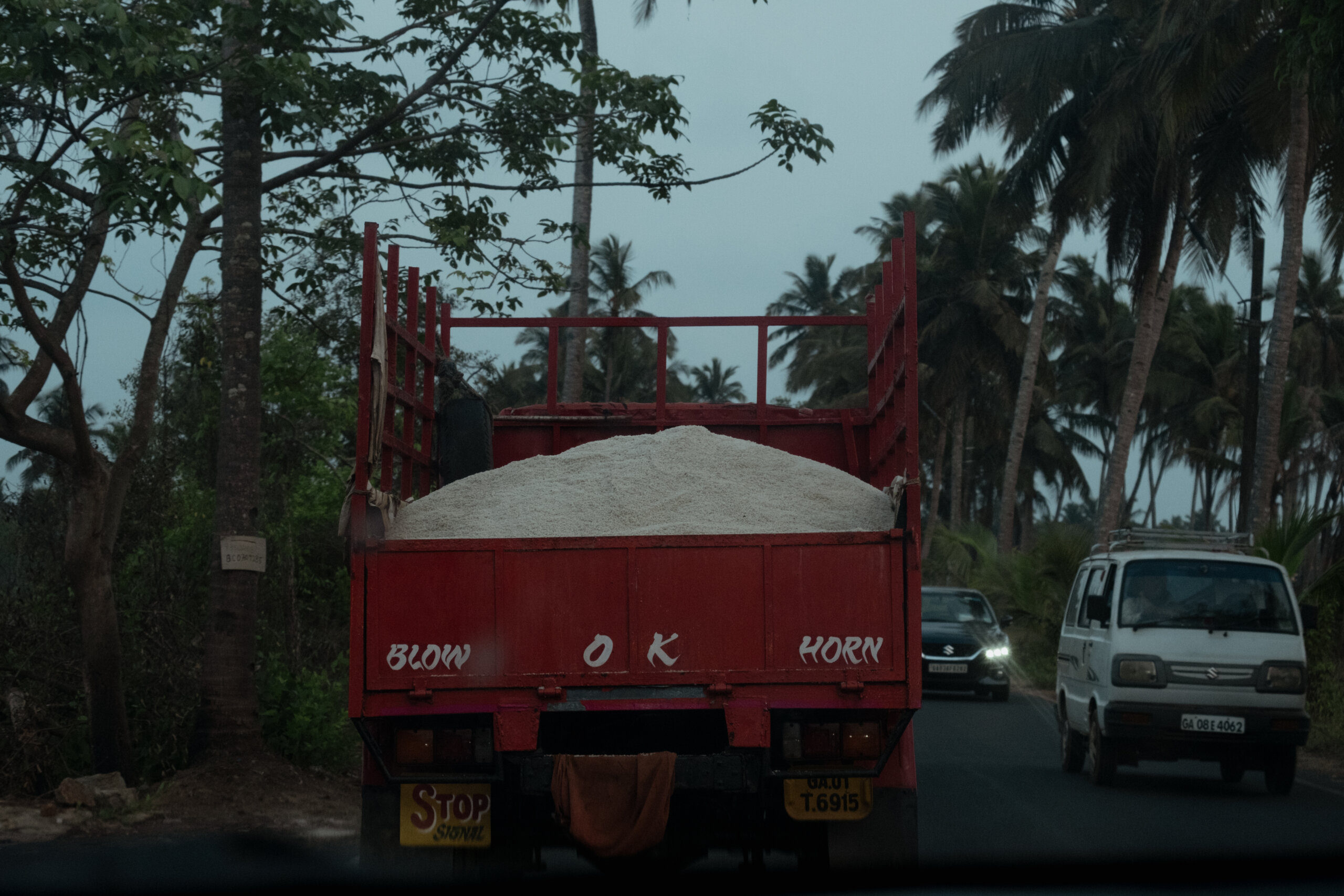
Salvador tells me a different story. “Pehle bohut demand tha. We could sell only for INR 2,000-INR 3,000 to the trucks, because the rains would wash a lot of it away. But now that there are fewer salt pans, and the local demand is favourable, we can sell at the rate we do now.”
Most of the labour for the salt pans now comes from Karwar, Iyno tells me. When I questioned Salvador about the labour force, he said that today’s youngsters aren’t interested in working at the salt pans. “Zyaada log ab mar haye hain. Sab buddhe log bache hain, aur humse uthna kaam ab nahin hotha” (Most of the salt harvesters have passed away; only the elders are left, and we can’t toil as much anymore). “Sometimes, people take an advance—from INR 50,000 to INR 70,000—and never show up to work. If we go to the police, they blame us, saying, ‘Why did you give them an advance?’ It happened to me, too. It’s either that, or the labour is disinterested. This kind of work needs people who are knowledgeable in the process. But the youngsters only do half the work, whereas we used to take pride in salt-making. If we tell them to do the job right, they won’t show up the next day. And there is no labour union for us.”
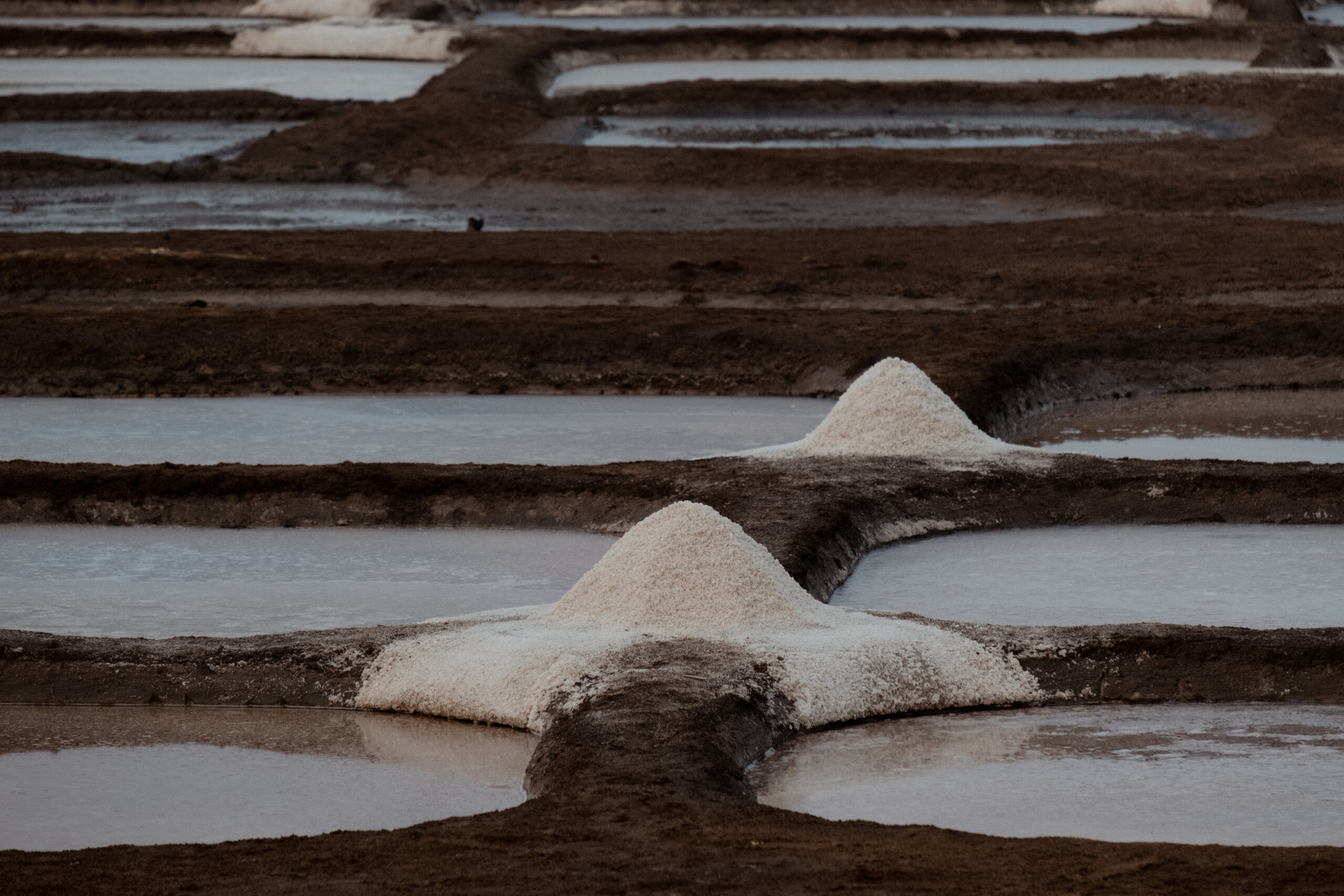
In the off-season, when salt isn’t made, the land is mostly used for pisciculture. “And it’s damn good fish. Saltwater fish,” Iyno adds.
There is news that the Goa government has launched the Salt Pan Conservation, Support and Revival Scheme (2025–26) to bring traditional salt pans back to life. The allocated budget is around INR 95 lakhs for 75 salt farmers. The goal is tripartite—to protect and conserve heritage-based livelihoods, to restore khazans (wetlands), and to promote solar salt production. The government has also created a task force to survey for a potential salt buyback mechanism for local producers.
“The government can buy the salt from the salt pans at a premium and then sell, but that isn’t happening”, Iyno mentions, a stark contrast to the scheme that the government has promised. “If we do the packaging ourselves, that’s an extra cost, which means we don’t make much money. If the government buys the salt from us at the current rate and then packages it for sale, that will be better. The government said they’re helping, but we still have to see”, echoes Salvador.
And then, Iyno shares something interesting, but unsurprising.
“The ruling party in Goa is the BJP government. And all they’re doing is trying to divide people based on religion. 99% of salt workers here are Christian. It’s why the government isn’t doing much. They’re a minority. If they were following the majority religion, things would’ve been different. Same with the toddy tappers here.”
And this isn’t a singular sentiment.
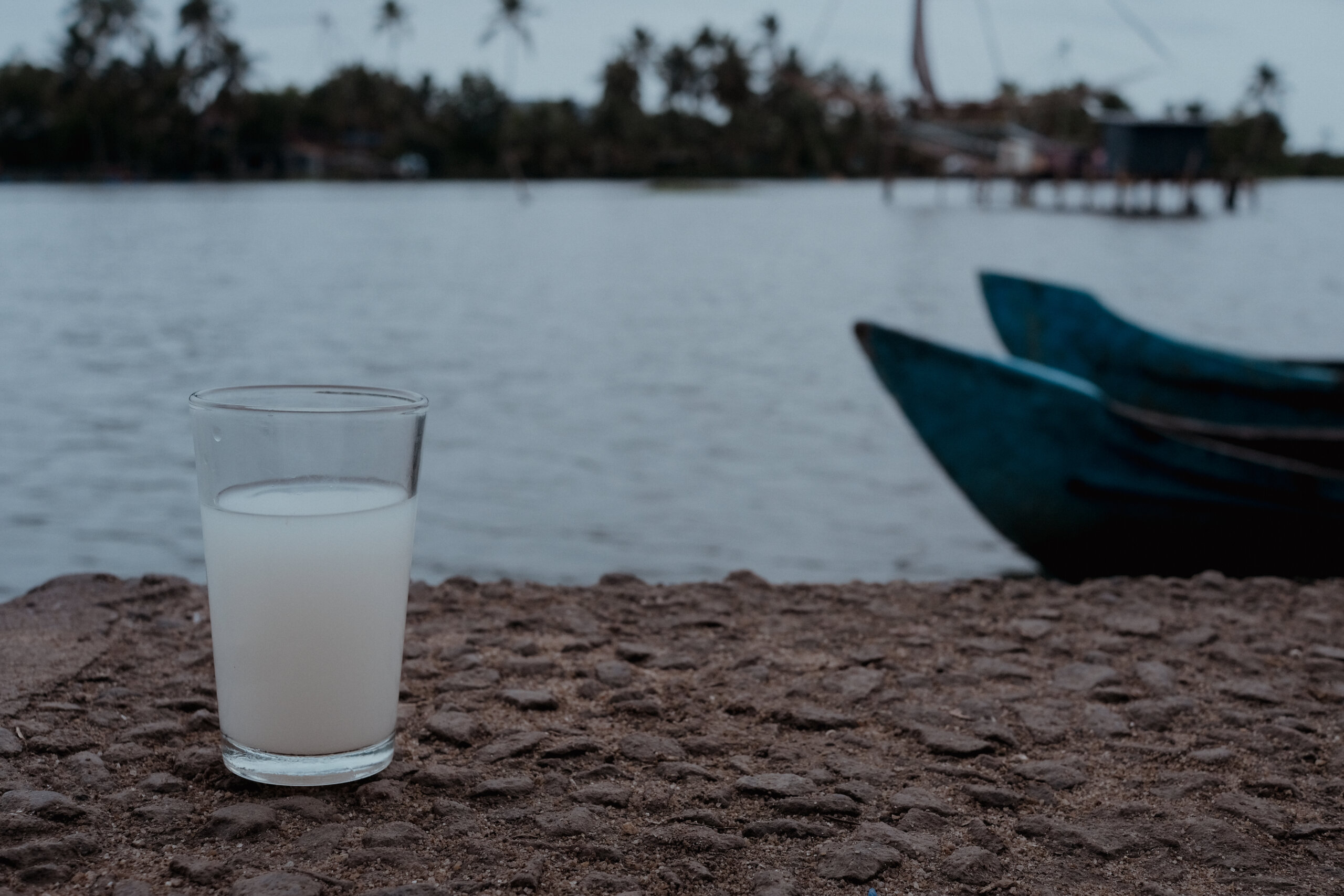
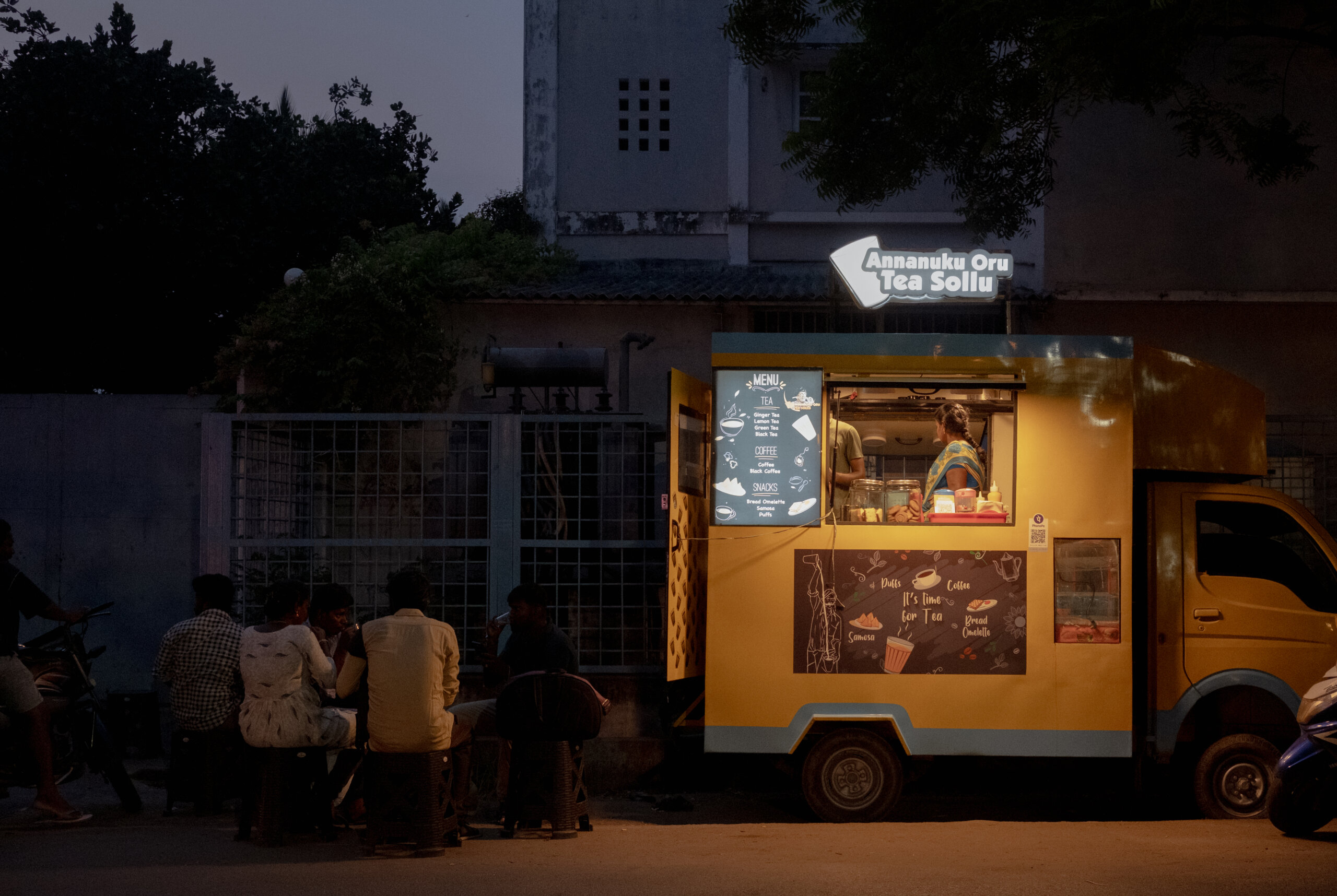
Subhash Naik, who runs a beachside stay in Sernabatim, told me that in every religious book, whether it’s the Gita, the Bible, or the Quran, there’s no place for hatred or communal violence. “But the government is trying to use religion to divide the community,” he tells me in Konkani. Sameer, all of twenty-three, is a Hubli native but has spent most of his life in Goa, and works at the stay that Shubhash runs. He tells me that in 2027, Goa will vote out BJP. “The government is doing nothing but unchecked development. People here don’t want that kind of progress. If they win again, they’ll sell every piece of land to Adani. He already has a port here”, he mentions as I pour some Limca into my glass of Urrak. It’s the season for the drink now, Iyno had told me.
Salt making is a cultural heritage. It’s also a sustainable way of producing this flavouring agent: the khazans are home to mangroves, which invite local and migratory avian life to thrive in the ecosystem. Salt pans are perennial wetlands used for solar salt, fish farming, and even saline-resistant paddy cultivation—rice being the staple grain of Goa. Communities come together in these areas from the time the salt pans are dried and flattened, all the way to harvesting and selling.

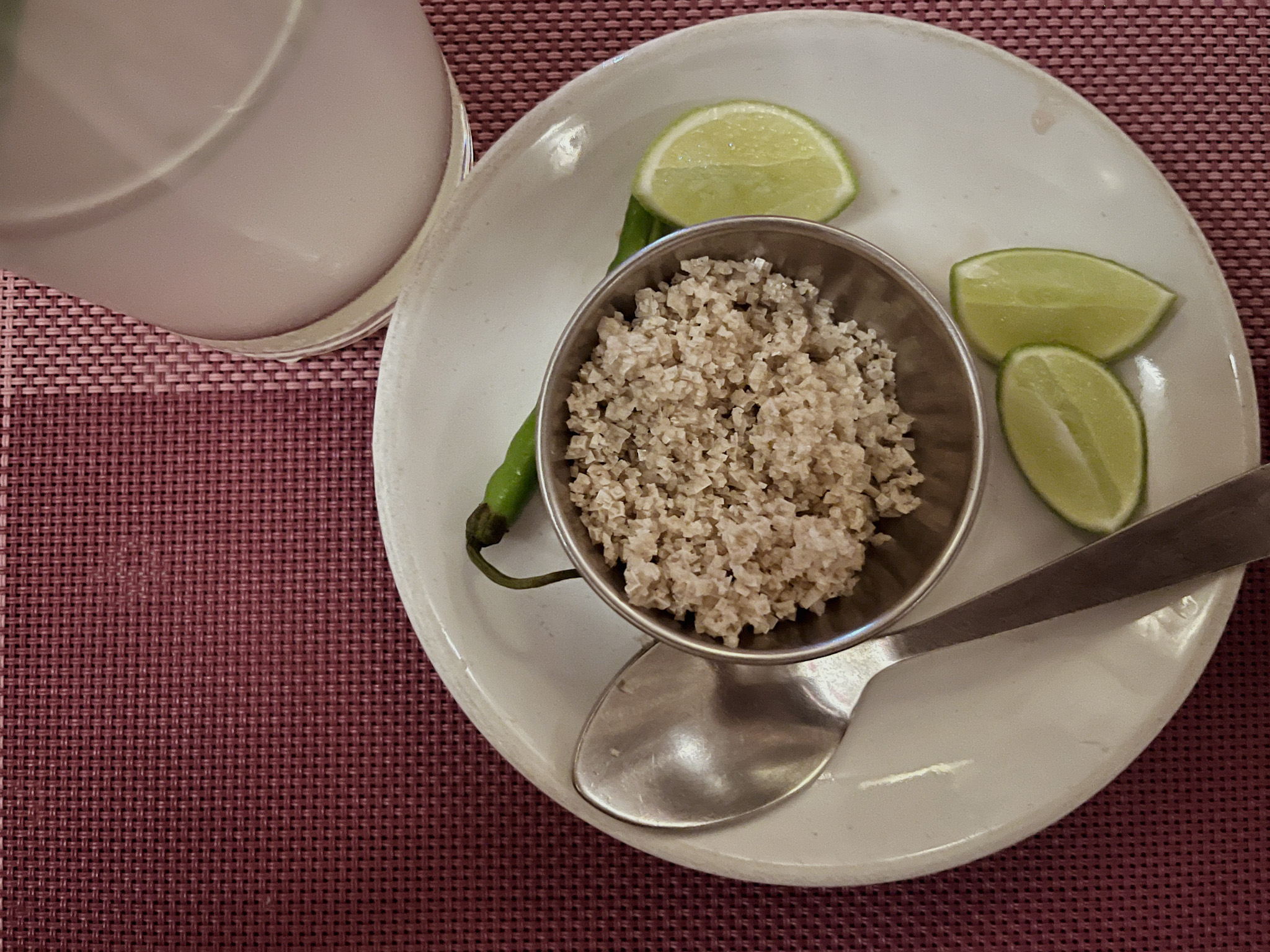
There is immense potential for Goa’s solar salt to grow. And there’s no better example of this than the French Fleur de Sel (flower of salt). A finishing salt by nature, it is one of the most expensive salts in the world, sought after in the global culinary space. The preparation and harvesting of fleur de sel—both labour- and time-intensive—are similar in some aspects to that of Goa’s solar salt.
Earlier this year, the Goa State Council for Science and Technology (GSCST) filed an application for a GI (geographical indication) tag for Goa’s solar salt. It will form an association of salt producers, which will play an important role in taking this identification and protection process forward.
Some restaurants use solar salt, says Salvador. “They either call us directly and tell us how much salt they want, or the salt trucks go to those areas and sell.”
As I take some pictures of the salt, I ask Salvador if there are any stories or legends around salt pans. He laughs and says, “If you aren’t aware of the bhoots and deities, and you say something untoward, they will spare you. But if you are aware of them and purposely say or do something to irk them, they will have their revenge. But nowadays, no one believes in this.”
I asked some of the salt sellers to pack a kilo of solar salt to take back home. They poured the crystals into a plastic bag and handed it to me. When I tried to pay, they vehemently refused. “Naaka, naaka,” (we don’t want it), they said. “This is our gift to you.”
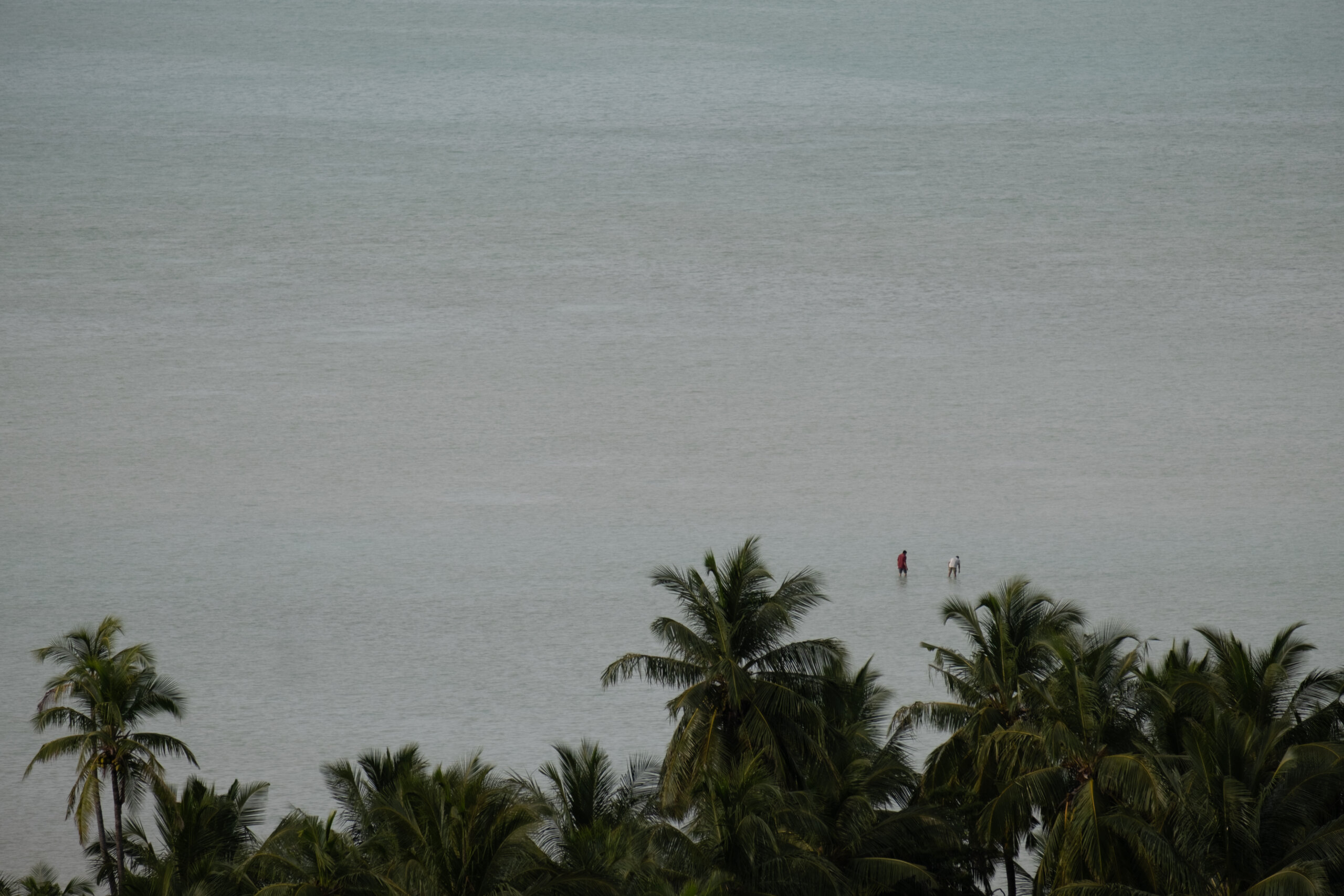
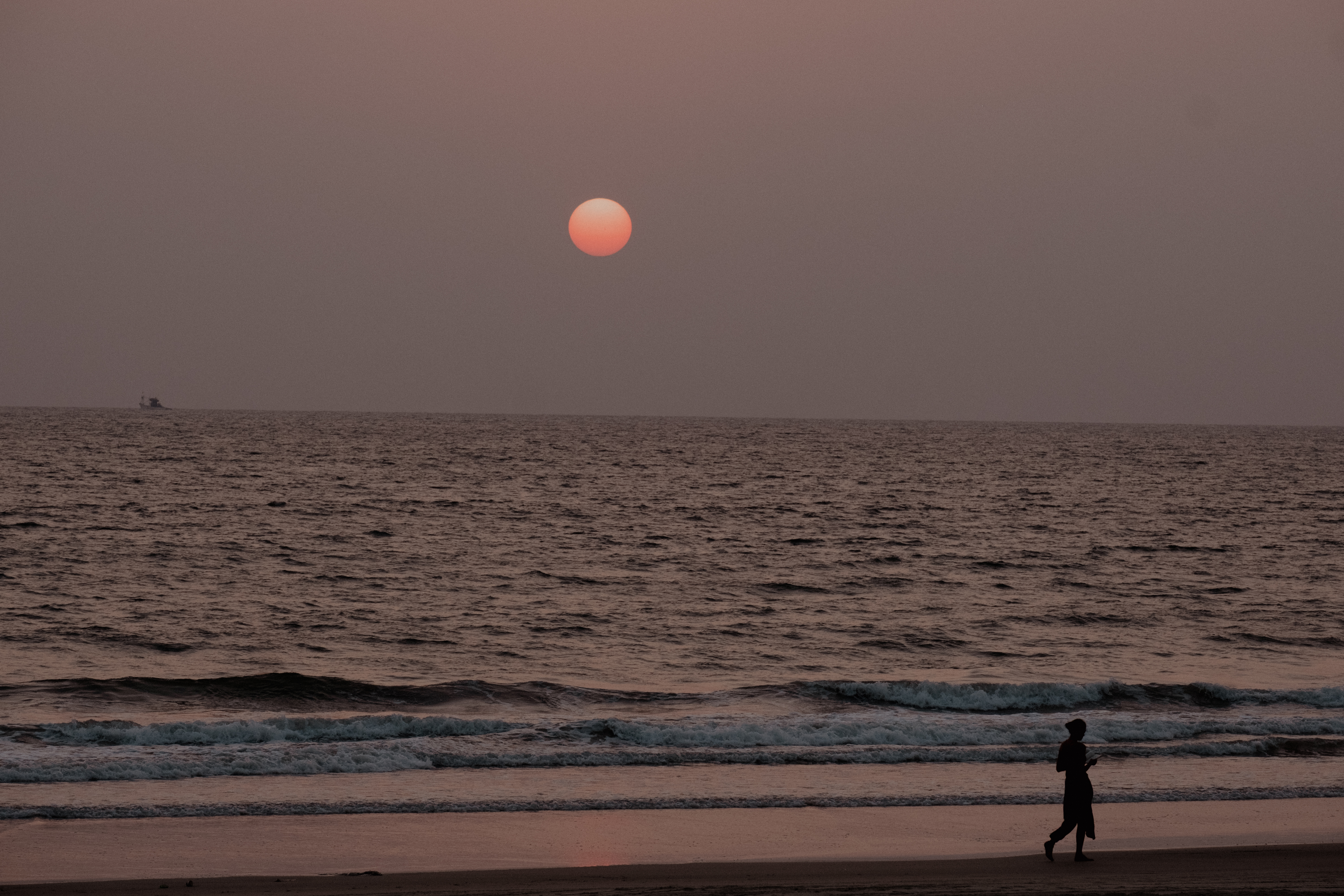
I sit by the Arabian Sea—the provider of life across the coast, the harbinger of salt. I walk towards the water, my feet leaving divets in the soft, warm sand. I continue to walk into the water. I dip my finger into the cool waves and put the wet finger in my mouth. I taste its saline body—the giver of sustenance, the lifeline of the people who depend on her. I wonder if the sea knows of what’s happening to her people, of how those who do not understand her relationship with her children are causing immense worry and pain to those who live by her gifts. Perhaps someday, soon, the salt workers of this susegad state will find respite. Perhaps they will be blessed with a government that understands their needs—that more often than not, preservation in partnership with communities, and not development, is the path to progress.
But for now, I take comfort in knowing that the local communities are trying to revive their dying, ignored craft, the best they can. “My wish is that the salt pans continue. It’s very hard work—making the bunds, harvesting the salt, moving them from the pans to the bunds, and then to the storage. I wish for it to be easier. I wish for all of this to live on,” Salvador tells me, when I ask him what he’d want from the future for the local mineral.
Salt may appear simple to most of us, and we often take it for granted. But the people who live by it know the full truth—of the complex process to make it, of the fight they are fighting to keep the tradition alive, of the numerous uses of the salt that they toil to produce, of how it has shaped their past and present, and of how it will mould their future. One with the sea, and with its many, many gifts.