Fourteen days in Greece.
It was finally happening.
When people would correct me and say, “You mean two weeks?”, I’d furiously shake my head.
“Nope. Fourteen days.”
Two weeks sounded too weak. Double-digits added just the right amount of weightage to a long-time bucket-list destination that managed to manifest itself out of a sheet of paper.
When KT and I applied for our visas, and when we received the stamped passports a fortnight later, we celebrated with sushi. “To the first of many trips together. Let’s hope we don’t die”, we toasted with glasses of water. Sake wasn’t available, to my dismay.
As the departure date approached, I dreamily embraced the blissful inevitability—crystal clear waters and powdery sand, whitewashed villages with blue-domed churches, summer cocktails and fresh salads, and some much-needed downtime. It was going to be the trip of a lifetime.
But I would miss home dearly. I love travelling, yet I yearn for my comfort zone when I’m away from it. I would miss my room, my bed, my cats, my parents. I will call them every day, I thought to myself, and show them all the pretty places.
Soon, I found myself inside Bangalore International Airport, lugging a big suitcase packed to bursting and a duffel bag that looked like an overstuffed ravioli. KT carried a large backpack.
“We’re only going for two weeks. What on earth have you packed?”
“Fourteen days! And you’ll thank me later. These are supplies you’ll come crying to me for when you realize that Greece isn’t like home. There aren’t health faucets or bidets there.”
“I wonder what Bahrain airport will be like”, I murmured, dreading the 7-hour layover before us.
“Shouldn’t be too shabby”, was the groggy response from the seat to my left.
On the flight, I pored over a meticulous itinerary that covered transportation, sites, dishes to try, important words, and things to avoid.
What it didn’t prepare us for was the ‘not too shabby’ stop in Bahrain.
The airport was cold, both in temperature and in the people. Seating arrangements forced us to stay awake. Announcements had a megaphone-esque boom to them, dispelling even the semblance of a nap. Restaurants seemed unmanned. While the layover saved us some bucks, I wondered if the savings were worth the muscle soreness, sleep deprivation, and the crankiness that were fast setting in.
“I can’t wait to get to our hostel and into a warm bath. My bottom half is numb.”
“We have to figure out how to get to the hostel first. We need to catch a bus, neither of us reads Greek, and we won’t have internet.”
“Wonderful. Remind me to book a sushi lunch to celebrate returning home without having torn the hair out of my head.”
Athens was incomparable to any city I had been to thus far. It was lively, clean, and welcoming right off the bat. We boarded a bus that dropped us a hundred metres from our hostel. The conductor even pointed us to a shop to get local SIMs.
The hostel was modest, our hostess was a delight. She was from France and had been living in Athens for a few years now.
“She reminds me of someone back home. I can’t put my finger on who, though,” I said to KT as I pondered over which drink to order at a local bar.
“You’re right, maybe someone from work? What’s taking you so long to pick a drink?”
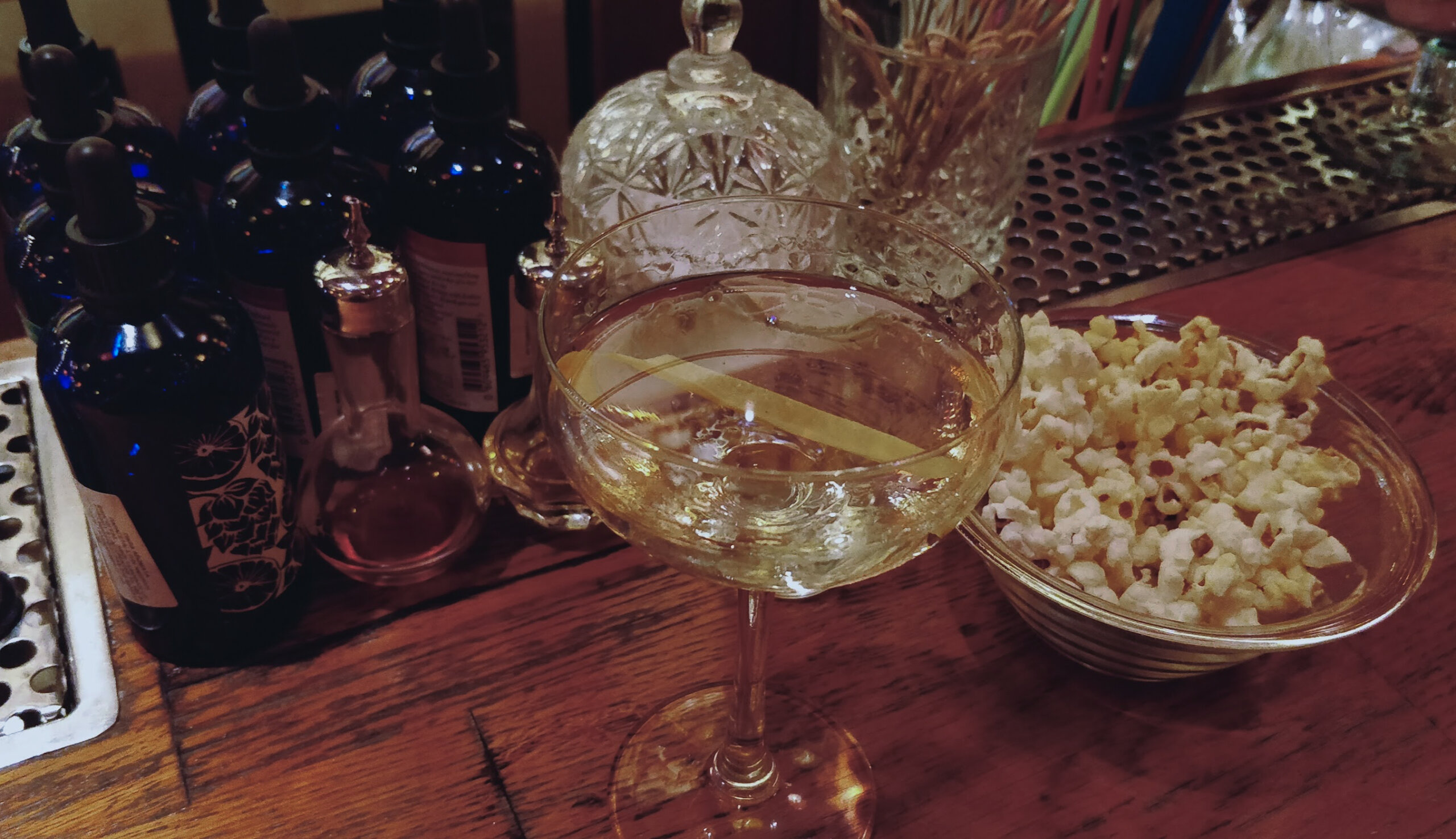
“It’s my first one in Greece. It demands careful consideration.” The bartender, a long-haired and bearded man, agreed and nodded at us.
“Where are you from?” he enquired.
“From India”, I answered before KT could speak with a mouth full of free bar snacks.
“Beautiful country! I’ve been there once. I will visit again”, he said definitively.
“That’s great!” I piped. I had questions for him—where in India had he been to already, where would he like to go next, how does he keep his hair so shiny, what places in Athens does he recommend as a local.
But the drinks had arrived, and in the excitement of tasting Athenian alcohol and capturing our first memories of Greece on film, I let go of my questions.
The Acropolis and the Parthenon had wowed us beyond belief. So impressed were we by their size and history that we almost forgot about how we had to fork up two euros for what looked like friendship bands we didn’t even want.
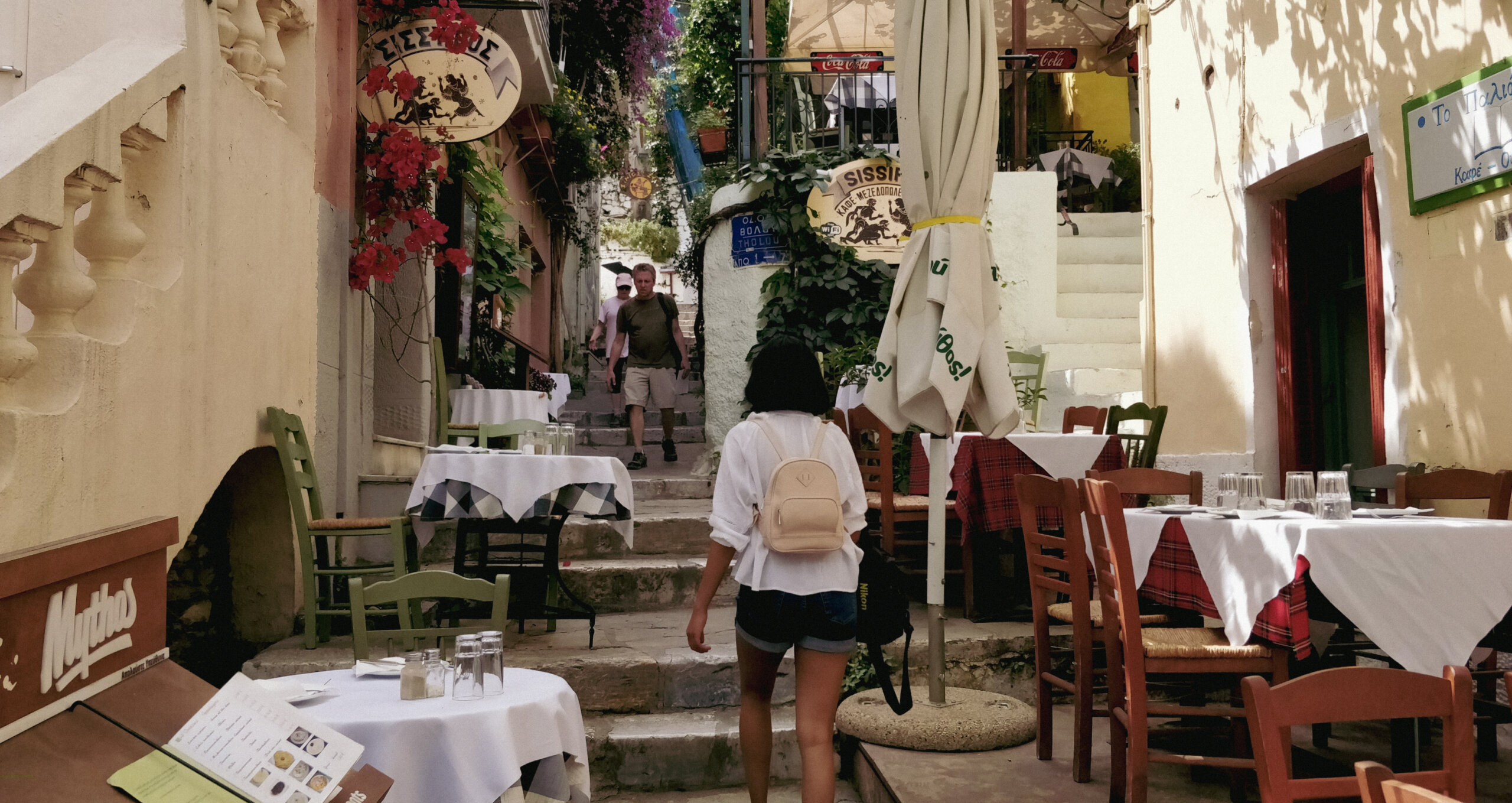
“Well, the bands are funky. Plus, the money is for a good cause”, I said as I took a big bite out of my pita pocket, in the heart of Athens. Falafellas makes mouth-watering falafel, tabbouleh, and hummus, I had read.
“What ‘cause’? They’re musicians, if you believe them”, KT responded. “I play the guitar too, I should’ve taken the two euros back. Uff, this root beer is gassy.”
“Jamaican culture is a good cause. Isn’t it nice, though? First, the girl trying to sell us overpriced roses in Monastiraki Square, and then these men coercing us to buy overpriced friendship bands. Feels like I’m on Brigade Road or Commercial Street back home”, I grinned.
“For sure! I feel like eating another gyro too, just like back at home. Show me the Acropolis pictures? You’re taking ages to eat anyway.”
Our next stop was Delphi, a mountain village four hours from Athens. We picked up some fruits and boarded the subway to the Liossion bus station.
“Why do I smell Iyengar’s bakery here?”
“It’s that cart behind you. I see some bread-like things in there.”
If there’s one thing I can’t resist, it’s the smell of warm, freshly-baked bread. I walked to the cart and peeked through the glass casing.
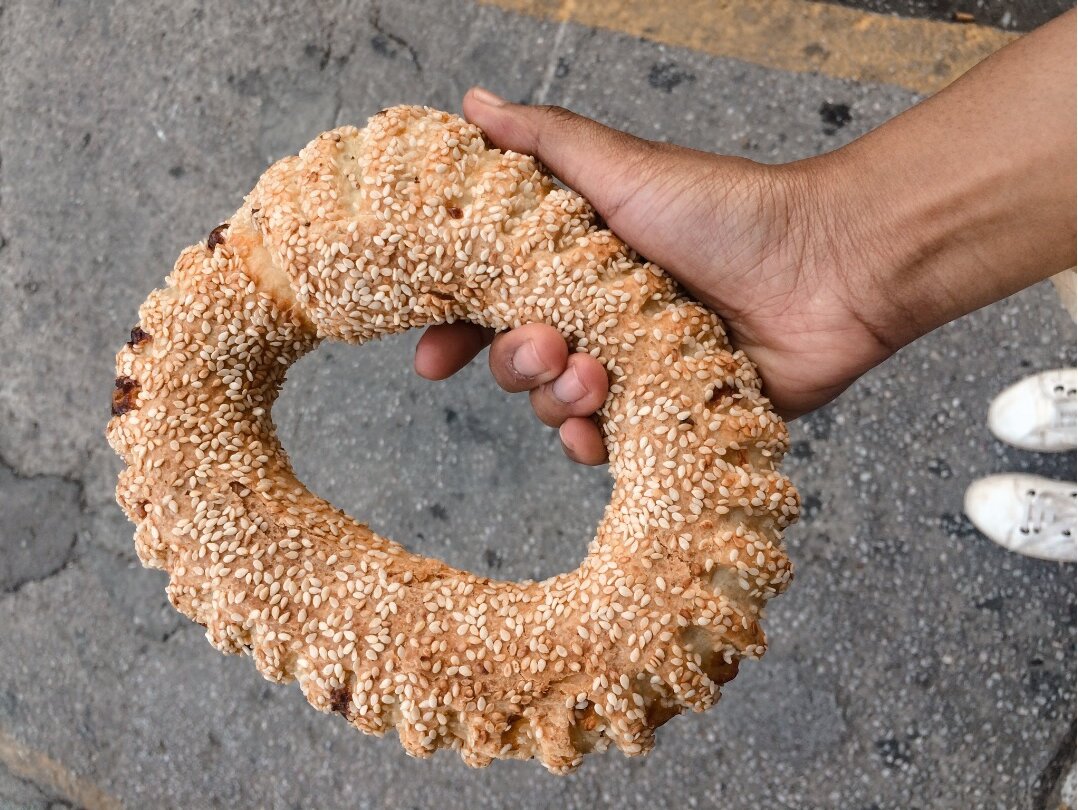
“Koulouri, it says. One for you, too?” I asked, impressed by the amount of Greek I had picked up in just two days.
“You have eyes bigger than your stomach”, KT pointed out rightly, “so just get one. I know you’ll make me finish it.”
We boarded the bus with luggage, bananas, and a spinach-and-feta stuffed sesame bread ring in tow.
“I was right”, I said as I took a deep whiff of the koulouri. “It smells like Iyengar’s. It smells like home.”
Delphi charmed us more than I thought it would. The crisp mountain air was a welcome change from city smells, as was the absence of tall buildings and busy streets. We stayed just ten minutes away by walk from all the sights we wanted to see, including the Delphi Museum and the iconic Temple of Athena Pronaia.
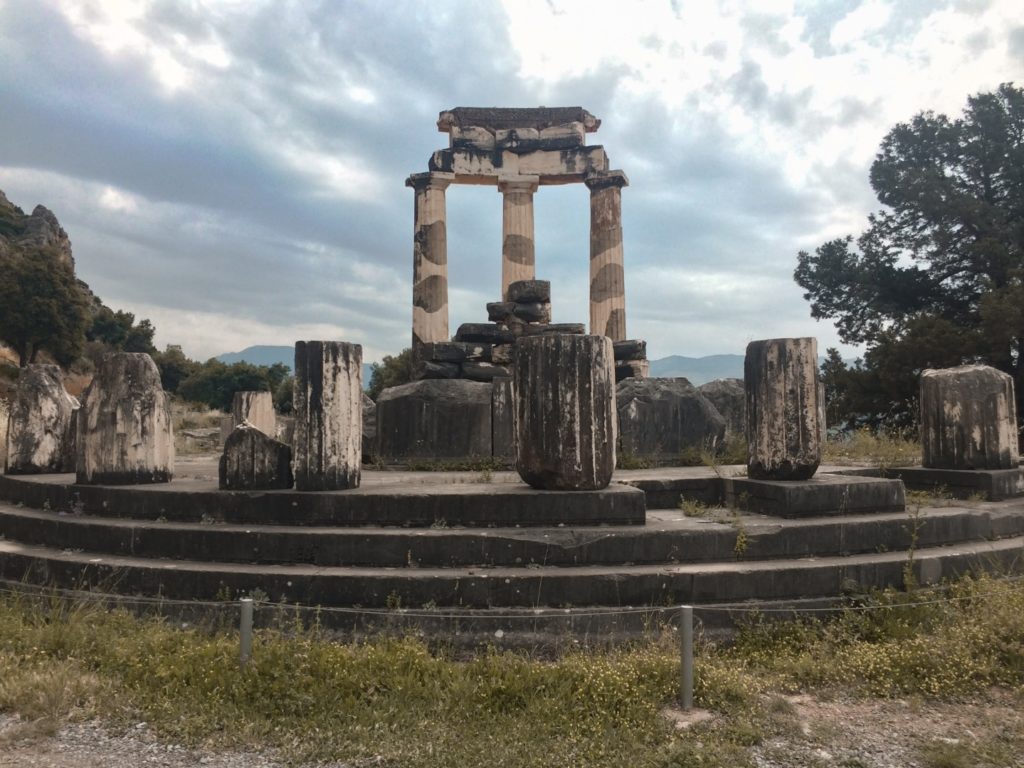
“The village feels like Christmas, no?” I remarked. “The weather, the little lights everywhere, the greenery, the small houses. I love it here!”
“You’ll love it only for a while. You don’t do well in cold weather. You need desi heat for some reason, like a reptile. But you’re right. The place does have a wintery feel to it. I’m glad we packed jackets. It’s going to be a chilly evening.”
“This cheap wine helps. I feel warm already, like I’m under my razai in my room back home.”
We were back in Athens, but I wasn’t looking forward to the night.
I had booked a lovely penthouse for a good night’s sleep before we embarked on a long journey across the sea to our next stop. But the penthouse had been double-booked; I found out just as our bus was departing Delphi for Athens.
I enquired if we could get beds at our hostel, but it was booked out. Every place we could afford was. I was mentally preparing myself to sleep on one of the hostel’s benches when I found a hotel in Menandrou.
“It has a 6.5 rating. Is that good or bad?”
“It’s above 5, it should be okay? We don’t have any other option, anyway”, KT said as he hailed a cab.
“Mendandrou? Sir, it’s not good. Especially at this time”, the driver told us, looking genuinely concerned.
“We’ll be okay, sir. Please take us, thank you.”
Within ten minutes, he dropped us outside a looming hotel that looked like it could use a fresh coat of paint, or ten. The street was dark, littered, and smelled of garbage—a stark contrast to the Athens we had seen and loved.
“Well, now we know what a 6.5 rating looks like from the outside. Care to venture in?”
“Do we have a choice?”
“Also, these signboards… it’s dark to tell, but are they in Hindi?”
If the hotel’s exterior was off-putting, our room made us reconsider sleeping on the hostel benches. What we thought were velvet curtains ended up being drapery covered in a thick layer of dust. The bedding had dark stains and emanated a sickly, damp smell. The bathroom screamed for a deep clean. There were sounds of fighting outside.
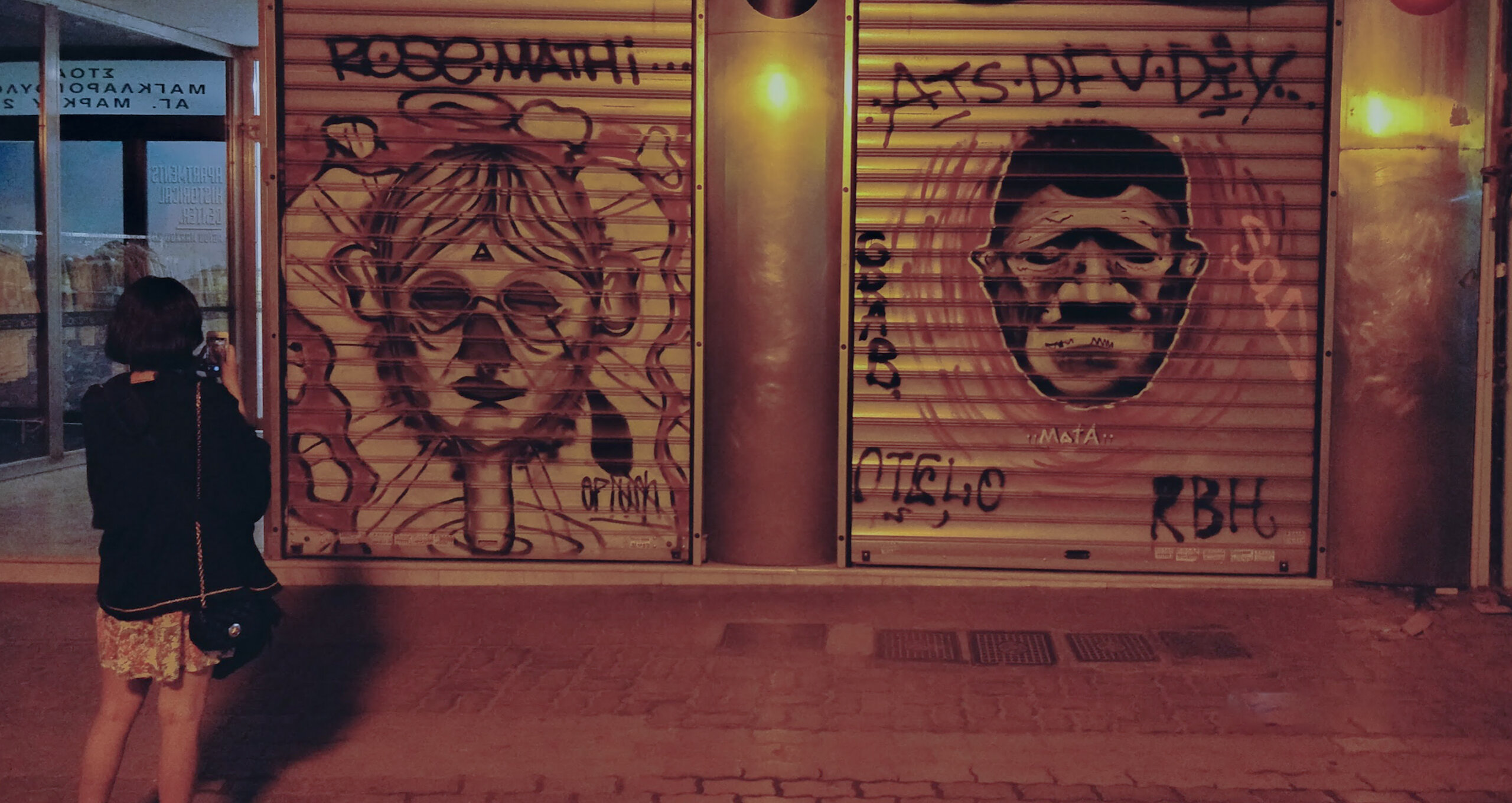
“Why does this room feel evil?”
“I’m sleeping next to the door so that I can escape in case something happens.”
“Bravado becomes you”, I said. “Peeked into the bathroom?”
“Yes, and never again. How much are we paying for this place, anyway?”
“Umm… 30 euros.”
“Good lord, aren’t we paying that much in Santorini? This is a dump! And the sounds outside, they remind me of…”
“Home?”
“Yeah! I mean, it’s just like the dogs howling and the people arguing in my area.”
We checked out before dawn, wearing puffy eyes and clothes from the previous day.
“If we smell, we’ll tell the ferry passengers that we stayed in Menandrou. I’m sure they’ll understand”, KT said as we hurried past shops that hadn’t opened yet.
“Hey, you were right, sort of. It isn’t Hindi on the signboards. It’s Bengali. Let me check.”
As I made several typos on my small screen, I noticed many storefronts that appeared familiar, in a non-menacing way, unlike the sounds from the night before. Sleepy faces began to slowly show themselves, faces that looked like ones from home.
My phone came alive as the page finally loaded. Menandrou is a settlement for Bangladeshis in Greece, it said. The Bengali store signage and Indian-sounding restaurant names now made sense. We also crossed stores that sold spices, loose tea, and masalas, much to my delight.
“I think I can explain the wailing and arguing from last night. We were in a part of Menandrou that’s notorious for drug dealers and prostitution. The biggest crime is still them charging us 30 euros for that room!”
“I’d rather buy four more friendship bands from the Jamaicans instead.”
If Delphi was charming, the island of Milos was otherworldly. It was full of gorgeous beaches, each with a different type of shore—from limestone cliffs and sea-smoothed pebbles, to what looked like the surface of the Moon—all with an unchanging backdrop of the jewelled blue Aegean Sea.
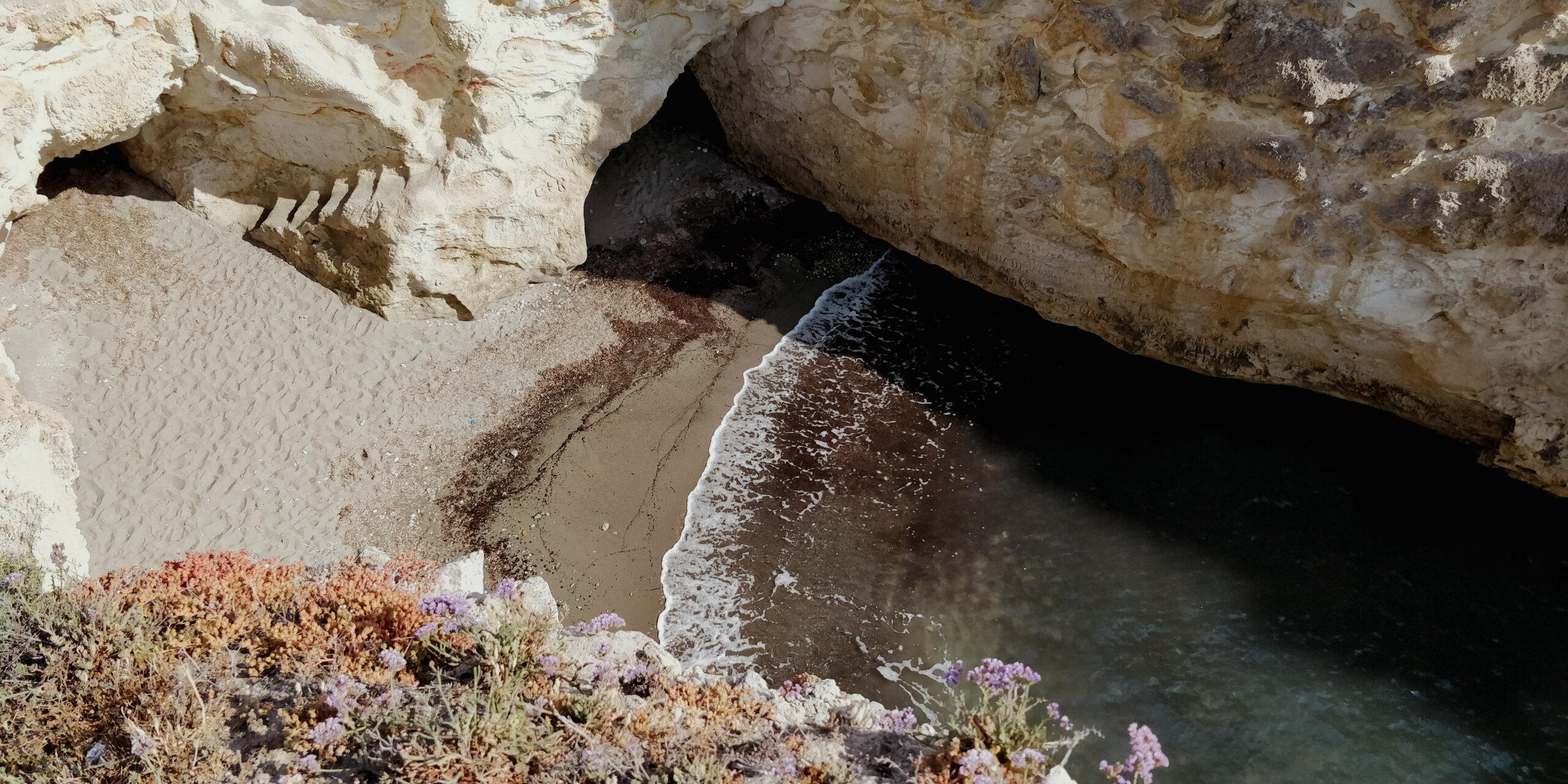
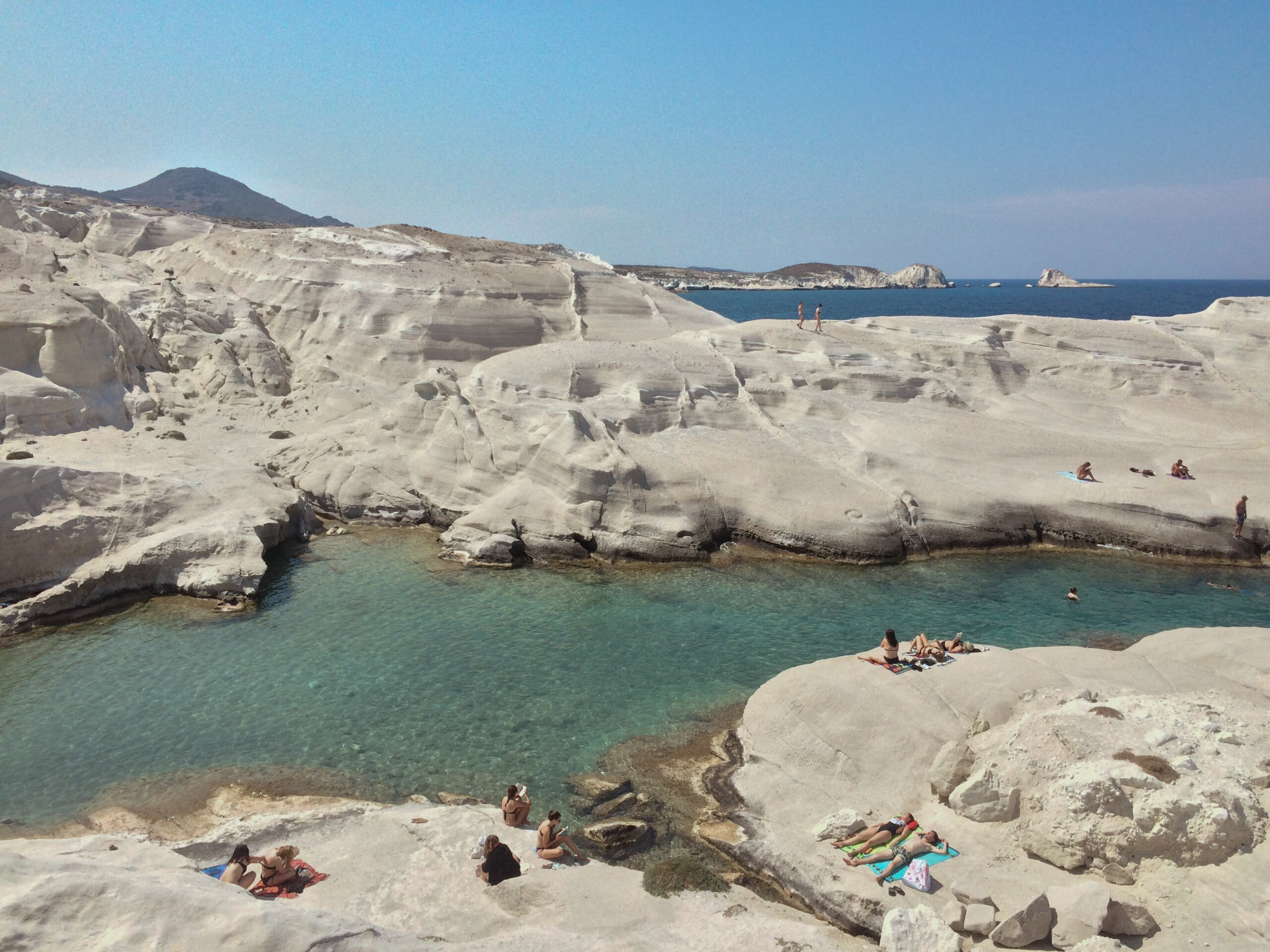
Our days had us feasting on fava and pitarakia, and savouring sweet island wine and spicy raki. In the evenings, we walked several kilometres to see the little fishing village of Klima, the catacombs of early Christians, and up the Kastro in Plaka to witness a glorious sunset.
Only, we were a bit late.
By the time we reached the castle, the golden orb had buried itself under the horizon. It was kind enough to lend the sky a wash of orange, pink, and blue against a glowing sea. I was setting up my phone to record a time-lapse of the sky—a tricky exercise considering the wind had picked up a few knots—when KT called out.
“Someone left their passport!”
“Who could be that careless?” I yelled over the wind, spitting out my hair from my mouth.
I didn’t get an answer, so I walked over to where KT stood, by the edge of the castle wall.
“It’s an Indian passport”, he said.
“Yikes! Okay, how do we find them? Do we just look for brown people? Do we call the number in the passport?”
Before we could decide, we spotted them. The Indian couple, who seemed to be on their honeymoon, was clicking photos around the Kastro, unaware that one of them is missing their passage back home.
I walked up to the woman and asked her if she was missing her passport. A quick check later, she said yes, and her face turned from one plastered with wedded bliss to one wrinkled with worry. After verifying her name against the passport, I handed it to her.
“Thank you so much! We’re to fly back home tomorrow, and we would’ve had to contact the Embassy.”
“Don’t worry about it. I’ve misplaced my passport tons of times before, too!” I lied through the friendliest smile I could smile.
“Where are you from?” KT asked.
“Originally from Delhi. But we work in Bangalore.”
“We’re from Bangalore too!”, I squeaked.
While walking back from Klima, I had spotted a little restaurant nestled in a cave-like space. I had untidily scribbled in my notepad: have dinner at cave restaurant.
Barriello turned out to be quite a find, located in a 150-year-old structure that also houses catacombs. Through the low-arching doorway, amber lights, glazy mirrors, and red upholstery gave the space a snug ambiance.
“The place looks like what a hug feels like,” I said, having perused the menu and mentally noting my choices.
“I really dig it! Great find, Vas. I know what I’m ordering, do you?”
Our drinks arrived first—a glass of red and a local beer. We cheered, clicked pictures, and went over our time in Milos. Our food arrived shortly after. Post long walks and many swims, we were famished; we wasted no time digging in.
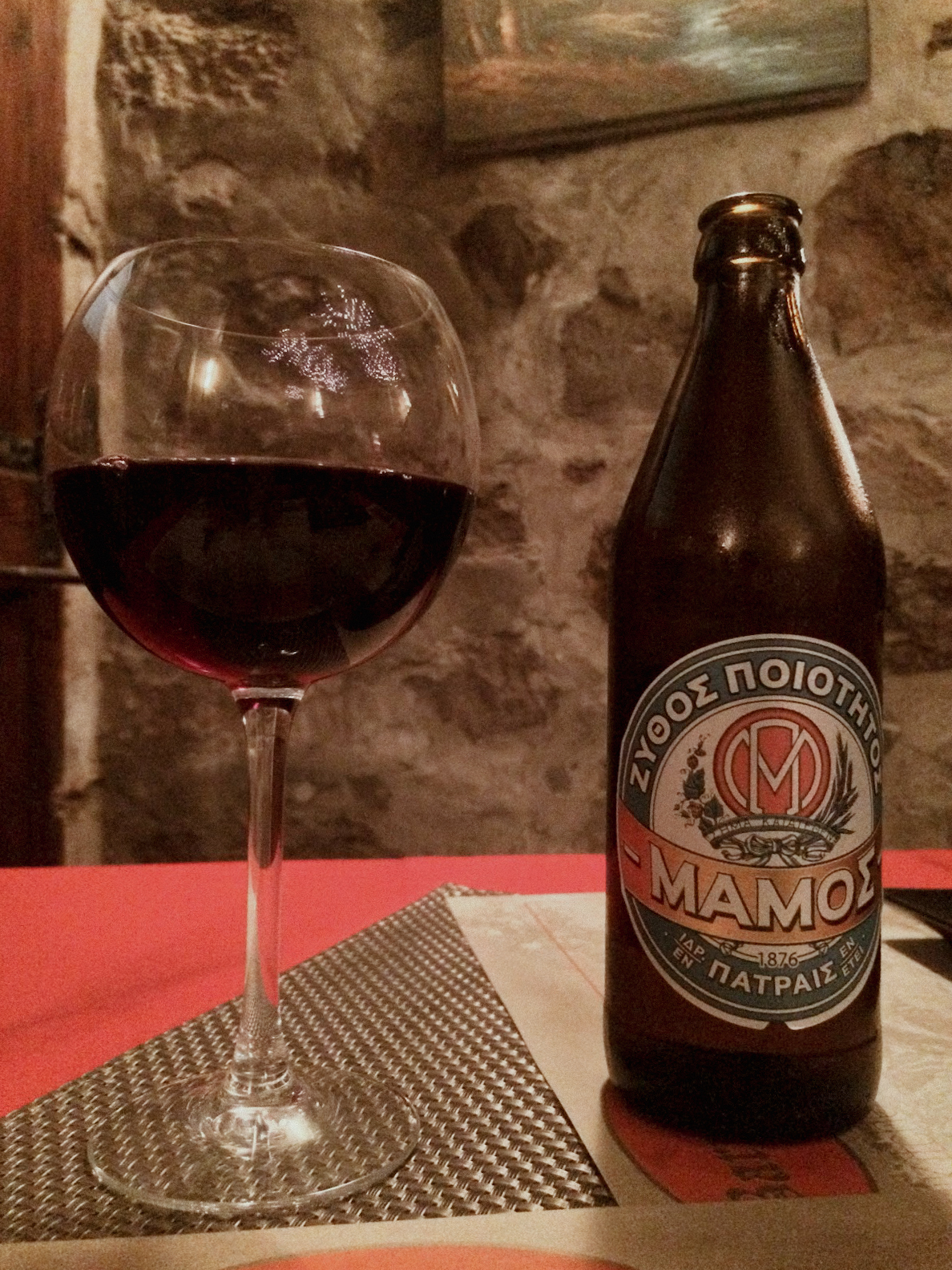
I noticed a man making rounds at each table, pausing to talk to each diner. He looked like he was the owner of Barriello.
“Are you liking the food?” he asked us kindly when he arrived at our table. He was tall and well-built; the kind of man who grew up on local produce, red meat, and island wine. An inviting tone, a friendly face.
“Yes, it’s quite delicious, thank you! Our compliments to the chef”, KT said.
“Yesh, ish delishus”, I added, with a potato-stuffed mouth.
“Thank you, that’s good to hear. Would you mind telling me where you are from? Are you Indians?”
“Yes, we are! Have you been to India?” I asked, finally having swallowed the chewed potato.
“Many times. I’ve mostly visited the north—Delhi, Uttar Pradesh, Rajasthan, and some other places. I often visit for the food. I’ve been to the south also, but only once. I love your Indian beers.”
“Oh, which one?”, KT asked, showing off his penchant for beers.
“Kingfisher, of course. And none of that light stuff. The real thing. The one in the green bottles. Premier?”
“Premium”, I corrected him. “You really like Kingfisher? Or are you just saying that to make us Indians happy?” I smiled.
“I wouldn’t lie to you in my own restaurant, miss. It’s my favourite beer in the world. Even better than the Greek ones”, he laughed, with a wink.
“Cheers to that!”, KT responded.
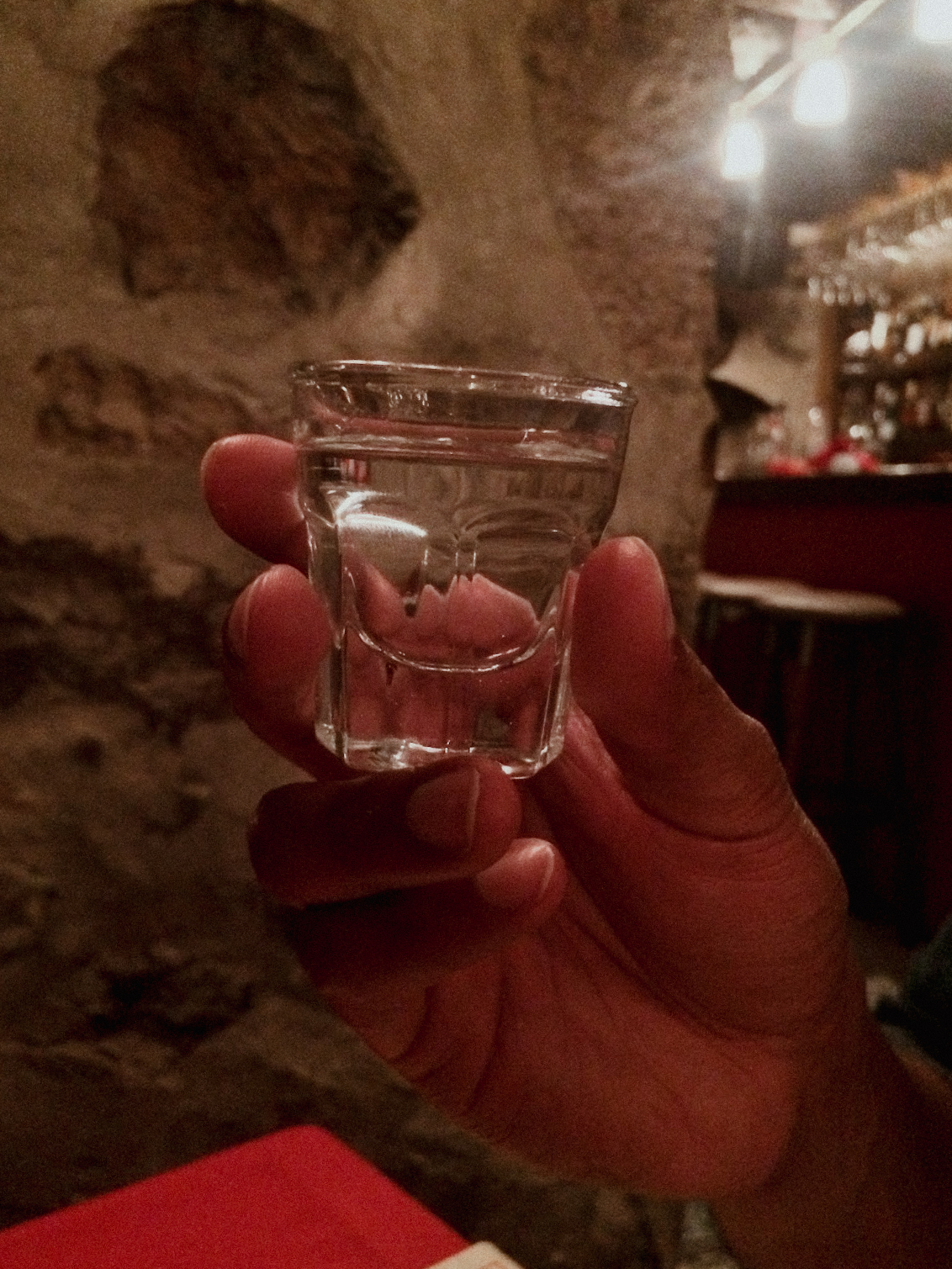
“Since you come from a place I love very much, I’d like to give you dessert on the house. It’s called Mastika. Try it out.”
I quickly looked it up on my phone. Made from the resin of the mastic tree, it’s a sweet liqueur with a piney taste.
He returned with two shot glasses filled to the brim with a slightly dense, transparent liquid. I caught its herby aroma from a distance.
“Hope you like it. And I hope you visit again, my friends”, he said and moved to the next table.
“Well, cheers again!” KT tilted his shot glass in my direction and emptied its contents in one gulp.
I chose to slowly savour this benevolent gesture from a Greek stranger. Every sip of Mastika warmed my insides; it tasted like sweetened tree bark and the earth.
“How atithi devo bhava of him, no?”, I remarked
“I’d never say no to free food or alcohol. And this thing is so dang good! Remind me to pick up a bottle at the duty-free zone. I need me some mastic sweetness for my kitchen.”
Santorini was as beautiful as the pictures on social media and the web showed.
It was also packed with tourists, especially in the upper curve of the caldera.
“Shivajinagar vibes, this bus station is giving me. Where is the international decorum?”
“We’re all the same, KT. Indian, Greek, English, French—when it comes to getting a seat on a public bus, decorum goes out the window.”
The rush led us to skip the ‘must-see’ sunset at Oia. Instead, we got off at Megalochori, walked through a vineyard, and watched a sunset that we rave about to this day.
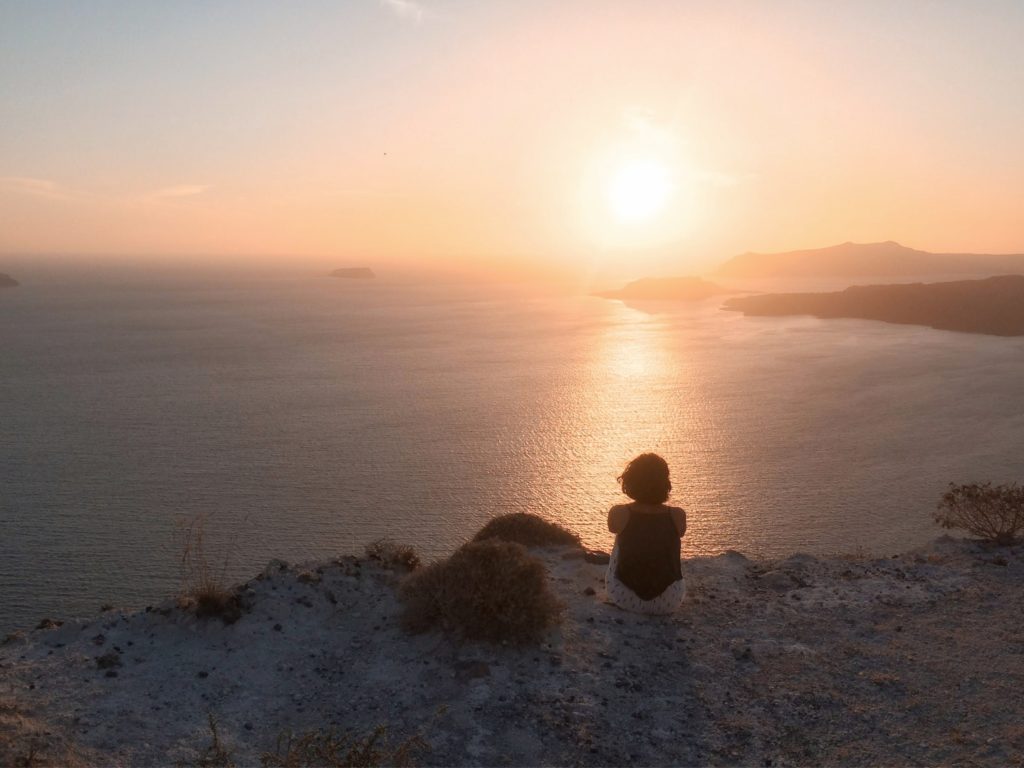
“You can cut diamonds with my goosebumps. Please, just give me your scarf, I’m so cold.”
“Wuss”, I replied, as I handed my whipping-in-the-wind translucent scarf to KT.
As the sun finally bid us adieu, I thought back to how the crowd at the bus station, while rubbing sweaty arms against mine, made me feel at ease. Santorini is a major tourist attraction, especially for the Insta-famous. I was dreading being surrounded by the glamorous and the well-dressed, because I don’t have an eye for putting together a passable outfit. But the people were unbothered about what the other was wearing or doing. Their only goal was to get a seat on the bus. I felt right at home.
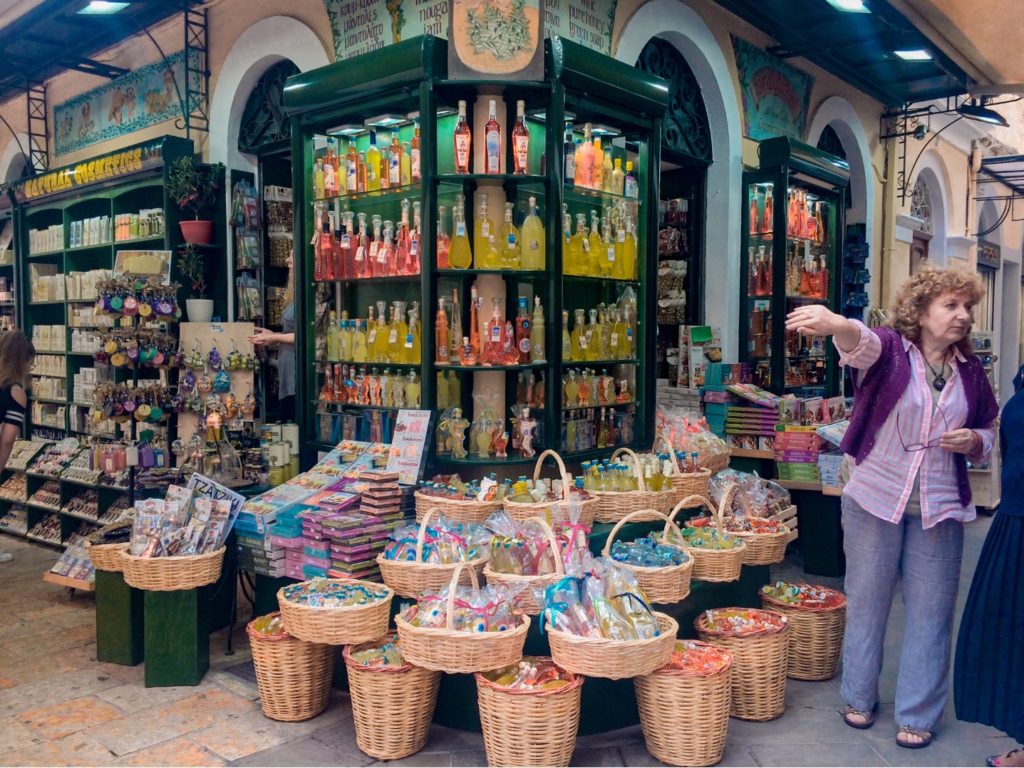
Corfu was a treat, considering we had spent days being blinded by the reflective white walls of the homes in Milos and Santorini. Here, the quintessential Greek colours we had grown to know were scarce. With Venetian architecture, cityscapes dyed in soft hues, and seas flanked by forested cliffs, Corfu stole my heart.
“What is this tiny orange, and why does it taste so good?”
“Kumquat. It’s literally written in English, don’t be so lazy. Also, where do we get tickets from?”
We were standing outside a bus shelter in the village of Agios Gordios, hoping it wouldn’t rain. The sky was beginning to get overcast, and our summer wardrobe lacked an umbrella.
“Let’s ask someone in the store?”
We walked into the mini market next to the bus shelter. While I made my way to the counter to ask where we could buy bus tickets to get to Corfu’s old town, KT was foraging for snacks and more kumquat.
“KT, they sell tickets right here! At the counter!”
Behind the counter stood a happy-faced, plump Greek woman. She was wearing an apron over her brown dress, and pointing to a sign that read ‘bus tickets here’.
“Hello, how can I help you today?”—a voice from behind me.
I turned around to find a middle-aged Greek man, just as plump as his wife. His face, too, bore the same signs of contentment as hers.
“Sir, could we have two tickets to Corfu town, please?”
“Of course! Where are you staying?” he asked as he typed on an old keyboard.
“We’re staying just up the road, in that house with the trees”, I said, pointing to our stay. I immediately regretted showing our whereabouts to a stranger.
“I know the owners. Very nice people. They are friendly to you, no?”
“Yes, they’ve been very kind to us.”
More typing, more clickety keyboard sounds. “So, where are you and your husband from?”
“Oh, he’s not my husband. We’re just good friends. In fact, we’re not even girlfriend and boyfriend; he has a girlfriend back home”, I said, embarrassed at needing to explain the dynamic of my friendships to a man I don’t know.
“Oh, not husband? Hmm.” A wave of mild panic rose in me. Many in Greece, just like back home, are quite orthodox about these things. They were so in Milos, so we didn’t bother correcting them when they assumed KT and I were a couple.
“How much do the tickets cost?”
“5 euros, miss. Sorry, where are you from?”
“We’re from India”, KT said, as he finally appeared, having emptied the aisles of packaged kumquat.
“Aha, I thought so!” the man said, oddly cheery. “My wife’s niece is married to an Indian. That means you are our cousins!”
“Wow, really? That’s awesome! Where in India is her husband from?”
“I think he’s from Telugu? Telugu Nadu? I’m sorry, I don’t know properly.”
“He’s probably from Andhra Pradesh or Telangana. They speak a language called Telugu there, so you’re not wrong”, I said, hoping to make him feel better.
He handed us the tickets. “You are family now. I am Greek, you are Indian, and my wife’s niece is Greek, but she married an Indian!” The joy in his voice was so genuine and infectious that KT and I couldn’t help but agree with him—yes, we’re family.
“Sir, we have to leave now. But we’ll come back to pick up snacks later”, KT said.
“Yes, yes, this is your home now. I will talk to your host and make sure you are very comfortable there. Come back to the shop anytime. You always have a home here, cousins.”
We spent the rest of the day exploring the charming town of Old Corfu. We walked along the port in light rain, caught the wrong bus, ordered too many dishes for lunch, and finally found ourselves inside the Museum of Asian Art.
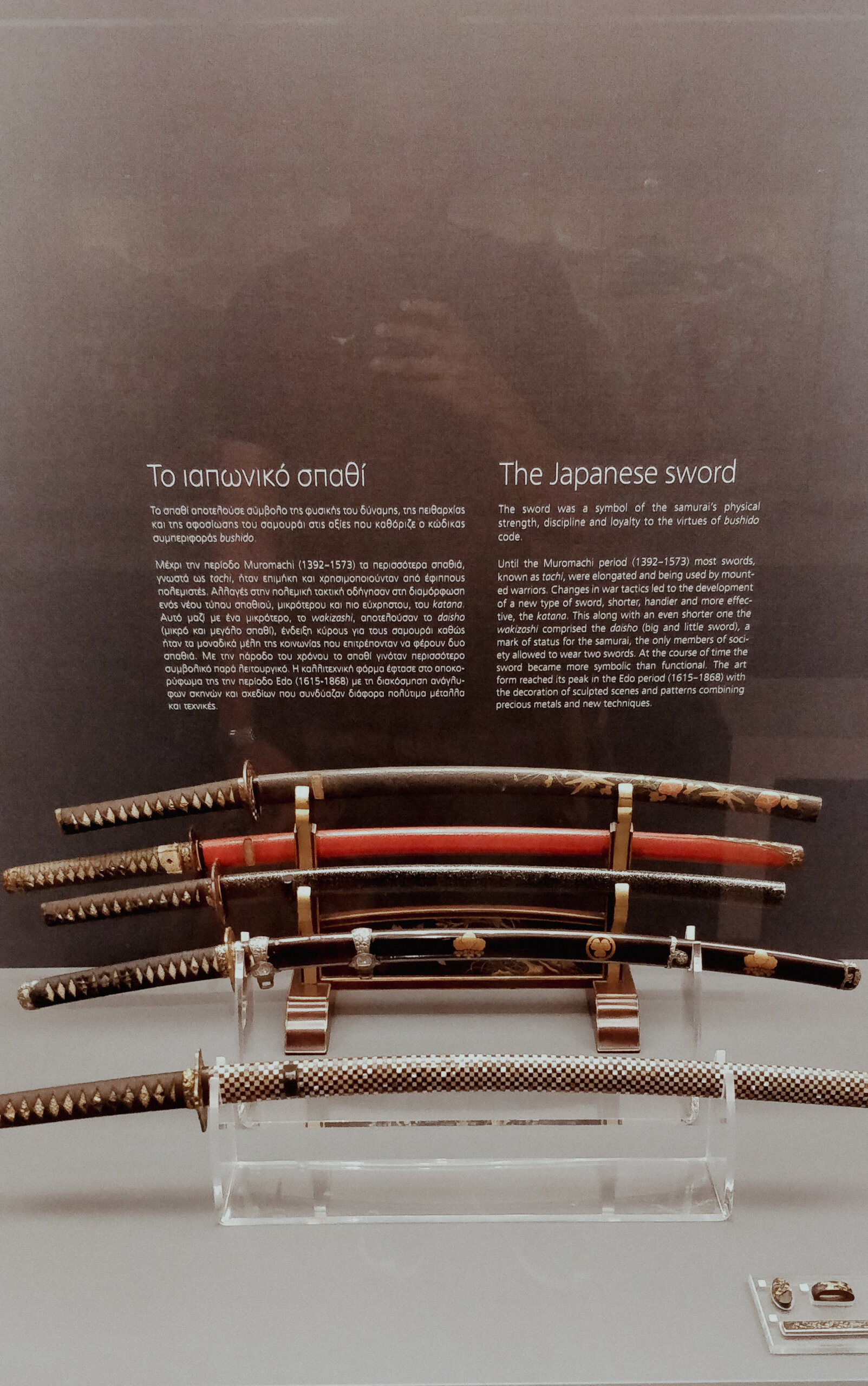
“You know, I really liked all the museums we’ve seen so far, but this one’s my favourite. Look at all these Samurai swords!”
“I loved the Santorini one. The artefacts tied so well with the stuff we saw in Akrotiri. Now, where’s the pottery section? I really want to see….”
My voice trailed as I took a turn into the Indian section. Sculpture after sculpture of familiar gods and goddesses in deep browns and aged bronze greeted me.
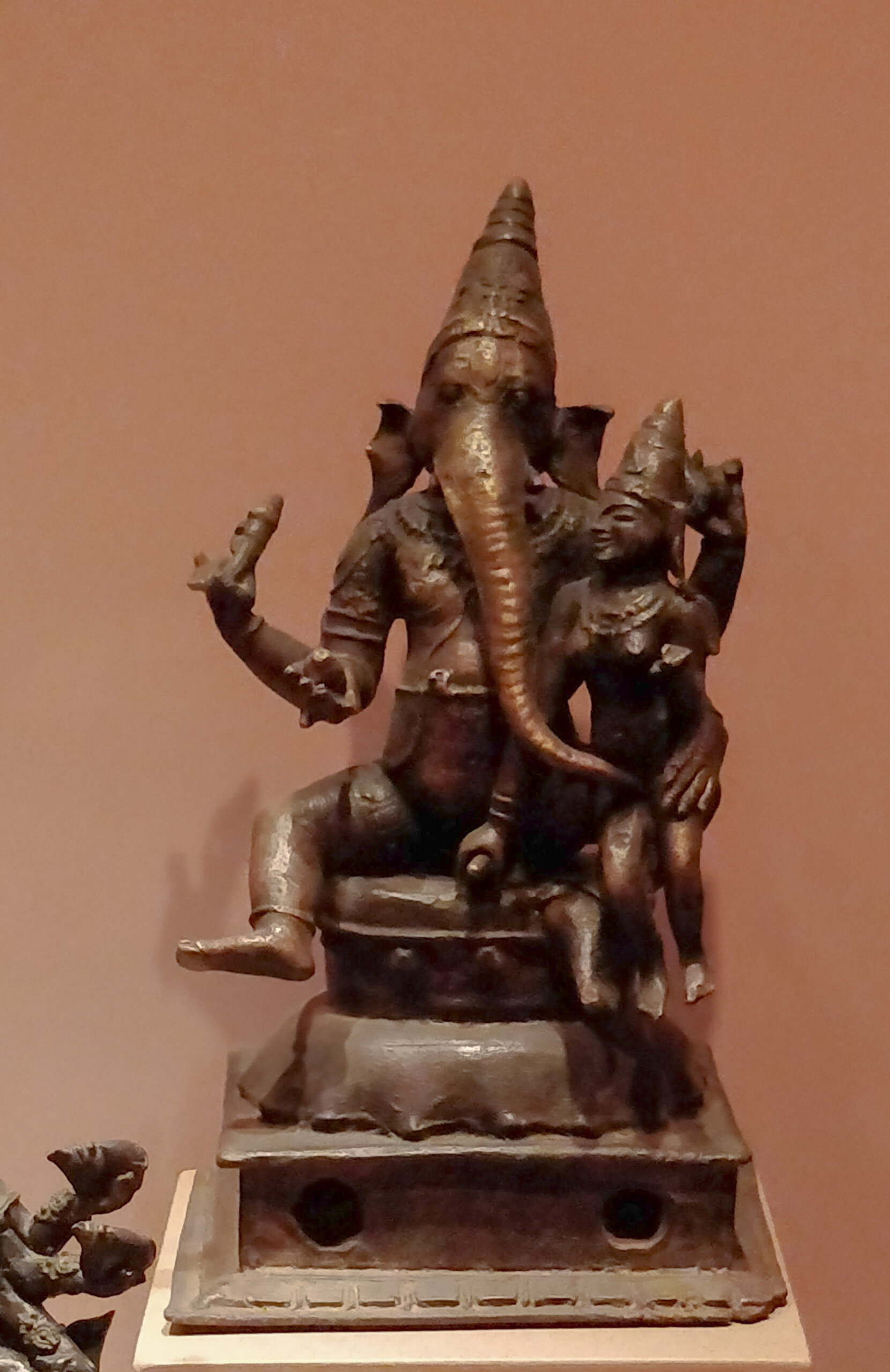
“KT, is that Ganesha?”
“Obviously. He’s got the elephant head. But wait, who’s that woman on his lap? And where is his trunk going?”
“I can see why this sculpture isn’t in India. If people saw their god up to wild things, they’d have a riot or two. Still, brilliant stuff!”
Back in Agios Gordios, we spent a few hours at the nearly-empty beach. KT picked up some beers and ciders from the mini-market. He even got a small discount from our newly christened cousin.
By 7 PM, we were walking up a hill to get to a restaurant named Sebastian’s Taverna. The rain had eased, but the climb was slippery.
“I’d like to toast to our last night in Corfu, and to the gods for blessing me with unbreakable ankles.”
“Wish Achilles could’ve made that toast”, I replied. “Ah, there’s our food!”
Our waiter, a man in his mid-fifties and with a spring in his step, placed ceramic serve-ware full of toasty, warm prawn saganaki and rice before us.
“Enjoy your meal”, he said with a smile. “Where are you from?”
“We’re from India. Are you from Corfu itself?” I asked.
“Yes. I was born here, and I’ve lived here all my life. This is my home.”
“Your home is beautiful. What is your name, sir?”
He told us his name—Steven. That’s my dad’s name, I told him. Our conversation took us across topics—his family, my work, our trip so far, his love for food, and the seas.
“We love the beach too, but we don’t have one where we live. So often, we go to coastal towns like Goa.”
“You have been to Goa?” He seemed quite ecstatic at this newfound knowledge. “One of my dear friends lives in Goa. I do not think you know her. She left Greece many years ago;now she runs a restaurant in Goa. I haven’t seen her in a long time.”
“Oh, what’s the restaurant called?”
“Thalassa, she has named it.”
“Steven, Thalassa is quite popular! And it’s so Greek! They do the traditional Greek plate-smashing thing, and they have fire dances, and their food is so good! Your friend must really miss her home.”
“That makes me so happy!” Steven replied, his voice weighed down with nostalgia. “I haven’t seen her in many years, but I spoke to her some years ago.”
“When I visit Goa again, I’ll be sure to find her and tell her that you said hi” I promised him.
“That would be nice. Tell her Steven said hello, and that he sends all his love. Efcharistó polý!”
“Guess that means we’ll have to go to Goa next”, KT said as he finished the last of the saganaki.
“If the universe wants us to be messengers, who are we to say no?”
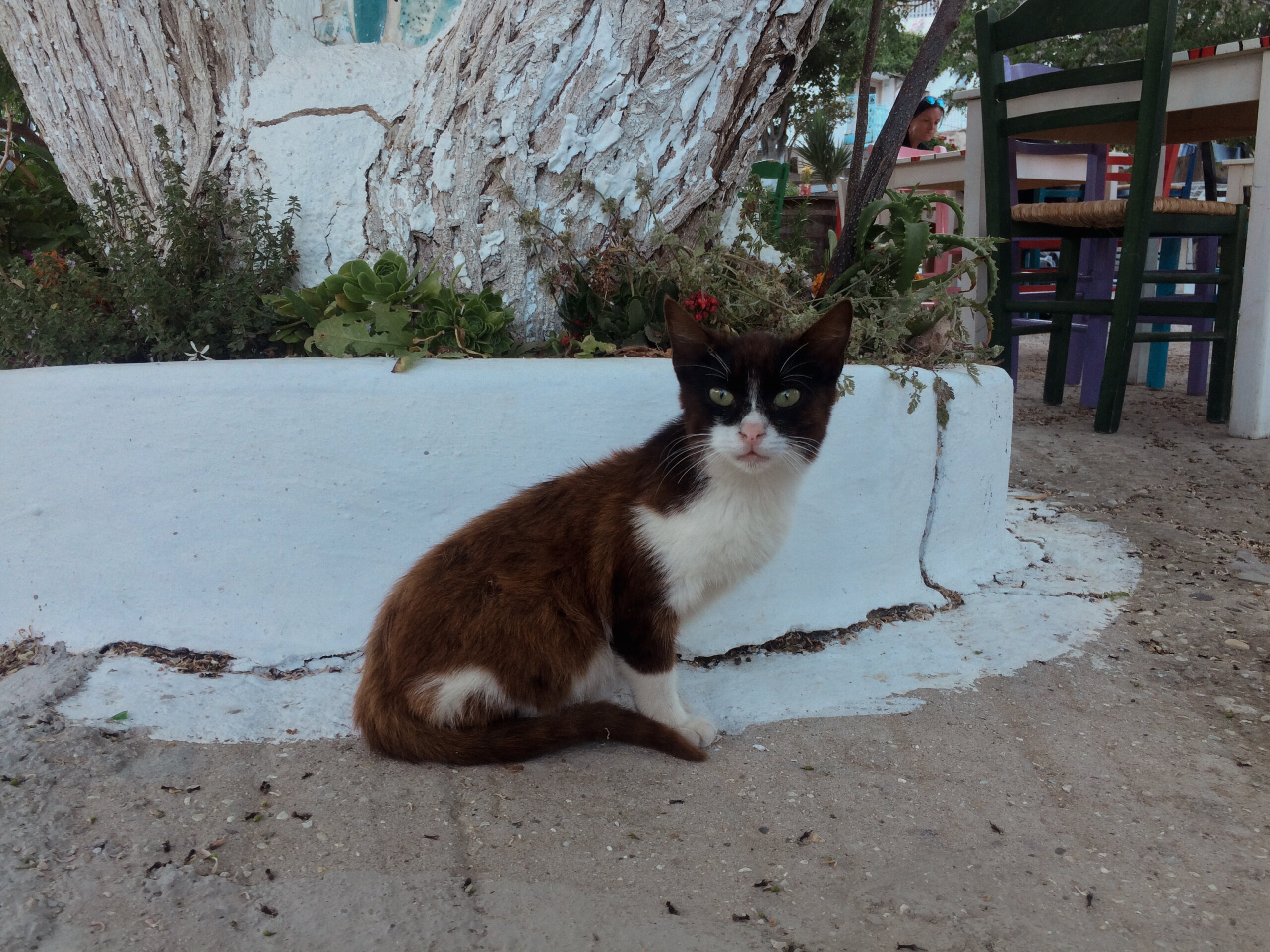
I never stopped wondering about how I never missed home. I called my parents every day. I showed them the pretty places as I said I would. I definitely missed my cats, so I gave all the cats I met in Greece chin rubs and treats. But the yearning for my comfort zone was faint and distant, if not non-existent. In a land thousands of miles away, I found bits and pieces of home. In a bartender’s travels in Kalamiotou. In a bread ring in Liossion. In a signboard’s lettering in Menandrou. In the warmth of a-euro-for-a-glass wine in Delphi. In a restaurateur’s choice of beer in Milos. In a kind man’s words in Agios Gordios. In a museum. In an old friendship in Corfu.
Perhaps, home is not a place. It’s a feeling—one that transcends borders. A fuzzy, comforting, safe space, untied to a physical location. The innate interconnectedness we share, no matter who we are, where we are from, and where we will go—that is home. At least I think so.